
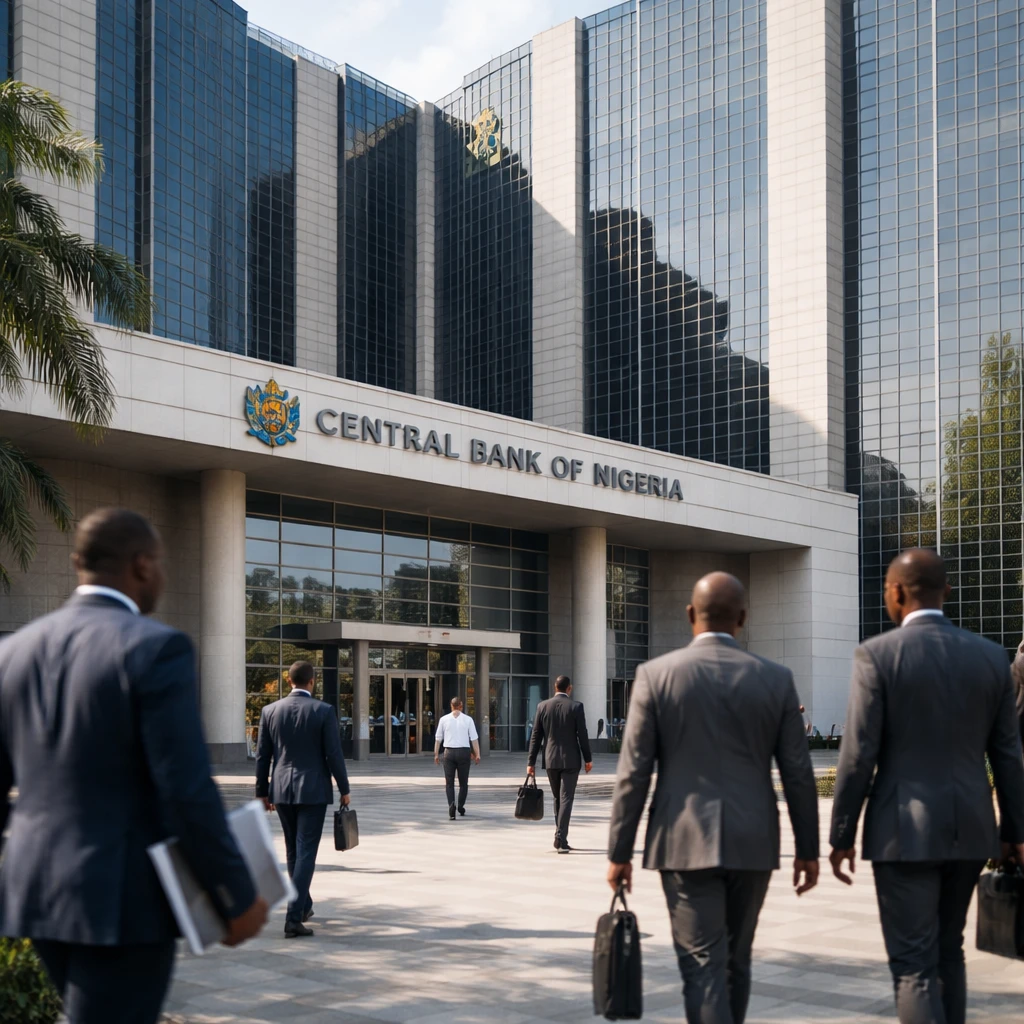
Nigeria's steady retreat in inflation has created space for potential interest-rate cuts, but outside shocks have clouded the outlook, Central Bank Governor Olayemi Cardoso said on Thursday, indicating that officials are not moving quickly to loosen policy.
Speaking at the BusinessDay conference in Lagos, Cardoso pointed to almost a year of falling inflation as evidence that the central bank's prior tightening was effective. "There were 11 months of continuous disinflation," he said, adding that this pattern had given rise to expectations that "over a period of time, we would expect interest rates to begin to moderate."
Despite that disinflationary run, Cardoso warned that recent geopolitical developments had interrupted the downward path for prices. He cited conflict involving Iran as one of the shocks that altered projections. "If not for the fact that we had this, we had projected that going into next year inflation would have been down to very moderate levels," he said.
Cardoso defended the central bank's decision to keep rates unchanged at its most recent meeting, pushing back against market hopes for an imminent policy pivot. "We didn’t cut, and believe me, we saw things that most other people didn’t see," he said, stressing that the Monetary Policy Committee will let data, not market sentiment, drive its choices.
He credited the early rollout of economic reforms with strengthening Nigeria's ability to absorb external disturbances. "One of the reasons for that is the fact that we had undertaken the reforms a lot earlier," Cardoso said. "We had resilience and we were able to withstand the shocks."
Investors have been watching for signals that the central bank is preparing to move into an easing cycle after months of moderating inflation. Cardoso's remarks, however, underscored a cautious stance among policymakers, suggesting that interest rates may stay higher for longer as officials weigh external pressures against the disinflation trend.
The Monetary Policy Committee is scheduled to meet on July 20-21 to review the data and set policy direction.
Key takeaways
- Nigeria has experienced 11 months of continuous disinflation, prompting discussion of future rate moderation.
- Geopolitical shocks, including conflict involving Iran, have disrupted inflation's downward trajectory.
- The central bank says it will follow data rather than market expectations when considering policy moves; the MPC meets July 20-21.
Impacted areas
- Financial markets and investor expectations, given their sensitivity to interest-rate outlooks.
- Monetary policy settings and macroeconomic planning, which depend on inflation trends and external developments.