
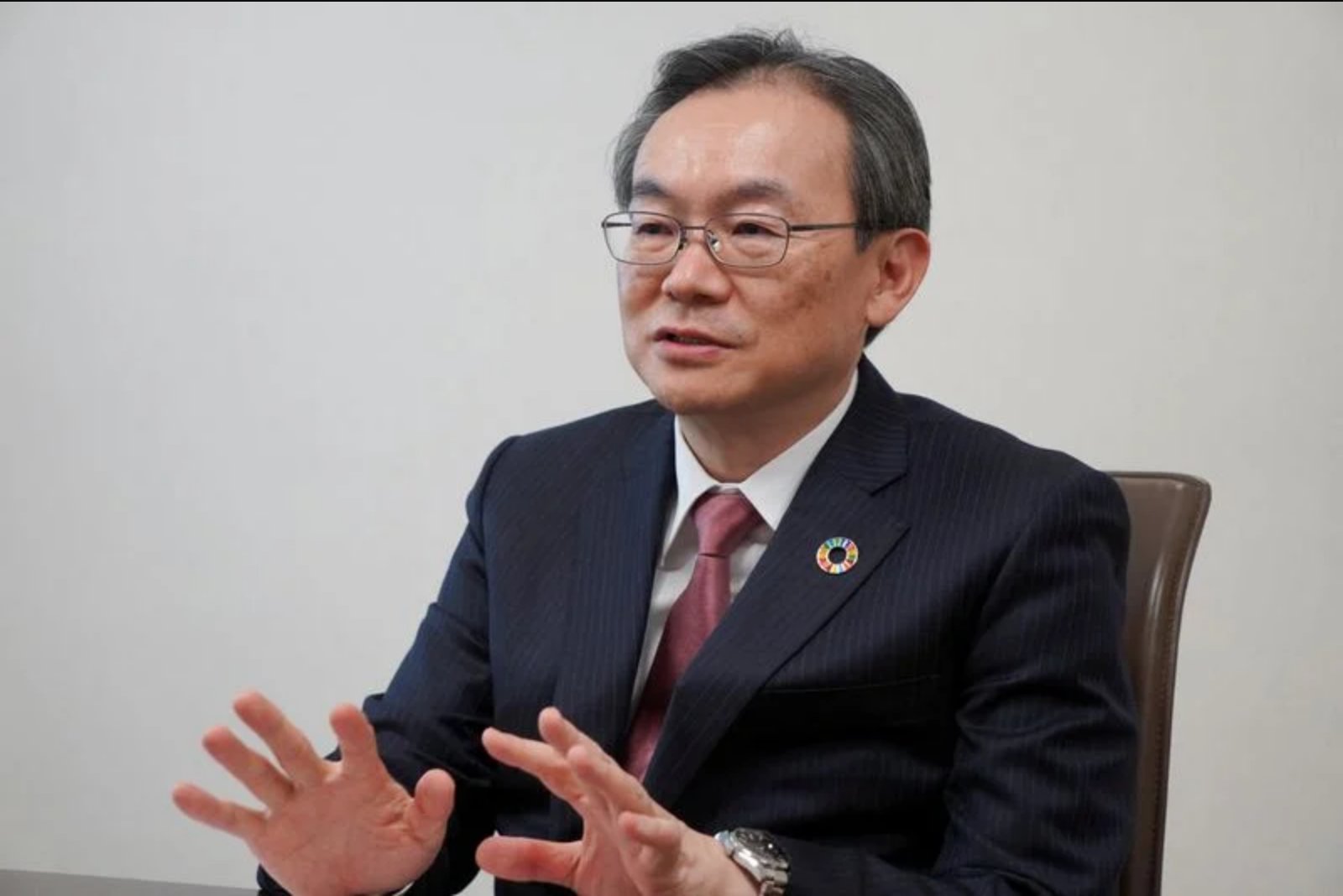
Junichi Hanzawa, chief executive of Mitsubishi UFJ Financial Group (MUFG) expressed deep concern that sustained inflation driven by a weaker yen could erode household purchasing power and weigh on Japan's economic momentum.
Speaking in an interview, Hanzawa said: "I’m extremely troubled by the prospect of a weakened yen leading to widespread, sustained inflation in Japan." He warned that if "price rises exceed real wages, that will hit consumption. This would be a minus to sustainable economic growth. That’s my greatest concern."
The potential for weaker consumption threatens to undermine Prime Minister Sanae Takaichi's efforts to revive the economy. The government's programme aims to boost investment in growth sectors and includes a temporary cut in consumption tax on food as part of its measures to support demand.
Banks have benefited from the end of deflation as loan demand for investment has increased. However, household incomes have not kept pace with prices: labour ministry data show employees' real wages were negative for the four years to the end of 2025.
Japan has long grappled with deflation following the collapse of its asset bubble in the early 1990s, a period that ushered in years of weak growth and stagnant wages. Policymakers have since been confronting the challenge of moving to a sustained inflation environment without undermining living standards.
The Bank of Japan raised interest rates to 1% in June, a 31-year high, yet that move did not stop the yen from weakening. The currency fell to a 40-year low, touching 162.66 yen against the dollar last week. Hanzawa declined to comment on the yen's current level.
Japan depends heavily on imports for most of its food and energy needs, making domestic prices sensitive to currency moves and global supply shocks. In Tokyo, annual core inflation in June was pushed up by disruptions to energy supplies linked to the U.S.-Israeli war on Iran, according to the reporting.
Prime Minister Takaichi is described as favouring low interest rates in support of an expansionary fiscal posture. Hanzawa emphasized the importance of preventing a deterioration in real incomes, saying: "I think it is extremely important to curb inflation so as to prevent negative real incomes."
The Bank of Japan has signalled it will continue raising rates, focusing on the risk that inflation could deviate upward from its 2% target. Hanzawa's comments underline the tension policymakers face between reining in inflation pressures and sustaining a recovery in consumption.
Summary
- MUFG CEO warns prolonged yen-driven inflation could weaken consumption and impede sustainable growth.
- Government measures to stimulate demand include investment in growth sectors and a temporary cut in consumption tax on food.
- Real wages were negative for four years to the end of 2025, while the BOJ lifted rates to 1% in June and the yen hit 162.66 per dollar.