
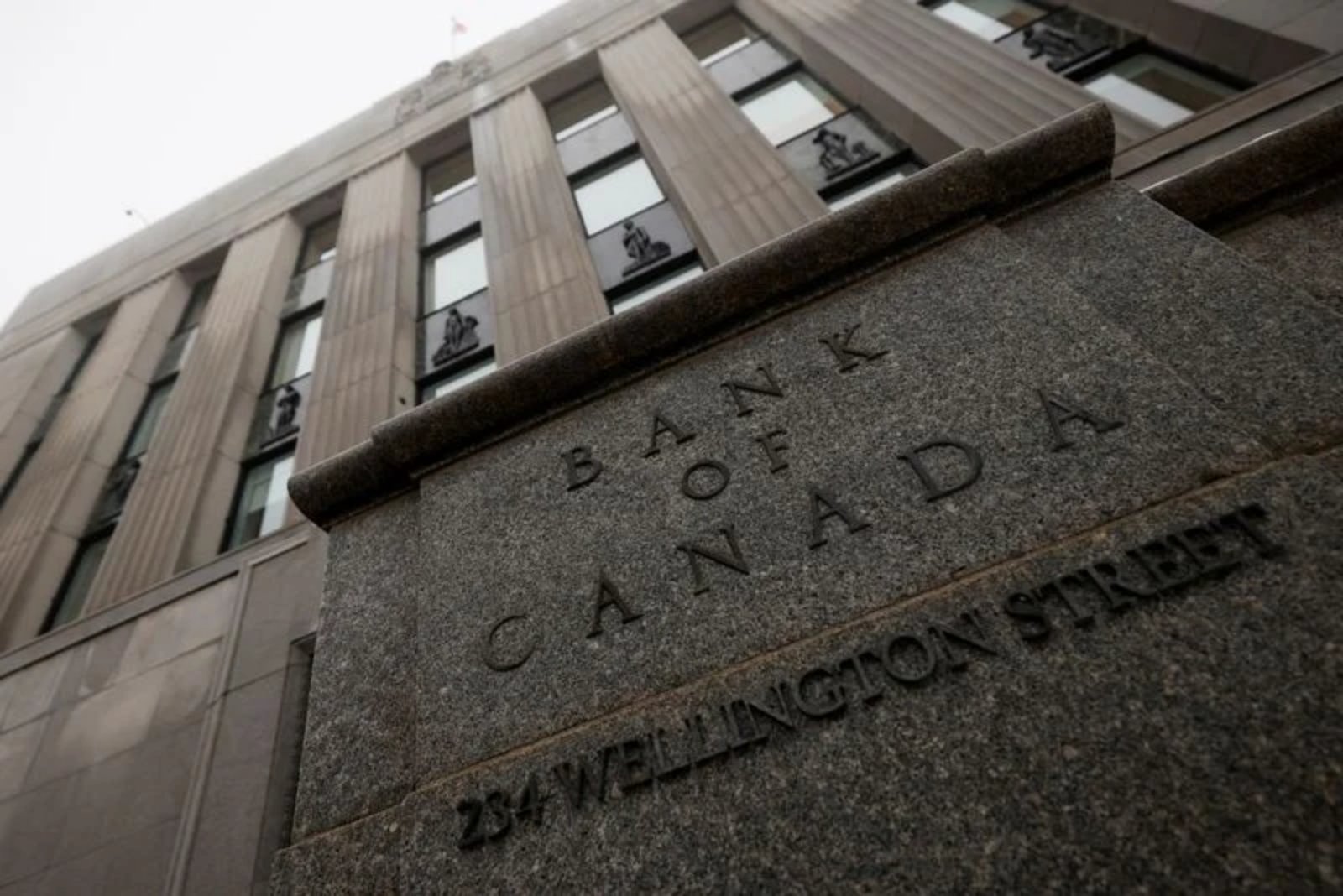
Canadian companies pared back expectations for elevated inflation in the wake of a ceasefire-linked interim agreement between the United States and Iran, according to a quarterly Bank of Canada survey released this week. The findings, backed by a follow-up poll of business leaders, also point to a retreat in some trade-related anxieties even as firms report weakness in sales outlooks and continue to operate with spare capacity.
The surveys come a little more than three weeks before the Bank of Canada's next interest rate decision and provide policymakers with timely private-sector readings on whether trade uncertainty is feeding through to inflation, employment and activity. Money markets and economists are expecting the Bank of Canada to keep its policy rate at 2.25% at least through the end of the year.
The primary business outlook survey was conducted in May, prior to the United States signing an interim agreement with Iran. In that May survey, respondents signalled concern that elevated gasoline costs were eroding demand and putting downward pressure on growth, sales and prices. A separate follow-up survey of business leaders conducted after the mid-June signing showed those concerns moderating.
"Inflation expectations have declined, with the lowest expectations of the quarter recorded in the period after the signing in mid-June of the interim agreement between the United States and Iran," the BoC said in its summary of results. The development reversed a trend of improving sentiment that had persisted for three consecutive quarters.
Despite the easing in inflation expectations, a larger share of firms are planning or budgeting for a recession in Canada over the next 12 months - 17% now versus 9% previously, the survey reported. The business outlook indicator, which measures prospects under current economic conditions, slipped to -0.39. That marks the first drop in three quarters, though the indicator remains well above the -2.41 reading recorded a year earlier.
Starting this quarter, the Bank of Canada is publishing two new indicators intended to clarify the nature of economic shocks. The activity indicator fell, largely reflecting a softer sales outlook, while the price indicator rose because firms expect both higher inflation and stronger growth in input and selling prices.
Trade-related caution persists. Firms said they were still exercising restraint because of uncertainty around U.S. tariffs and trade tensions, although the most severe scenarios feared last year have gradually dissipated - particularly in relation to exports. "Fewer said U.S. customers are holding back on orders because of uncertainty around changing trade policies," the survey noted.
Investment plans remained broadly unchanged from the prior quarter and stayed at a high level. The bulk of planned spending was tied to domestic demand and routine maintenance, the survey found. Meanwhile, employment intentions softened and a number of firms continued to report spare capacity in their operations.
How much is hesitation costing you? Every day you wait is a day the market moves without you. InvestingPro puts institutional-grade data and AI-powered insights in your hands - without the institutional price tag. Stop waiting. Start investing with confidence.