
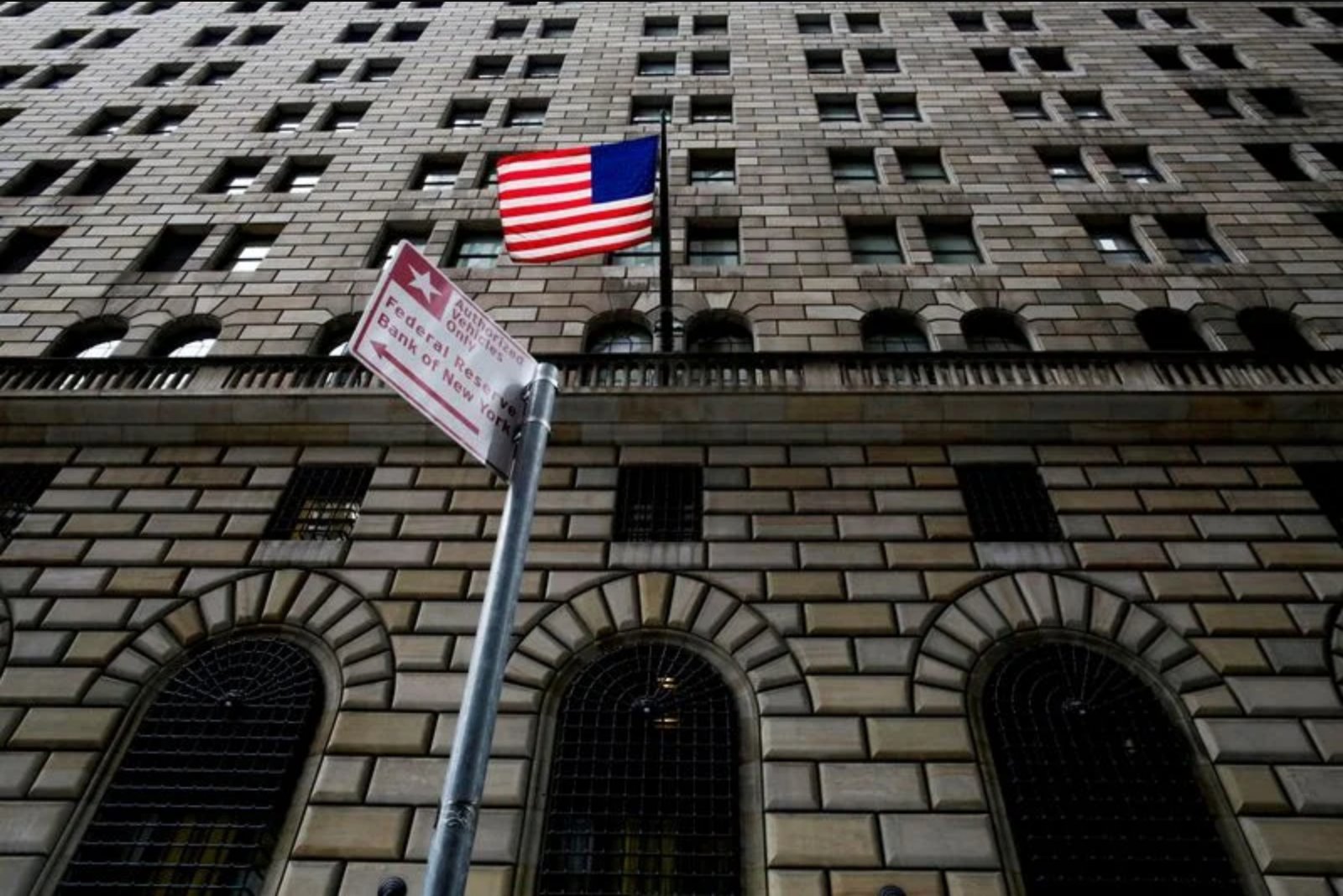
The Federal Reserve Bank of New York said on Monday that global supply-chain pressures eased in June, with its Global Supply Chain Pressure Index falling to 1.25 from an upwardly revised 1.81 in May. The bank noted the current reading is comparable to levels last observed in late 2022, when the global economy was still working through pandemic-related disruptions.
June's index remains slightly below the level recorded in December 2022 and is substantially lower than the 4.44 peak reached in December 2021. Those earlier highs reflected the severe dislocations that accompanied the COVID-19 pandemic and contributed to substantial upward pressure on inflation worldwide.
The New York Fed highlighted the recent jump in supply-chain stress tied to the war in the Middle East. That conflict sharply disrupted the movement of goods and energy through the Strait of Hormuz, bringing transit through that critical maritime passage to a near standstill and helping to push inflation even higher.
According to the bank, the conflict is now in a hazy process of being resolved, and some level of transit has returned to the waterway. That partial resumption of shipping has provided both economists and Federal Reserve officials with room to expect that inflation pressures will begin to ease over time.
In recent public remarks, New York Fed President John Williams cautioned about the risks to the price outlook from supply-chain problems, saying that "inflation is unquestionably elevated and well above" the 2% target.
Williams also expressed a conditional expectation for relief in price pressures, stating that, "assuming the supply disruptions owing to the closure of the Strait of Hormuz are resolved relatively soon, energy and related goods prices should stabilize, then start to come down later this year."
The New York Fed's June reading and Williams' commentary together underscore the link between geopolitical disruptions to maritime transit and near-term inflation dynamics. While the index's decline signals an improvement from the spike seen during the recent conflict, the bank's figures and officials' statements make clear that the supply-chain situation and its implications for prices remain sensitive to developments in the region.
Market participants and policymakers will likely continue to monitor shipping flows through the Strait of Hormuz and related supply-chain indicators for evidence that the easing in pressures is durable and that it translates into reduced inflationary momentum later in the year.