
Economy July 1, 2026 07:10 PM

Minnesota Closes Wrongful Conviction Review Unit Amid Federal Funding Dispute

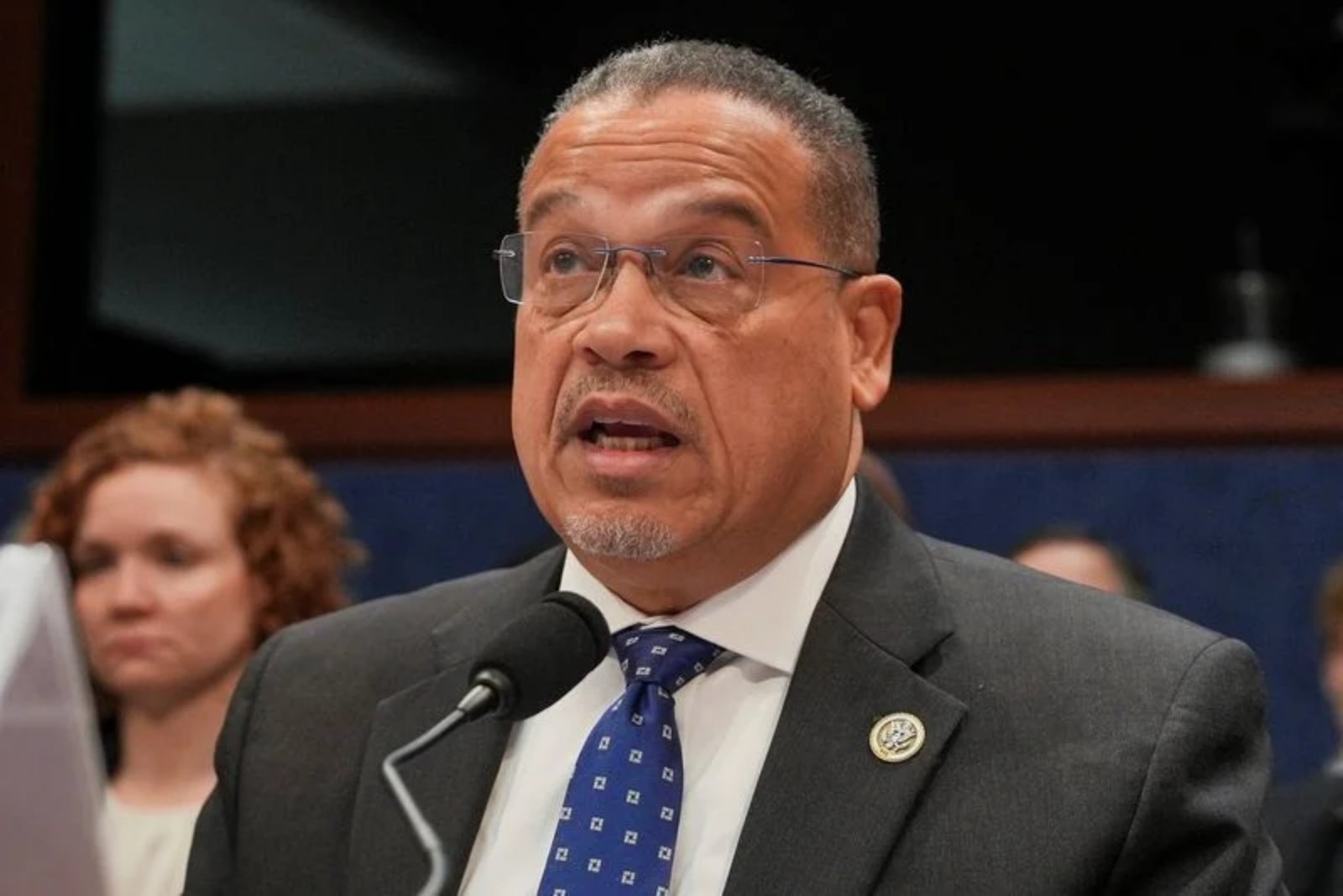
Attorney General Keith Ellison cites suspended grants from the Trump administration as the cause for shutting down the program, highlighting broader tensions over federal dollars.

By Priya Menon
Share
Twitter Reddit Facebook LinkedIn

Minnesota Attorney General Keith Ellison has officially suspended operations at the state’s Conviction Review Unit, citing the termination of essential federal grant funding by the Trump administration. The unit, established in 2020 to re-examine cases of potential wrongful convictions, operated on a patchwork of federal grants totaling $800,000 over four years. With the Department of Justice denying the renewal application, Ellison stated that current budgetary constraints make it impossible to absorb the costs without compromising other critical office functions. This move occurs within a wider context of federal funding freezes targeting Democratic-governed states, driven by policy disagreements over immigration enforcement, educational policies, and social initiatives.

Minnesota Closes Wrongful Conviction Review Unit Amid Federal Funding Dispute
Summarize with
ChatGPT Perplexity Claude Grok Gemini

Key Points

  • Minnesota Attorney General Keith Ellison suspended the Conviction Review Unit after the Trump administration denied a renewal for its federal grant funding, which totaled $800,000 over four years.
  • The unit, active since 2020, relied entirely on this federal support to review wrongful convictions, and Ellison stated that absorbing the costs would compromise other core legal responsibilities.
  • The funding cut is part of a broader strategy by the Trump administration to freeze federal dollars from Democratic-governed states over policy disputes involving immigration, education, and social initiatives.

Minnesota Attorney General Keith Ellison announced on Wednesday that his office is suspending the operations of its Conviction Review Unit. The unit was specifically tasked with examining cases of potential wrongful convictions. Ellison attributed this administrative decision directly to the suspension of federal grant funding by the Trump administration.

"Following the Trump Administration’s refusal to renew federal grant funding that supported the program, my Office is suspending our Conviction Review Unit," Ellison stated in a released official communication. He emphasized that the office is currently facing significant budgetary limitations. "Current budget constraints do not allow the program’s costs to be absorbed without compromising other core responsibilities," he added, indicating that maintaining the unit independently would divert essential resources from other mandated legal functions.

The Conviction Review Unit was established in 2020 and began accepting applications for case reviews in 2021. According to Ellison, the program was initially funded by a $300,000 federal grant covering its first two years of operation. Subsequently, the grant was renewed for an additional two-year period at a value of $500,000. However, the Trump administration’s Department of Justice recently denied the unit’s application for further financial renewal. Ellison confirmed this denial as the direct catalyst for the current suspension.

This administrative shutdown reflects a broader pattern of federal-state friction. President Donald Trump has explicitly targeted Democratic-governed Minnesota through various methods, including attempts to freeze federal funding. Concurrently, the administration has implemented a stringent immigration crackdown that involved the deployment of thousands of federal agents to conduct deportation operations. President Trump has defended these immigration measures, asserting they are necessary to improve domestic security and curb illegal immigration.

These enforcement actions have drawn sharp condemnation from rights groups. These organizations argue that the crackdowns violate free speech and due process rights. They contend that the operations have created an unsafe environment, particularly for ethnic minorities, who have raised serious concerns regarding racial profiling. The situation escalated earlier this year in Minnesota when federal agents shot and killed two U.S. citizens during a raid, an event that triggered large-scale public protests.

Beyond immigration, the Trump administration has attempted to freeze federal funding across various sectors. These freezes target universities, colleges, school districts, and other Democratic-governed states. The stated reasons for these funding suspensions include disagreements over transgender policies, climate initiatives, pro-Palestinian protests regarding the situation in Gaza, and various diversity initiatives. The Conviction Review Unit's funding dispute is part of this wider financial leveraging of federal resources against state policies.

Risks

  • The suspension of the Conviction Review Unit means that potential cases of wrongful convictions will no longer be actively reviewed by the state, creating an uncertainty in the justice administration and potentially leaving errors uncorrected.
  • The broader pattern of freezing federal funding for educational institutions and Democratic states introduces financial instability for these entities, which may struggle to maintain operations without external support.
  • The deployment of federal agents for immigration enforcement has already led to violent confrontations and public protests, suggesting that further escalation in federal-state tensions could destabilize local security and community relations.

More from Economy

U.S. Equities Retreat as Economic Indicators Flash Mixed Signals Across Sectors Jul 1, 2026 IMF Lowers Israel’s 2026 Growth Forecast to 3.5% Citing Regional Strains Jul 1, 2026 Treasury Unveils Investment Options, Names Default Fund for Trump Accounts Jul 1, 2026 USDA launches $500 million FIELDS program to grow domestic fertilizer production Jul 1, 2026 ECB rate pause likely in July as inflation cools, says Stournaras Jul 1, 2026