
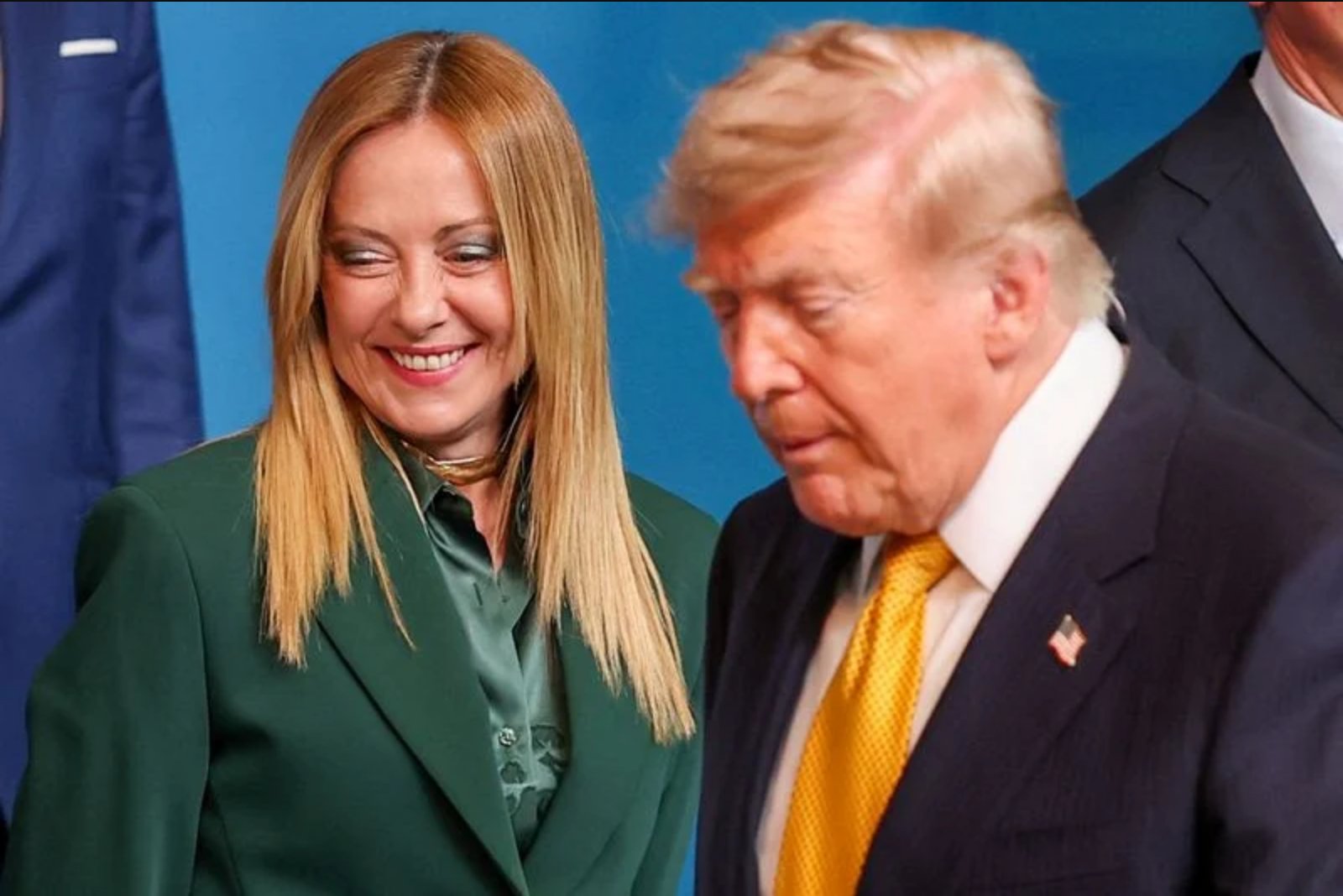
ANKARA, July 8 - Italian Prime Minister Giorgia Meloni said on Wednesday she had no regrets about her attempts to build a close relationship with U.S. President Donald Trump, even though the pair have publicly clashed in recent months.
Speaking at the end of a NATO summit that both she and Trump attended, Meloni was asked whether she had second thoughts about the political investment she made in the U.S. president. "No, I absolutely don’t regret anything I’ve done," she replied.
Meloni’s outreach to Trump has been notable given the strain in their interactions. Trump made his first public criticism of Meloni in April after she had rebuked him for his attack on Pope Leo, following the pontiff’s condemnation of the Iran war. Earlier, in March, Italy refused permission for U.S. military aircraft bound for the Middle East to land at the Sigonella air base in Sicily, a diplomatic decision that preceded the later public tensions.
The Italian leader has previously signaled the priority she places on transatlantic ties. She was the only European head of government to attend Trump's inauguration last year, a choice that she described as a deliberate political investment. When asked about a social media post by Trump on Sunday that showed her looking up at him with the caption "RESTRAINING ORDER NEEDED", Meloni declined to respond directly.
Explaining her reasoning, Meloni said she pursued an alignment with the United States as part of a broader belief in the unity of the West. "I made that political investment because I believe in the unity of the West. It’s not a strategy I adopted with Trump’s arrival, but one I have pursued with all my counterparts," she said.
Meloni acknowledged that relations with Trump had proceeded along the lines now visible to observers - "things are going the way we have seen" - but also highlighted areas of continuing agreement. She pointed to shared positions on immigration and a common opposition to what she described as "woke culture".
At the same NATO summit, Trump adopted a more conciliatory public tone toward Meloni, calling her "a nice person". At the same time, he reiterated criticism that she had not done enough to support his military attacks on Iran, actions he said are expected to resume. Those comments underlined persistent points of friction despite moments of cordiality during the gathering.
The encounter in Ankara therefore left relations marked by both personal amicability in some exchanges and clear policy disagreements in others, reflecting a relationship that remains active but contested.