
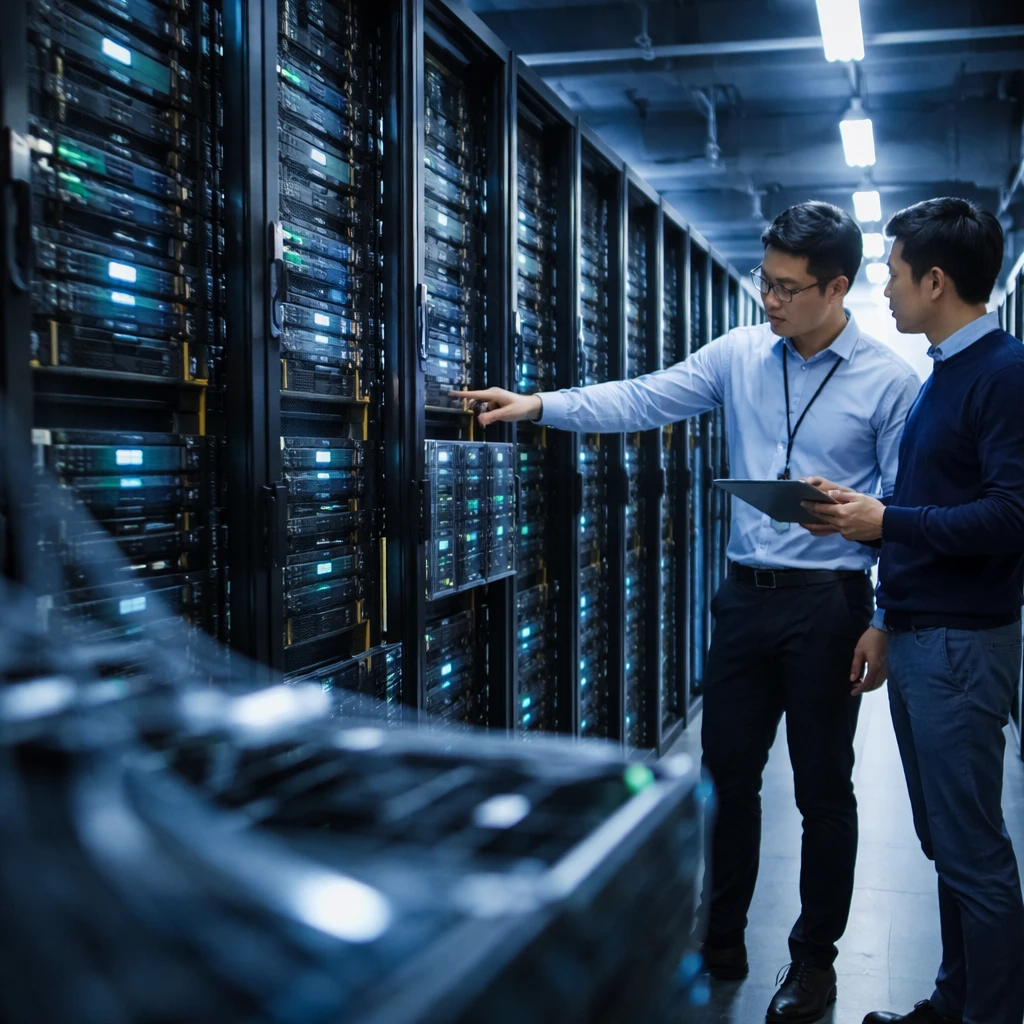
Shares of Nvidia ticked up roughly 1% after reports emerged that Beijing is ready to ease a local ban and allow selected Chinese AI firms to buy the company’s H200 accelerator chips. The shift in policy, conveyed to a set of major technology companies, signals a constrained opening for overseas high-end AI silicon in China.
Officials have reportedly told several leading players - including Alibaba, ByteDance, and DeepSeek - that they may receive conditional approval to import H200 hardware. The approvals are not open-ended. Sources indicate regulators will limit total authorizations to fewer than 200,000 H200 units, a figure that falls to less than half of the quantity these companies had sought earlier in the year.
Regulatory guidance also appears to include explicit usage constraints. The H200 accelerators would be earmarked exclusively for training complex machine learning models. For inference - the day-to-day running of already-trained models that serve end users - the government is directing companies to give precedence to domestic processors, including those made by local vendors such as Huawei.
For Nvidia, even a scaled and conditional reopening represents a notable commercial and symbolic gain. The company’s revenue presence in China had dwindled to near-zero amid earlier export limitations and regulatory frictions; access to H200 sales, albeit limited, restores at least some commercial avenue into the market.
From the Chinese technology sector’s perspective, the policy shift provides a targeted relief valve for an acute shortage of high-performance AI chips that has weighed on model development and related initiatives. That said, the cap on approved units and the training-only condition mean the relief will be partial rather than comprehensive.
Market context and affected sectors
- Semiconductor suppliers of high-performance accelerators will see direct commercial relevance from the approvals.
- Cloud and AI service providers in China stand to benefit for training workloads but remain directed toward domestic processors for inference.
- Domestic chipmakers gain a regulatory preference in inference tasks, reinforcing in-country processor demand.
Bottom line
The reported regulatory relaxation is narrowly tailored: it permits some imports of premium foreign AI silicon for training, caps total units well below what companies requested, and preserves a protective tilt toward domestic processors for inference. The change reduces immediate supply pressure for training capacity but leaves broader questions about scale and long-term commercial access unresolved.