
Economy July 9, 2026 06:19 AM

Kremlin Calls U.S. View on Deep Ukrainian Strikes a Misconception

Moscow warns a no-fly zone would amount to NATO operating in Ukraine; Kremlin reacts to comments on strikes and Patriot production

By Derek Hwang
Share
Twitter Reddit Facebook LinkedIn

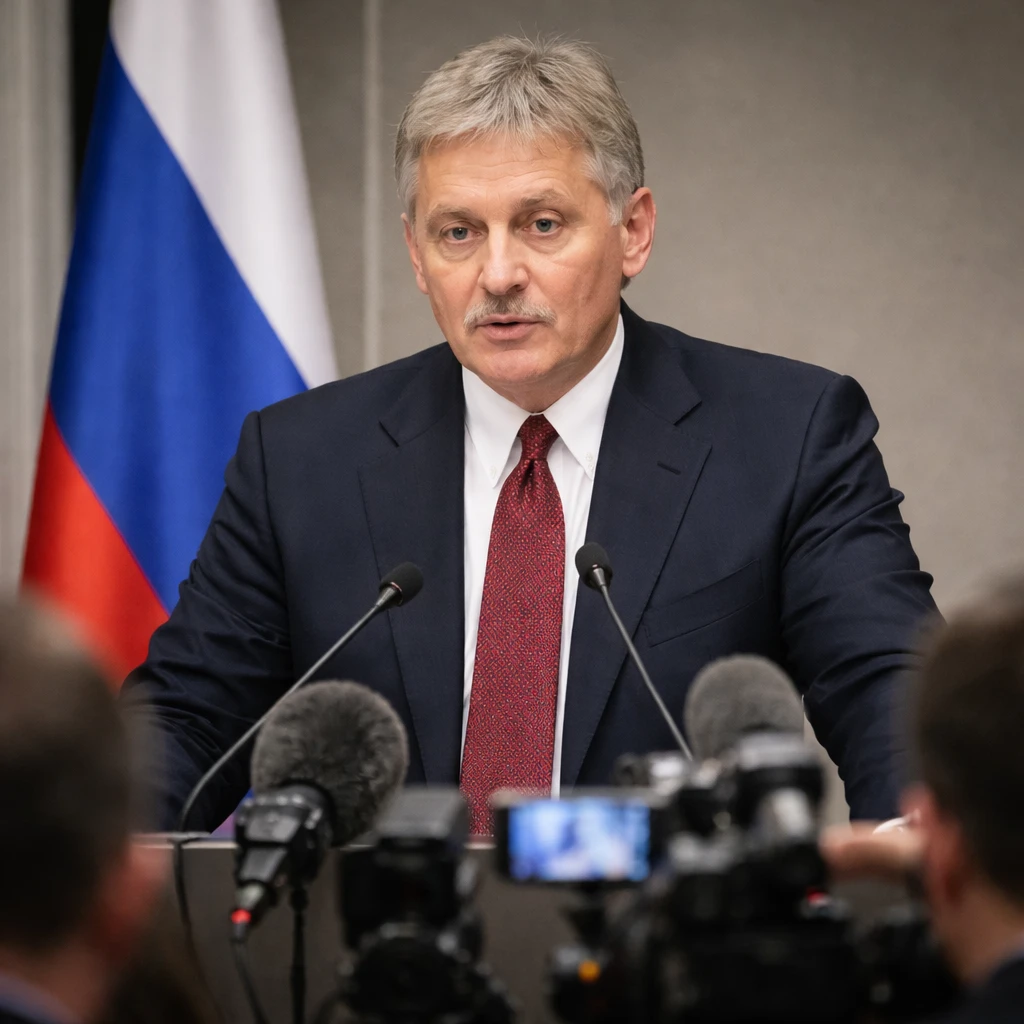
Kremlin spokesman Dmitry Peskov said the United States is mistaken to believe that deep Ukrainian strikes into Russian territory would help end the war. His remarks followed U.S. comments endorsing attacks on Russian refineries and included a warning that establishing a no-fly zone would effectively mean NATO forces operating in Ukraine. Peskov also said news that Ukraine had a U.S. license to produce Patriot missiles was new to Moscow and reiterated Russia's sober view of U.S. weapons supplies.

Kremlin Calls U.S. View on Deep Ukrainian Strikes a Misconception
Summarize with
ChatGPT Perplexity Claude Grok Gemini

Key Points

  • Kremlin spokesman Dmitry Peskov said the U.S. view that deep Ukrainian strikes into Russian territory could help end the war is a misconception - impacts defense and diplomatic sectors.
  • Peskov warned that establishing a no-fly zone would equate to NATO operating in Ukraine, a scenario Moscow says it aims to prevent - relevant to geopolitics and defense markets.
  • Peskov said information that Ukraine had a U.S. license to produce Patriot missiles was new to Moscow and stressed Russia's cautious perspective on U.S. weapons supplies - affecting defense procurement and arms supply considerations.

Kremlin spokesman Dmitry Peskov told reporters on Thursday that Moscow regards the U.S. belief that deep Ukrainian strikes into Russian territory could hasten an end to the conflict as incorrect. Peskov framed this stance as a misconception on the part of the White House, commenting directly after U.S. remarks suggesting that strikes on Russian refineries might assist in bringing the war to a close.

Peskov said that the deployment of a no-fly zone over Ukraine would amount to NATO operating inside the country - an outcome he said runs counter to the objective of Russia's military operation. That characterization links any formal no-fly enforcement to direct NATO involvement, according to the Kremlin spokesman.

Addressing what he described as a certain dualism in the American position, Peskov noted that Washington sometimes errs, yet continues to voice support for finding a peaceful solution. He presented that tension as part of the U.S. posture toward the conflict without expanding on how Moscow expects that posture to change.

On the question of a U.S. license permitting Ukraine to produce Patriot missiles, Peskov said the information was new to Moscow. He added that Russia does not look at U.S. weapons supplies to Ukraine through "rose-tinted glasses," signaling a cautious or skeptical stance toward the implications of further American support.

Peskov concluded by saying that President Vladimir Putin and U.S. President Donald Trump maintain a constructive dialogue despite holding some disagreements. He did not provide additional detail on the content or timing of those discussions in his remarks to reporters.


Contextual notes

  • The Kremlin spokesman's comments responded to prior U.S. statements endorsing the idea that Ukrainian strikes on Russian infrastructure, including refineries, could help end the war.
  • Peskov explicitly linked a no-fly zone to NATO operational activity within Ukraine.
  • He described the news of a U.S. license for Ukraine to produce Patriot missiles as unexpected for Moscow and emphasized Russia's skeptical view of U.S. weapons shipments.

Risks

  • Potential for NATO involvement if a no-fly zone is established, as highlighted by the Kremlin - risk to geopolitical stability and defense sector exposure.
  • Uncertainty surrounding U.S. weapons supplies to Ukraine, underscored by Moscow's reaction to the reported Patriot production license - risk to defense planning and regional security calculations.
  • Inconsistent or dual messaging from Washington, noted by Peskov, which could increase unpredictability in diplomatic and military responses - risk to market and policy confidence in sectors tied to the conflict.

More from Economy

BofA Anticipates 25bp Bank of Korea Hike Amid Inflation and FX Pressure Jul 9, 2026 Wall Street Futures Tick Up as Oil Pulls Back and Middle East Tensions Flare Jul 9, 2026 Qatar Urges Diplomacy as U.S.-Iran Hostilities Escalate Jul 9, 2026 HSBC trims 2026-27 gold forecasts, cites firmer Fed outlook and stronger dollar Jul 9, 2026 Markets Steady as New U.S.-Iran Strikes Ripple Through Oil, Stocks; PepsiCo Reports Jul 9, 2026