
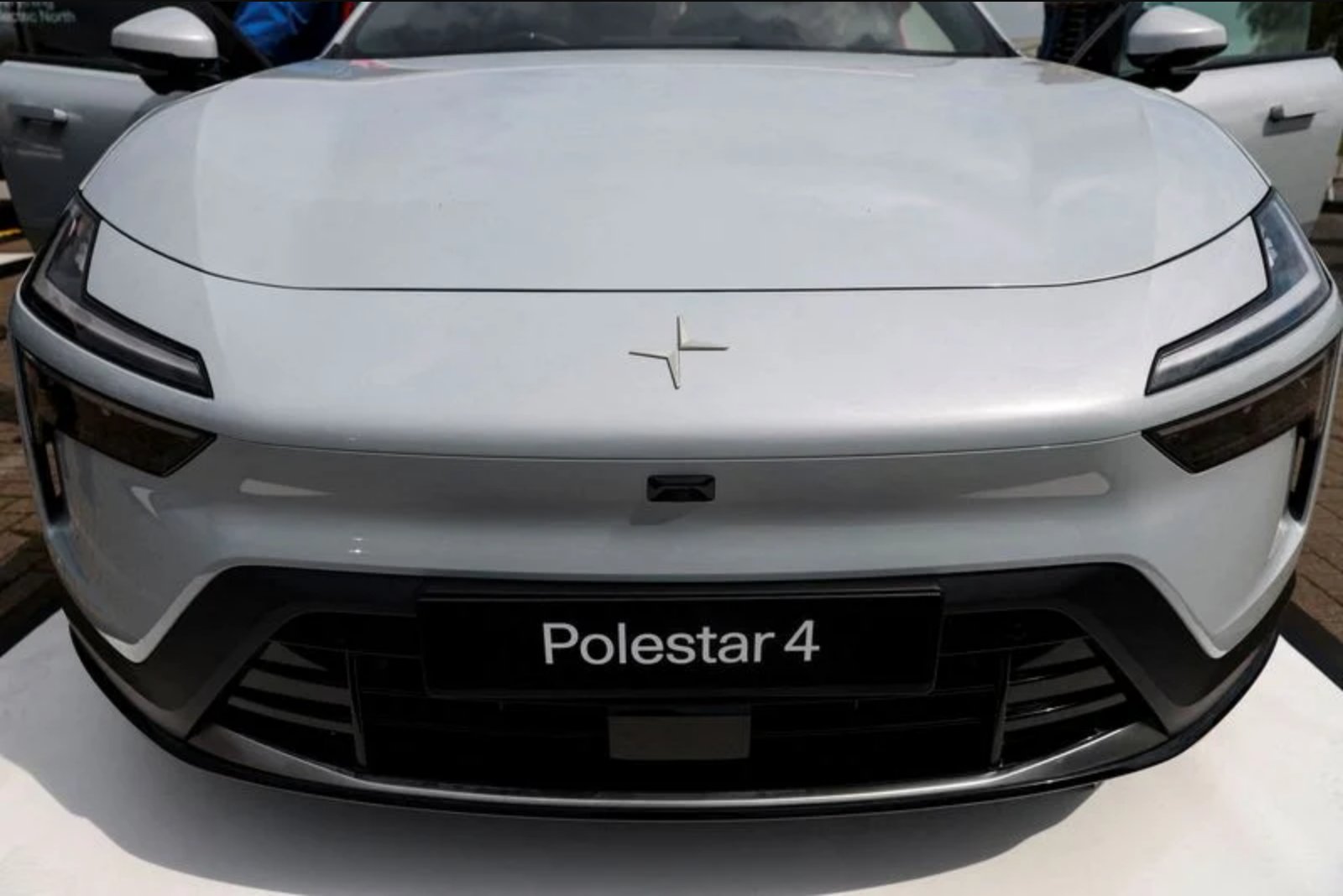
Summary: Polestar reported a quarter-on-quarter sales volume decline and faces a U.S. market ban beginning with the 2027 model year after the U.S. Commerce Department denied it authorization under the Connected Vehicles Rule. The restriction has prompted the EV maker to shift emphasis toward Europe, which made up 80% of its sales in the first half of the year, and has intensified doubts about the future of its only U.S.-manufactured model, the Polestar 3.
Sweden-based Polestar said on Thursday that second-quarter deliveries fell 4% to 17,296 vehicles, down from 18,026 in the same period a year earlier. The company faces additional headwinds after the Commerce Department in June declined to grant Polestar authorization under rules that limit cars with connected-vehicle technology tied to China. The decision curtails Polestar’s ability to operate in the U.S. market from the 2027 model year onwards.
The restriction contrasts with the treatment of a related brand. Volvo Cars, a sister marque, received special authorization a month earlier, while Polestar - majority-owned by China’s Geely Holding - did not. Polestar has said it will continue to sell through existing Polestar 3 and Polestar 4 inventory in the U.S., retain access to its U.S. service network, and continue to trade in pre-owned vehicles there.
Beyond immediate sales impacts, the ban raises explicit questions about production plans for the Polestar 3, which is the company’s sole model manufactured in the United States. The shortfall in U.S. authorization comes at a time when the company is already contending with tariff-related costs and pricing pressure that weighed on profitability earlier in the year.
Polestar has adjusted its commercial focus in response to uncertain global EV demand, prioritizing Europe where the company reported that 80% of its sales occurred in the first half of the year. Management has chosen to refresh existing models rather than introduce wholly new platforms amid tariff pressures. In February the company announced refreshed versions of its top-selling Polestar 2 and Polestar 4 due to roll out over the next year.
Operational results earlier in the year reflected these pressures: in May Polestar reported a wider first-quarter loss, attributing it to pricing headwinds and U.S. tariffs that offset stronger sales volumes. The company also flagged product milestones: "The first customer deliveries of Polestar 5 are set to start and production of the Polestar 4 SUV has started, with first deliveries expected during the fourth quarter," Polestar CEO Michael Lohscheller said.
Industry peers are also feeling pressure. Earlier on the same day, Porsche reported a decline in first-half deliveries and pointed to market weakness in China and the expiration of U.S. tax credits for EVs as contributing factors. For Polestar, the mix of regulatory restrictions, tariff impacts and uneven global demand is sharpening both near-term revenue risks and questions about production strategy for U.S.-sourced models.
Key points
- Second-quarter volumes fell 4% to 17,296 vehicles compared with 18,026 a year earlier.
- The U.S. Commerce Department denied Polestar authorization under the Connected Vehicles Rule, barring the company from U.S. sales from the 2027 model year; Europe accounted for 80% of H1 sales.
- Polestar will continue to sell existing Polestar 3 and Polestar 4 inventory in the U.S., keep service access and sell used cars while production plans for the U.S.-made Polestar 3 remain in question.
Risks and uncertainties
- Regulatory risk: The U.S. ban limits future access to a major market and directly threatens the economics of the U.S.-manufactured Polestar 3 - impacting automotive manufacturing and export flows.
- Profitability pressures: Tariffs and pricing competition have already widened losses, indicating continued margin strain in the automotive and specialty finance sectors that support vehicle sales.
- Demand uncertainty: Weakness in global EV demand, including noted pressure in China and the end of U.S. EV tax credits, may continue to depress deliveries across the auto sector.