
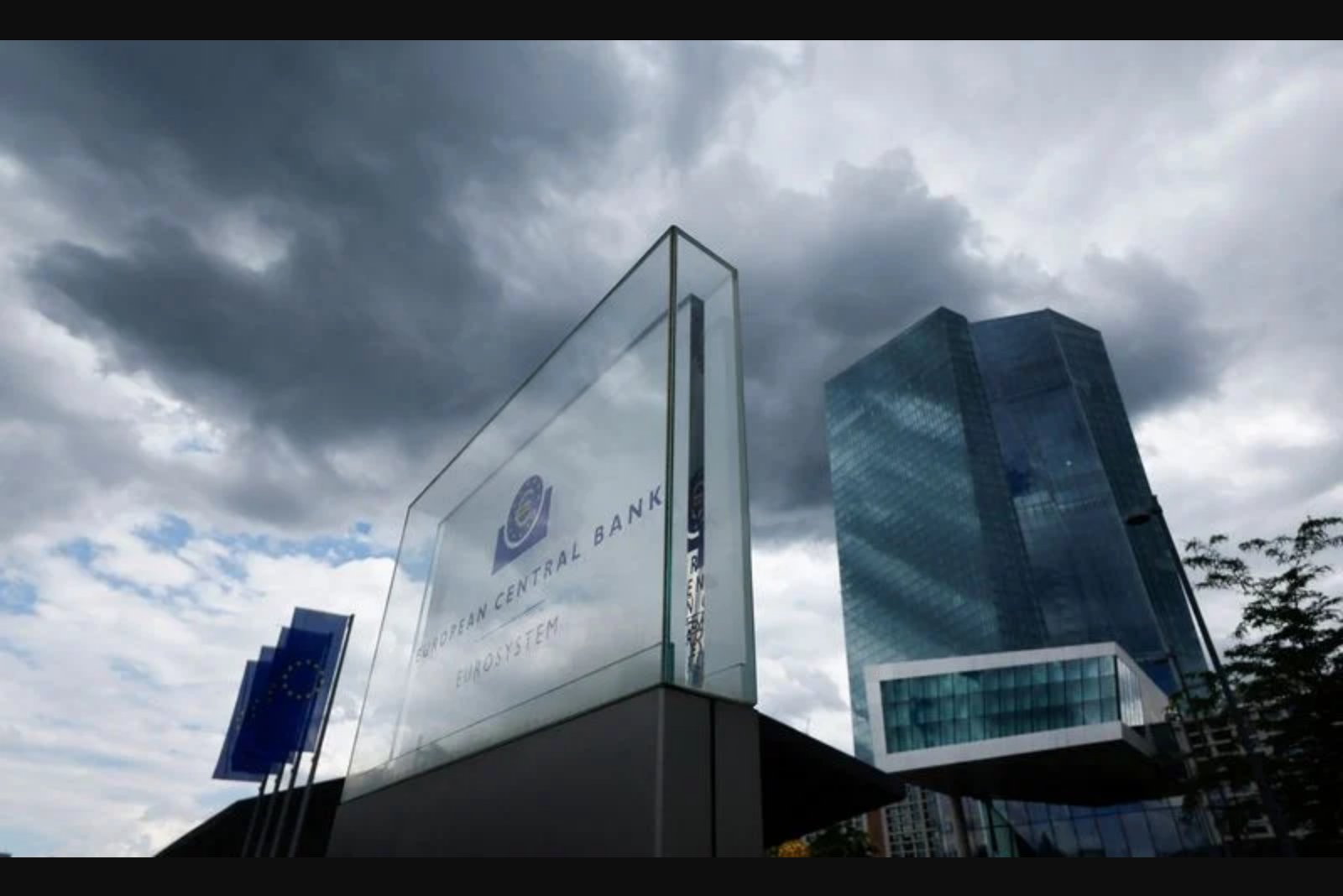
LONDON, June 11 - The European Central Bank raised interest rates on Thursday in a move aimed at containing growing inflationary pressures before an escalation in energy prices linked to the Iran conflict spreads more widely through the euro zone economy. With inflation across the 21-country currency area already above 3% - comfortably higher than the ECB's 2% target - officials acted against a backdrop of very weak economic growth that has economists divided on the merits of further tightening.
Markets responded with relatively muted shifts. The euro traded narrowly lower on the day at $1.1536, a level little different from where it stood before the central bank announced its decision. Short-dated euro zone bond yields, which are most sensitive to changes in monetary policy expectations, inched higher as bond prices fell modestly. Two-year German bond yields were recorded down half a point at 2.7%, although that reading was slightly higher than an earlier intra-day level of around 2.678%.
Equities showed some retracement after an initial lift. The STOXX 600 finished the session up 0.4%, having been nearly 1% stronger prior to the ECB decision.
Market and analyst reactions
Industry and market analysts underscored how future moves will hinge on geopolitical developments and the persistence of inflation.
"Markets are already pricing in a further rate hike at the ECB’s September meeting, but whether that materialises will depend heavily on developments in the Middle East and whether, and when, a meaningful resolution can be achieved. If a resolution is not met soon, we can expect higher energy costs to persist and broader inflationary pressures to mount, meaning policymakers may be forced to act again. The attention will now shift to whether the other major central banks will follow the ECB’s lead, but for now that looks unlikely." - Richard Carter, Head of Fixed Interest Research, Quilter Cheviot, London
"I think the key thing is the ECB still has inflation at target in 2028, so they’re forecasting 2% for that. In terms of core inflation at the margin, it’s slightly stickier and more persistent than we had pencilled in. So we had expected them to have 2.5%, 2.4%, and 2.1%. Instead, they have 2.5%, 2.5%, and 2.2%. So maybe a slightly stronger persistence in underlying inflation pressures due to the Iran war." - Andrzej Szczepaniak, Senior European Economist, Nomura, London
"New staff projections are revised to the hawkish side compared to our expectations. Inflation is revised slightly higher than we anticipated and growth is not revised down as much. Hawkish staff projections, but markets more driven by Trump." - Kirstine Kundby-Nielsen, FX and Fixed Income Research, Danske Bank, Copenhagen
Outlook and context
The ECB's rate rise reflects concern that energy price shocks tied to geopolitical tensions could amplify inflation pressures. Policymakers have incorporated slightly hawkish staff projections that nudge inflation estimates higher and trim growth downgrades less than some analysts expected. These adjustments, together with the persistence of core inflation in staff forecasts, help explain the bank's decision to tighten policy.
How markets and other central banks respond in the weeks ahead will depend heavily on developments in the Middle East and on whether inflation trends prove more persistent than projected. For now, markets appear to be pricing in another possible increase later in the year, with attention turning to future data and geopolitical events that could alter that path.