
The U.S. Energy Information Administration (EIA) reported on Wednesday that American natural gas markets are on track to set new production and consumption records in 2026 and 2027, according to its Short-Term Energy Outlook released today.
Production and consumption forecasts
The EIA projected that dry natural gas production - which reached a record level in 2025 - will climb from 107.6 billion cubic feet per day (bcfd) in 2025 to 111.7 bcfd in 2026 and further to 115.9 bcfd in 2027. Domestic gas consumption is also expected to trend higher, rising from a record 91.9 bcfd in 2025 to 92.2 bcfd in 2026 and to 94.3 bcfd in 2027.
The agency noted that its September outlook raised the 2026 estimates relative to its August projections. In August the EIA had forecast 2026 dry gas production at 111.2 bcfd and domestic demand at 92.0 bcfd; the September update increases both figures.
LNG exports and inventories
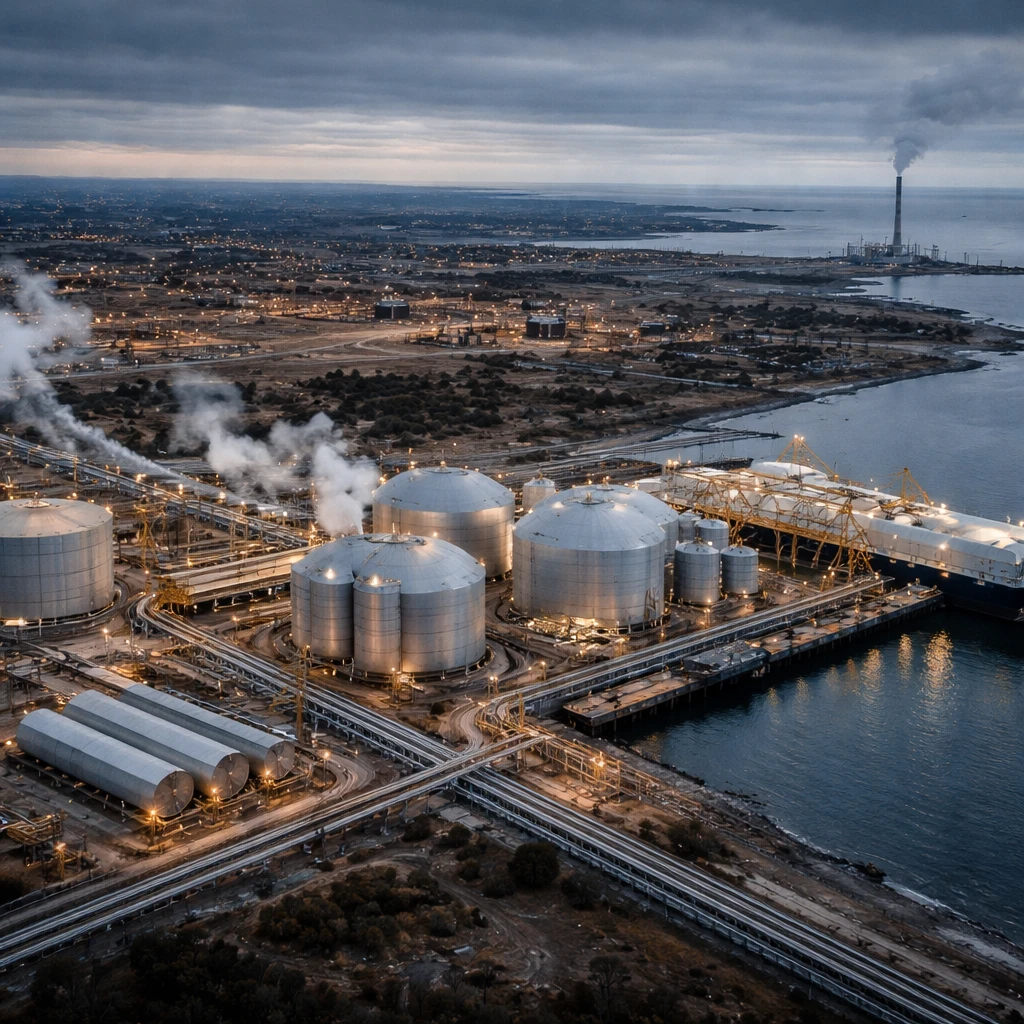
Average U.S. liquefied natural gas (LNG) exports are expected to rise from a record 15.1 bcfd in 2025 to 17.4 bcfd in 2026 and to 18.6 bcfd in 2027, the EIA said. The outlook also indicates that gas inventories are likely to be in a stronger position heading into winter. On Oct. 31, U.S. gas stocks were projected to be about 5% above the five-year average, a position the EIA attributes in part to increased production from the Permian and Haynesville shale regions.
Coal, emissions and power sector trends
The report forecasts a decline in U.S. coal production after a two-year high in 2025. Coal output is projected to fall from 528.4 million short tons in 2025 to 516.3 million tons in 2026 and to 496.7 million tons in 2027 - the latter being the lowest level since 1963, according to the projection. The EIA tied the anticipated decline to reduced coal burn by power generators in coming years.
Reflecting those shifts in fuel use, carbon dioxide emissions from fossil fuels are forecast to ease from 4.904 billion metric tons in 2025 to 4.821 billion tons in 2026 and to 4.816 billion tons in 2027 as oil and coal consumption decrease.
These projections underscore concurrent trends in U.S. energy markets: rising natural gas supply and demand driven by production growth and stronger LNG shipments, alongside lower coal production and modest declines in fossil-fuel emissions.