
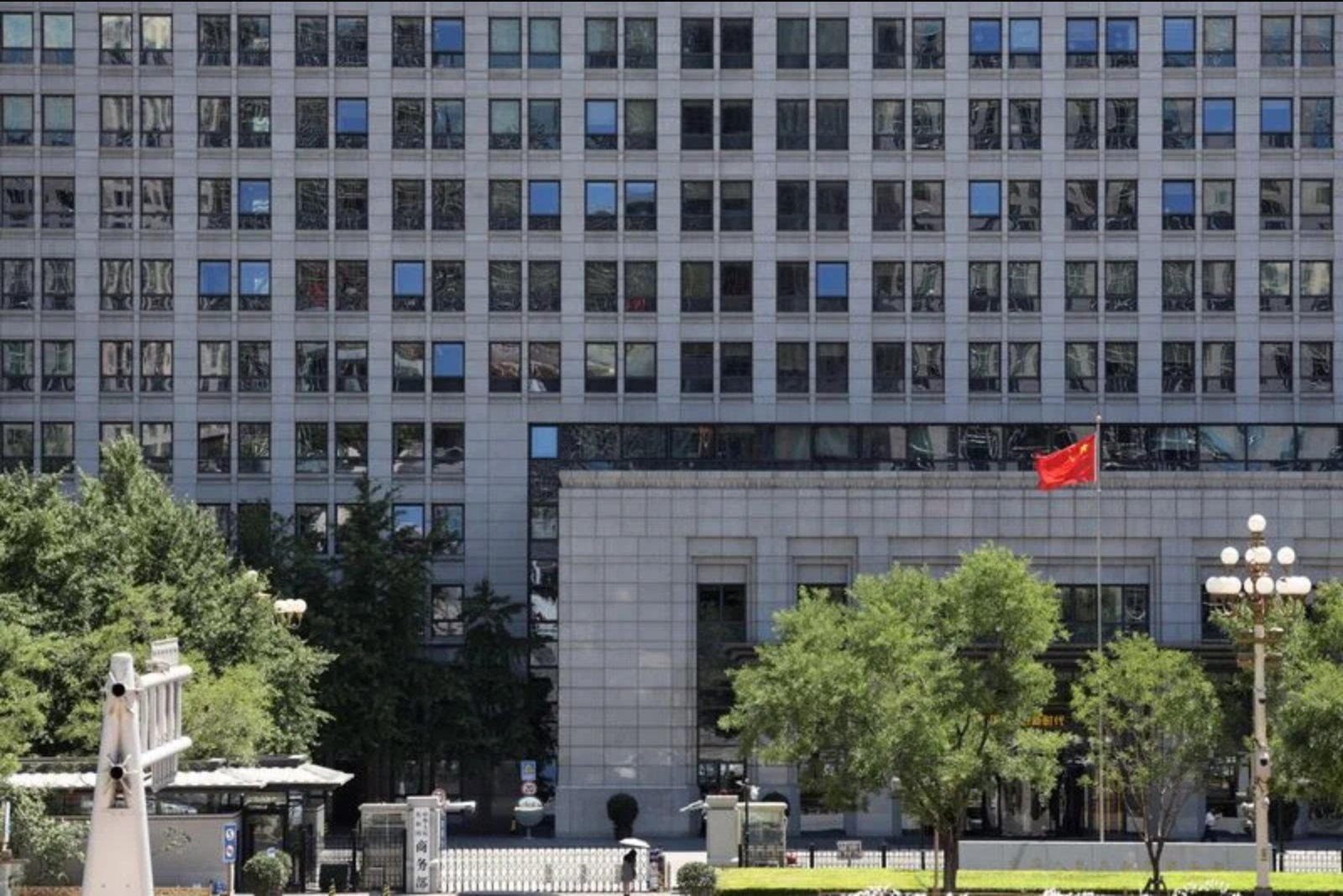
Beijing has intensified its economic response to recent U.S. sanctions by implementing strict export controls targeting 10 American entities, many of which are linked to the defense sector. Among the newly restricted companies are Aveox, a manufacturer of specialized motors for mission-critical applications, and major rare earth producers MP Materials and USA Rare Earth. The Commerce Ministry of China announced these measures on Monday, stating they are a direct response to what it characterized as malicious practices by the U.S. government.
The export control list prohibits Chinese exporters from selling dual-use items to the designated U.S. companies. According to the Ministry of Commerce, these actions are necessary to safeguard national security and interests while fulfilling international obligations related to non-proliferation. The ministry issued a directive requiring all ongoing export activities with the listed firms to be halted immediately.
In a complementary move, China’s finance ministry announced restrictions against 46 additional U.S. companies. Chinese buyers are now barred from procuring any products manufactured by these entities. However, the directive includes an exception for U.S.-funded enterprises operating within China, allowing them to continue their procurement activities.
This escalation follows actions taken by the United States just two weeks ago. Washington added several major Chinese firms to its list of companies believed to be aiding Beijing’s military efforts. The U.S. entities previously targeted include e-commerce giant Alibaba, internet search provider Baidu, and automakers BYD and NIO.
The addition of rare earth producers to China’s export control list carries significant implications for global supply chains, particularly in the technology and defense sectors. Rare earth elements are critical components in the production of high-tech devices, electric vehicles, and military hardware. Restricting access to these materials could disrupt manufacturing processes for companies reliant on Chinese supply.
The measures against 46 U.S. companies further widen the scope of economic friction between the two nations. While the exemption for U.S.-funded enterprises operating in China provides some continuity, the broader ban on procurement could force multinational corporations to reassess their sourcing strategies and operational footprints in the region.
The ongoing tit-for-tat sanctions highlight the deepening divide in technology and trade policies. For investors and businesses, the situation presents both risks and uncertainties. The immediate halt of export activities and procurement bans could lead to short-term supply chain disruptions. Long-term, the restrictions may accelerate efforts by both nations to develop domestic alternatives and reduce reliance on foreign suppliers, potentially reshaping global economic dynamics in critical industries.