
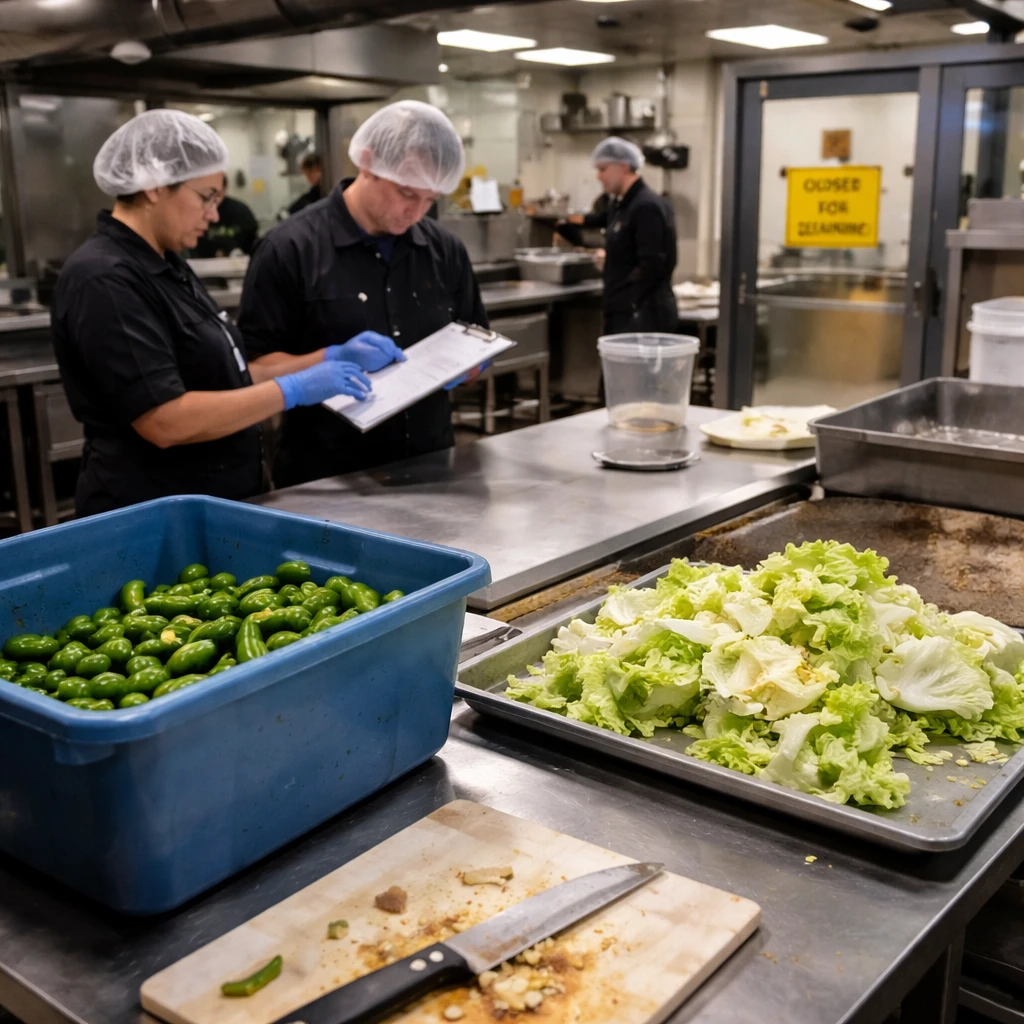
Foodborne illness outbreaks continue to interrupt operations across U.S. restaurant chains, resulting in product recalls, legal actions and heightened regulatory scrutiny while weighing on customer traffic and sales volumes. Recent events have renewed focus on supply-chain integrity and food-safety controls at multiple points in the farm-to-fork chain.
In early August, Chipotle Mexican Grill said it removed jalapeos from restaurants in Minnesota and from other locations that received the peppers after public health authorities identified the peppers as a potential source in an active salmonella investigation. U.S. health officials were investigating a salmonella outbreak linked to Mexican jalapeo peppers that, according to the publicly reported investigation, had sickened 345 people in 27 states. Supplier Coast Citrus Distributors issued a recall for peppers it had sent to restaurants, including outlets of Chipotle and QDOBA.
The salmonella probe unfolded as attention was already heightened about food safety because of a separate outbreak tied to iceberg lettuce served at Taco Bell restaurants. U.S. health authorities expanded their investigation in July into a cyclosporiasis outbreak associated with iceberg lettuce sourced from central Mexico after additional cases emerged across six more states, bringing the total reported to 15 states. Michigan health authorities reported 12,218 cases as of August 5, and the outbreak produced its first known fatalities - two deaths reported in Michigan. The U.S. Food and Drug Administration and the Centers for Disease Control and Prevention linked the outbreak to lettuce served at Yum Brands' Taco Bell and traced that lettuce back to Taylor Farms' operations in central Mexico; the lettuce was recalled, and investigators continued to seek any other potential contamination sources.
The commercial effects of these contamination incidents have varied by company and by episode. Analysts at RBC Capital Markets commented that the evolving cyclosporiasis outbreak and Chipotle's removal of jalapeos tied to Minnesota salmonella cases could further amplify consumer concern about food safety. By contrast, TD Cowen analysts observed in late July that food-safety episodes can have very different business footprints: they noted that comparable issues at McDonalds in late 2024 appeared to affect the chain for only one quarter, while the Wendy's episode in 2022 produced no discernible impact on the company's performance.
That variability in outcomes reflects a longer history of outbreaks at restaurant companies where impacts have ranged from limited and short-lived to prolonged and severe. High-profile previous events include the 2015 Chipotle E. coli outbreak and the 1993 Jack in the Box incidents, both of which led to sharp sales declines for several quarters for the affected companies.
Below is a compiled timeline of major foodborne illness outbreaks and contamination scares that have affected U.S. restaurant and food companies in recent years, with the illnesses and reported operational or regulatory consequences as they were publicly documented.
- August 2026 - Chipotle, Salmonella: U.S. health authorities investigated a salmonella outbreak linked to Mexican jalapeo peppers that reportedly sickened 345 people across 27 states. Coast Citrus Distributors recalled peppers sent to restaurants, including Chipotle and QDOBA. Chipotle removed jalapeos from restaurants in Minnesota and other locations that received the implicated product.
- July 2026 - Taco Bell, Cyclosporiasis: U.S. officials expanded an investigation into a cyclosporiasis outbreak tied to iceberg lettuce from central Mexico after cases appeared in six additional states, bringing the total to 15 states. Michigan reported 12,218 cases as of August 5 and two deaths. The FDA and the CDC linked the outbreak to lettuce served at Taco Bell and traced the lettuce to Taylor Farms' operations in central Mexico; the lettuce was recalled while authorities sought any other possible sources.
- February 2025 - Listeria, frozen supplemental shakes: The FDA and other authorities investigated a multistate listeria outbreak linked to frozen supplemental shakes manufactured by Prairie Farms Dairy, prompting a recall of the products. At the same time, Kraft Heinz recalled some Oscar Mayer turkey bacon products over concerns about Listeria monocytogenes contamination in July of that year.
- October 2024 - McDonalds, E. coli: The chain temporarily stopped serving slivered onions in affected states after an E. coli outbreak tied to Quarter Pounder burgers. The FDA said slivered onions supplied by Taylor Farms were the likely source, prompting a voluntary recall. By December, the CDC had reported 104 illnesses, 34 hospitalizations and one death in connection with the outbreak.
- August 2022 - Wendy's, E. coli probe: The CDC reported it was investigating an E. coli outbreak across four states from an unknown food source, with many of those affected reported to have eaten sandwiches at Wendy's. Wendy's removed romaine lettuce from sandwiches in some restaurants while the CDC conducted its investigation.
- July 2018 - Chipotle, Clostridium perfringens: Local health officials attributed an outbreak that sickened hundreds of people who ate at a Chipotle restaurant in Ohio to Clostridium perfringens, a bacterium found in meat and pre-cooked foods left at unsafe temperatures. This followed reports linking multiple Chipotle Ohio outlets to food-poisoning complaints.
- November 2015 - Chipotle, E. coli: Chipotle acknowledged it might never identify the cause of an E. coli outbreak linked to two restaurants in Kansas and Oklahoma. That episode extended an unresolved outbreak that had sickened at least 50 customers in nine states since October of that year.
- November 2015 - Chipotle, Norovirus: The Boston Public Health Commission reported that 91 people were sickened by norovirus linked to a Chipotle restaurant in Boston.
Taken together, these events underscore recurring vulnerabilities in complex food supply chains and the differing durations and severities of commercial consequences for affected operators and suppliers. While some episodes have had limited, short-term effects on sales and traffic, others produced sustained downturns for the businesses involved. Ongoing investigations, supplier recalls and regulatory follow-up continue to shape the operational responses of restaurant chains and food distributors.
Investors and industry stakeholders continue to monitor outbreak developments, supplier traceability, recall scope and regulatory findings, all of which will determine any longer-term financial and operational effects on the companies named in these incidents.