
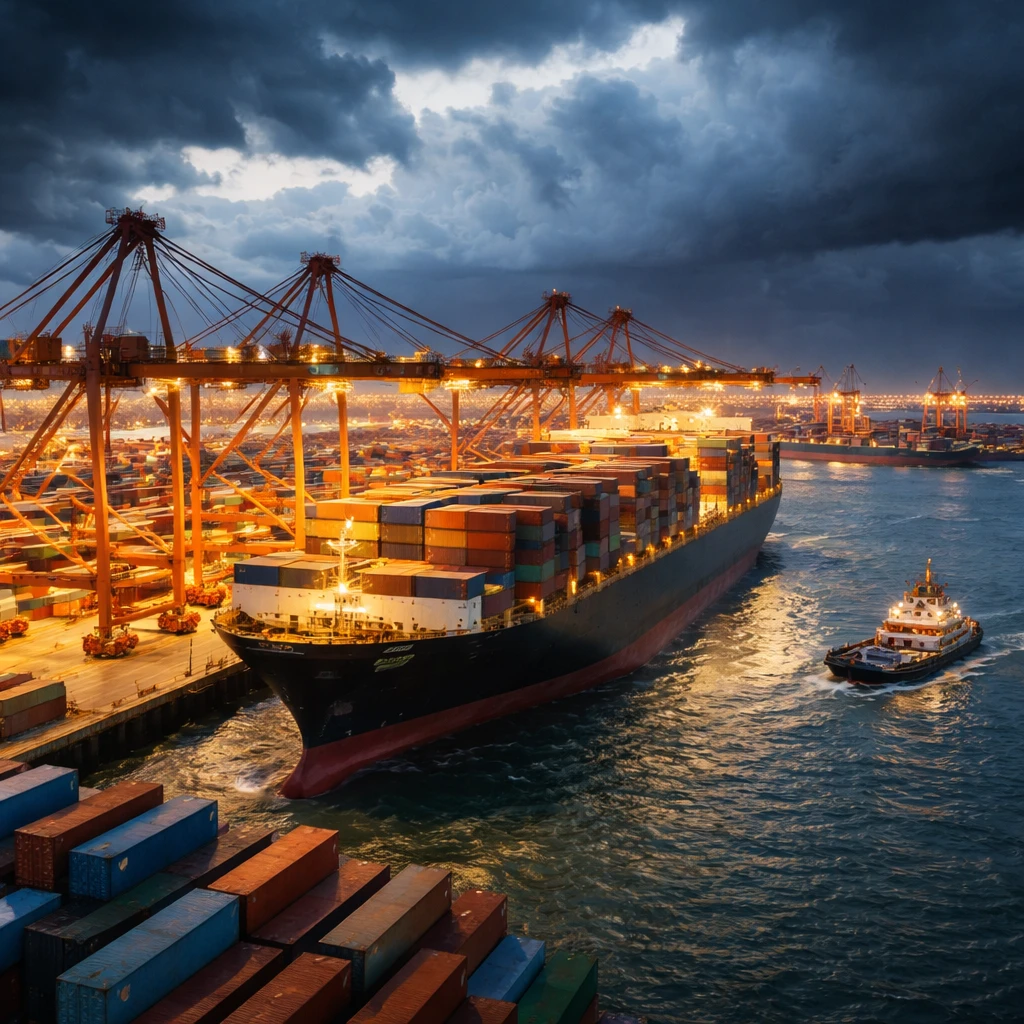
Beijing - Export growth in China probably cooled in July after a strong June rebound but is expected to remain at an elevated level, according to a recent poll of 35 economists. The survey projects exports rose 22.2% year-on-year in U.S. dollar terms for July, down from a 27% increase in June, while imports are forecast to have climbed 27.9%, softer than the prior month’s 36% gain.
Economists surveyed attributed much of the resilience in shipments to continued global demand for goods tied to artificial intelligence investment, which has provided an important tailwind for exporters this year. Another contributing factor cited was the frontloading of shipments by both Chinese and U.S. firms in anticipation of higher tariffs expected from Washington, a dynamic that likely boosted July volumes.
Trade balance and tariff backdrop
The poll also anticipates a narrower trade surplus in July, with the balance projected at $107 billion, down from $125.62 billion in June. Analysts link part of the surge in shipments earlier in the summer to firms accelerating exports ahead of tariff changes. On July 24, the United States implemented a new 12.5% tariff on certain Chinese imports after a temporary 10% levy expired. In addition, a separate U.S. investigation into trading partners' excess capacity could lead to further tariffs.
These policy moves and ongoing concerns about trade imbalances have intensified attention from some Western trading partners and increased the prospect of additional barriers or restrictions that could test how durable China’s export momentum is over coming months.
Domestic headwinds and policy response
At the same time, domestic indicators signalled softer activity in July. Official releases late in the month showed contractions in factory activity as well as in services and construction sectors, while private surveys pointed to broadly slower growth across the economy. Weather-related disruptions, including typhoons, were also cited by analysts as likely contributors to weaker port throughput and slower shipping for both exports and imports during the month.
In response to the softer readings, the Politburo indicated in a late-July meeting that authorities will provide stronger support for the economy. Officials pledged to accelerate fiscal spending and to make timely adjustments to monetary policy tools. The leadership, however, stopped short of committing to consumer-focused stimulus measures or broader structural reforms that some trading partners and economists have sought.
Outlook
While export volumes in July are expected to remain strong by historical standards, the combination of tariff developments, potential additional U.S. measures, domestic demand weakness and weather disruptions creates multiple near-term uncertainties for trade flows. How these factors interact will be a key determinant of whether export strength can continue to offset other drag on growth in the coming months.