
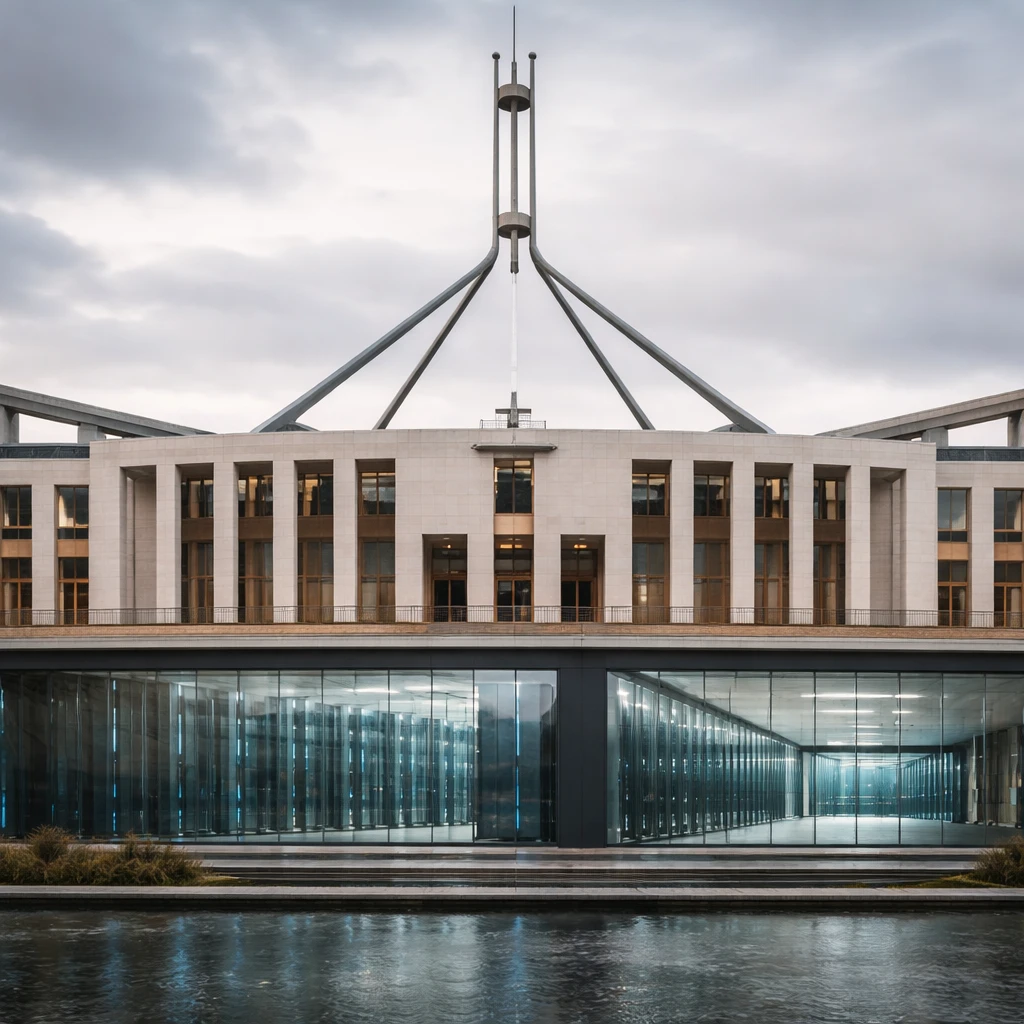
Australia will establish a dedicated Office of AI within the Department of the Prime Minister and Cabinet to oversee the development of artificial intelligence standards across government agencies, the federal administration said. The initiative, to be announced by Prime Minister Anthony Albanese in Sydney on Wednesday, is intended to create a coordinated national approach to AI regulation rather than the current sector-by-sector handling of issues.
According to the government, the new office will centralize responsibility for crafting and implementing AI standards across departments and agencies. The Prime Minister is expected to frame the step as part of a broader pattern in which governments have created unified regulatory frameworks for major technologies in the past. "Up until now, our response has been issue-by-issue, sector by sector," Albanese is expected to say. "But just as government developed co-ordinated approaches for other significant technologies: from civil aviation in the 1920s to genetics in the 1990s, we must do this with AI as well."
The government describes the approach as a world-first that will make Australia more attractive for AI investment by offering clearer approval processes and simplified compliance procedures. Officials present the office as a mechanism to provide consistent guidance for public-sector deployments of AI and to harmonize standards across different agencies.
At present, Australia has no standalone AI legislation. The country relies instead on existing privacy and consumer protection laws together with a voluntary AI ethics framework. The new Office of AI does not change those facts directly but is intended to coordinate policy development and implementation within the federal bureaucracy.
The announcement comes amid growing public and political concern about a range of AI-related impacts. Authorities and stakeholders have highlighted potential effects on employment, increases in energy costs, safety and security risks, questions over intellectual property rights, and environmental consequences tied to data centres, including their high water consumption. The government says the Office of AI will be part of its response to those concerns by streamlining approval pathways and clarifying compliance expectations.
How the office will operate in practice, how it will interact with existing laws and voluntary frameworks, and what specific instruments it will use to regulate AI are matters the government is expected to outline with the formal announcement. Until then, the creation of the office signals Canberra's intent to shift from fragmented, sector-led responses to a centralized model for governing artificial intelligence across the national public sector.
Summary
The federal government will set up a central Office of AI inside the Department of the Prime Minister and Cabinet to coordinate AI standards and regulatory approaches across agencies. Prime Minister Anthony Albanese will announce the plan in Sydney, emphasizing a move away from issue-by-issue regulation. The government positions the office as a world-first measure to draw AI investment by simplifying approvals and compliance. Australia currently lacks specific AI legislation, relying on existing privacy and consumer protections and a voluntary ethics framework. The decision addresses concerns around employment, energy costs, safety, security, intellectual property, and environmental impacts from data centres.
Key points
- The Office of AI will sit within the Department of the Prime Minister and Cabinet and lead development of AI standards across government agencies.
- The government says a centralized approach will replace the previous sector-by-sector handling of AI issues and aims to make Australia more attractive for AI investment through clearer approvals and simplified compliance.
- Australia currently has no specific AI law; regulation today rests on existing privacy and consumer protection legislation and a voluntary AI ethics framework.
Risks and uncertainties
- There is no dedicated AI legislation in place now, meaning regulatory gaps remain until any coordinated standards are formalized - relevant to legal, tech and compliance teams.
- Concerns persist about AI's broader impacts, including on employment and energy costs, and the environmental footprint of data centres that consume large amounts of water - relevant to labor, energy and environmental sectors.
- Questions remain about safety, security and intellectual property rights tied to AI applications, which could affect technology providers, data centre operators and industries using advanced AI systems.