
Economy July 14, 2026 08:33 AM

Australia to centralise AI regulation with new Office of AI in PM's department

Government plans a whole-of-government body to steer AI standards, aiming to balance investment attraction and regulatory clarity

By Ajmal Hussain
Share
Twitter Reddit Facebook LinkedIn

The Australian government will establish an Office of AI inside the Department of the Prime Minister and Cabinet to coordinate national AI standards and policy across ministries. Prime Minister Anthony Albanese is set to unveil the initiative in a major Sydney address, arguing for a unified approach to AI similar to past coordinated responses to other transformative technologies. The office is intended to clarify approvals, streamline compliance and bolster Australia's appeal for AI investment while addressing rising concerns about jobs, energy, safety, intellectual property and environmental impacts from data centres.

Australia to centralise AI regulation with new Office of AI in PM's department
Summarize with
ChatGPT Perplexity Claude Grok Gemini

Key Points

  • A new Office of AI will be established within the Department of the Prime Minister and Cabinet to coordinate AI standards and policy across ministries - impacts technology and government sectors.
  • The government says the centralised approach will provide clearer approvals and more streamlined compliance, aiming to boost Australia’s attractiveness for AI investment - impacts investment and data centre development.
  • Australia currently lacks AI-specific laws and instead uses privacy and consumer protection statutes plus a voluntary AI ethics framework - impacts legal and regulatory frameworks across industries adopting AI.

SYDNEY, July 14 - Australia will set up an Office of AI at the centre of government to shape national artificial intelligence standards, seeking to reconcile the need to draw investment with effective oversight of the fast-evolving technology.

The new office will sit within the Department of the Prime Minister and Cabinet, with a mandate to ensure a whole-of-government approach across ministries rather than fragmented, sector-by-sector responses.

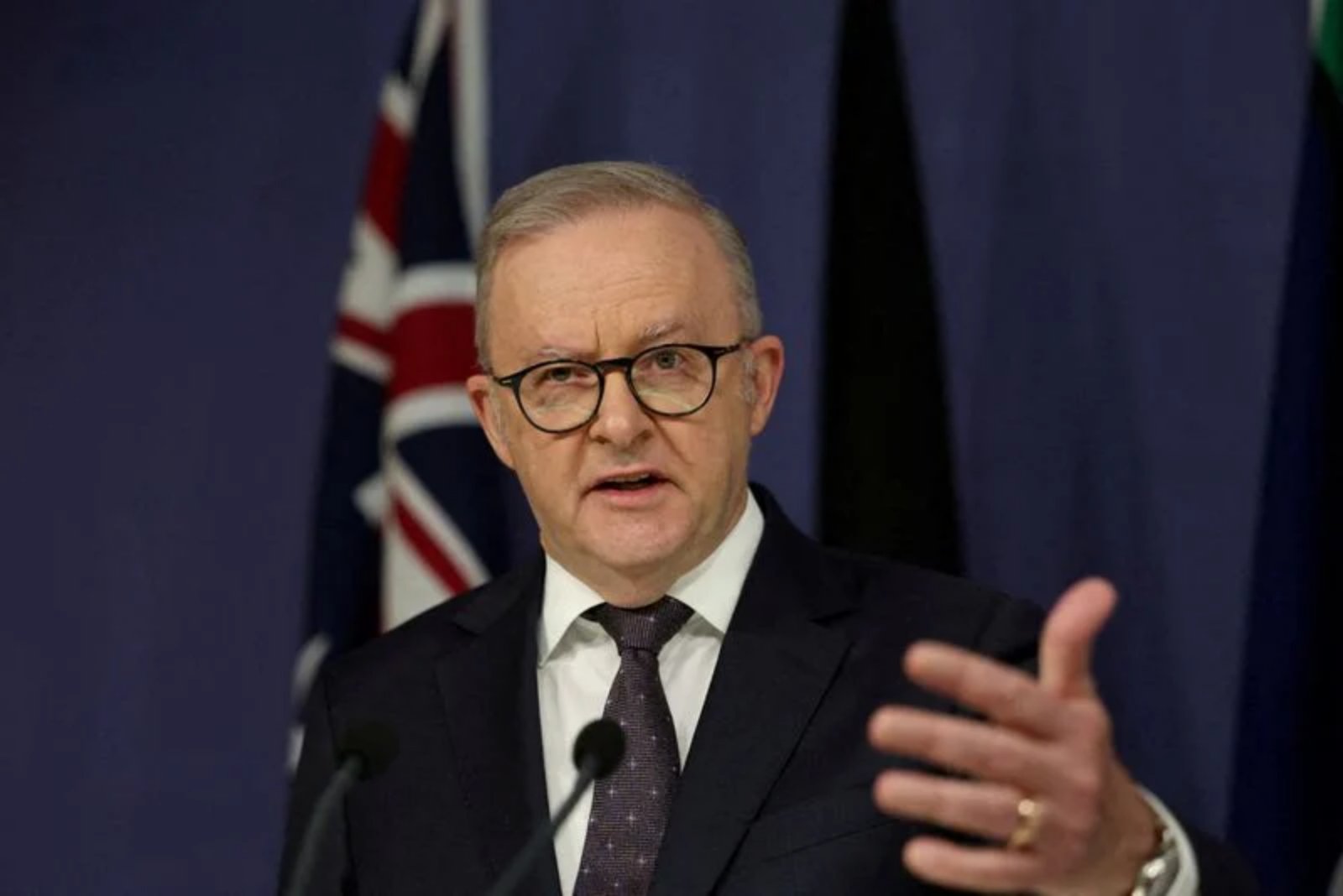
Prime Minister Anthony Albanese is expected to announce the formation of the office during a major address in Sydney. He is due to say: "Up until now, our response has been issue-by-issue, sector by sector." He will add, "But just as government developed co-ordinated approaches for other significant technologies: from civil aviation in the 1920s to genetics in the 1990s, we must do this with AI as well."

Officials are portraying the move as a world-first approach intended to make Australia more attractive as a destination for AI investment. By centralising coordination, the government says approvals should be clearer and compliance processes more streamlined for companies operating in the AI space.

The announcement comes as Australia positions itself to be a leader in AI and a global hub for data centres. At the same time, there are growing calls within the country for tougher regulation as AI technologies become more widely used in the economy.

Public concerns cited in relation to AI include the potential for job losses and rising energy costs, as well as risks to safety, security and intellectual property. Environmental worries have also been raised in connection with the expansion of data centres, which the government notes require vast amounts of water.

At present, Australia does not have legislation specifically targeting AI. Instead, policymakers rely on a patchwork of existing privacy and consumer protection laws alongside a voluntary AI ethics framework.

The Office of AI is intended to provide a central policy home to coordinate standards and regulatory work across government, and the prime minister will set out the details of the initiative in his Sydney address.

Risks

  • Potential job losses and higher energy costs associated with wider AI adoption - impacts labor markets and energy sectors.
  • Concerns about safety, security and intellectual property as AI spreads through the economy - impacts technology, legal and security sectors.
  • Environmental risks from the expansion of data centres, which require vast amounts of water - impacts utilities, environmental policy and data centre operators.

More from Economy

U.S. Consumer Inflation Eases More Than Forecast in June, but Uncertainty Remains Jul 14, 2026 Warsh Signals Fed's Resolve to Prevent Persistent Inflation as Economy Shows Mixed Strength Jul 14, 2026 Australia to Create Central Office for AI Policy and Standards Jul 14, 2026 U.S. Consumer Inflation Sees Sharp Monthly Drop in June, Led by Lower Gas Prices Jul 14, 2026 Citi Posts 45% Rise in Quarterly Profit as Trading and Deal Fees Surge Jul 14, 2026