
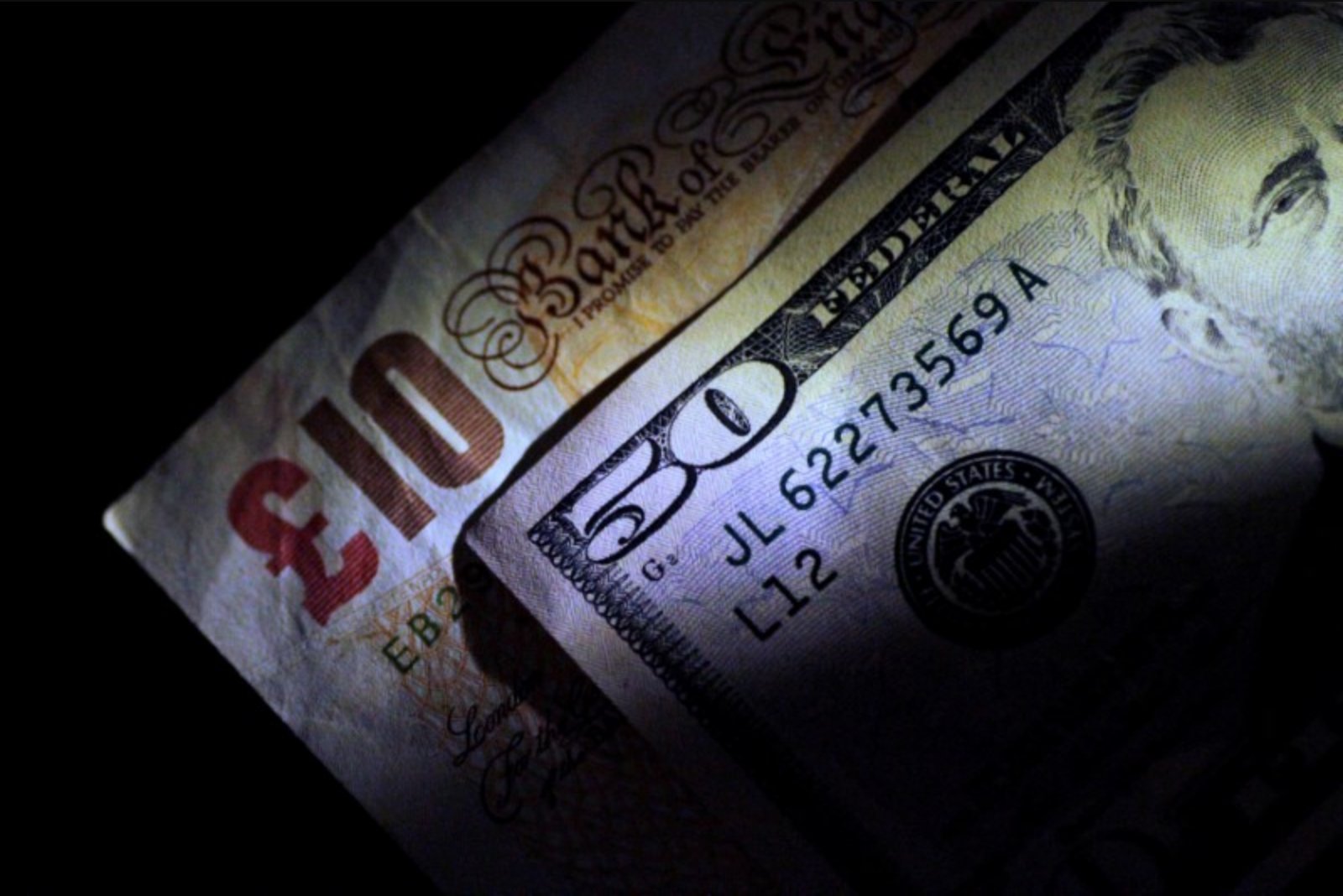
Sterling dropped to its weakest point since early April on Thursday, trading beneath the $1.33 mark as the dollar benefited from a firmer Federal Reserve stance and the Bank of England opted to hold policy steady.
At 08:45 ET (12:45 GMT), GBP/USD was 0.44% lower at 1.3232, while EUR/USD traded 0.30% lower at 1.1467.
The dollar’s resilience reflected the Fed’s hawkish adjustment, which helped push US yields higher and encouraged broad dollar buying. That support for the greenback remained despite an easing in oil prices after signs of progress towards a US-Iran peace agreement, a development that lifted general risk sentiment.
ING’s Chris Turner noted that the dollar was largely retaining the gains generated by Wednesday’s Federal Open Market Committee meeting. In that meeting, a stronger stated commitment to price stability and a hawkish shift in the Fed’s dot plot projections prompted market moves that favoured the dollar.
ING pointed out that nine of the Fed’s 18 officials now expect at least one rate increase this year, a change that has prompted markets to raise expectations for further tightening if inflation proves persistent. At the same time, ING argued any Fed action would likely be a modest adjustment rather than the beginning of a new tightening cycle, observing that roughly 44 basis points of tightening were already priced in by the second quarter of next year.
For the euro, ING expects limited appetite for a sustained break below the 1.15 area despite the stronger dollar. Attention is shifting back to the European Central Bank and whether policymakers will opt for another rate increase later this summer, according to ING.
ING further suggested EUR/USD might find support in the 1.14-1.15 region, with falling energy costs related to the US-Iran agreement easing pressure on the euro area’s terms of trade and improving the broader risk backdrop.
Sterling’s decline was reinforced by the Bank of England’s policy decision. The Monetary Policy Committee voted by 7-2 to leave Bank Rate unchanged at 3.75%, with Megan Greene and Huw Pill again voting in favour of a 25 basis-point increase.
The BoE acknowledged that consumer price inflation eased to 2.8% in May and that labour market indicators were continuing to soften, but it also said inflation risks remained skewed to the upside. That assessment reflected uncertainty about energy prices and the possibility of second-round effects.
The statement from the BoE noted that recent movement towards a Middle East peace agreement had helped push Brent crude back toward $79 a barrel, while cautioning that energy markets remained volatile. The bank added that inflation was still expected to rise later this year as previous energy cost increases worked through the economy.
Policymakers also highlighted that financial conditions have tightened materially, with higher mortgage and borrowing costs providing additional restraint without the immediate need for a rate increase.
ING maintained a cautious stance on sterling, describing the BoE’s approach as an attempt to "ride out" the current inflation shock rather than respond with further tightening. The broker pointed to softer wage growth, subdued employment trends and weakening economic momentum as evidence supporting a prolonged pause in rate hikes, even as markets continue to price in around 30 basis points of additional tightening by the end of 2026.
ING expects GBP/USD to remain under pressure while the Fed retains a comparatively hawkish bias, leaving sterling vulnerable against a dollar that is being bolstered by recent Fed signals.
Key points
- GBP/USD fell to 1.3232, its weakest level since early April, pressured by a stronger dollar and a BoE hold.
- The Fed’s hawkish shift and higher US yields have supported broad dollar buying, while lower oil prices from a US-Iran agreement improved market risk sentiment.
- The BoE voted 7-2 to keep Bank Rate at 3.75%; two members favoured a 25bp hike, and the bank signalled upside inflation risks despite an easing to 2.8% in May.
Risks and uncertainties
- Energy price volatility - continued swings in oil prices could alter inflation dynamics and influence central bank decisions, affecting energy-intensive sectors and consumer inflation outcomes.
- Monetary policy divergence - a persistently hawkish Fed versus a paused BoE could keep pressure on sterling and influence borrowing costs, mortgage markets and trade-exposed sectors.
- Labour market and wage trends - softer wage growth and weakening employment momentum could extend the BoE’s pause, impacting consumer demand and sectors reliant on domestic spending.
Conclusion
Sterling’s retreat was driven by a combination of a firmer dollar following the Fed’s more hawkish signals and the BoE’s decision to hold rates. Market pricing suggests modest additional Fed tightening is expected, while the BoE’s emphasis on tightened financial conditions and easing domestic indicators supports a cautious approach. That mix leaves GBP/USD exposed unless the balance between US and UK policy stances shifts.