
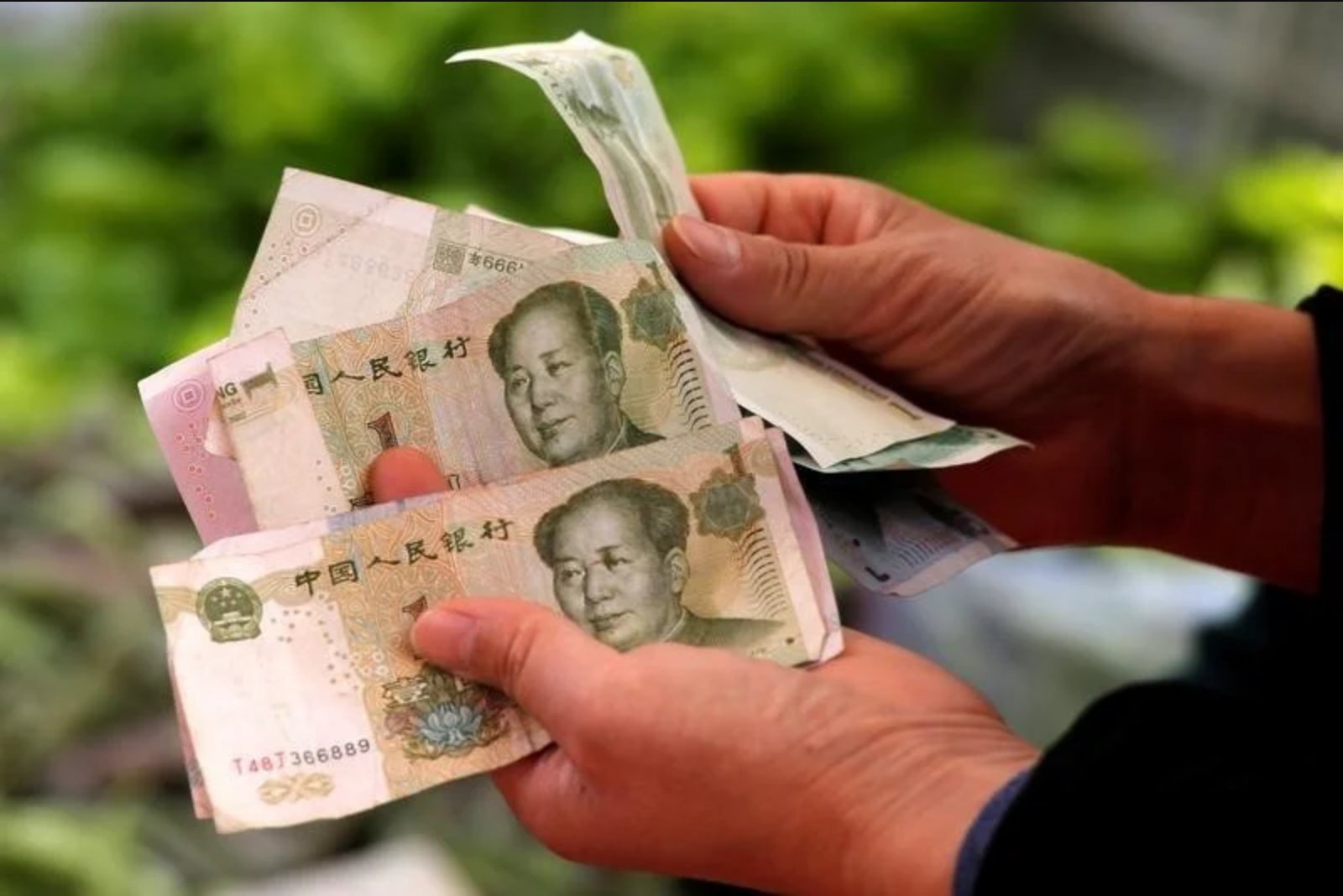
Angola’s central bank has expanded the pool of currencies that domestic banks may hold as compulsory foreign-currency reserves to include the Chinese yuan. The Bank of Angola said the change in a directive dated July 2, which it published on its website on Thursday.
Under the revised directive, the Chinese yuan joins the U.S. dollar, the euro and the South African rand as currencies that banks can use to meet mandatory reserve obligations. These mandatory reserves are funds that national banks are required to keep with the central bank to support stability and liquidity in the banking system.
The directive does not alter the fundamental purpose of mandatory reserves - to ensure that banks maintain an appropriate buffer with the central bank for liquidity management. It does, however, broaden the set of eligible currencies that can serve that function for local lenders.
China is described in the directive and related commentary as Angola’s key trading partner and a significant source of financing for infrastructure. Angola exports crude oil to China and has obtained billions of dollars in Chinese loans earmarked for infrastructure projects. Those economic links are cited as context for the growing prominence of the yuan on the continent.
The inclusion of the yuan formalizes its increased role in African currency usage, a trend that the Bank of Angola references in explaining the amendment. The directive notes the yuan’s rising importance across Africa in light of China’s position as the continent’s largest trading partner.
Even with the addition of the yuan, the U.S. dollar remains the dominant currency for reserves and international trade globally, a point the bank acknowledged in its communication.
For banks operating in Angola, the change provides an additional option for the composition of the foreign-currency portion of compulsory reserves. For sectors that interact with cross-border financing and trade - notably banking, infrastructure financing and crude oil exports - the amendment clarifies permissible reserve instruments without changing existing reserve requirements themselves.
Summary: The Bank of Angola has added the Chinese yuan to the list of currencies that domestic banks may use to satisfy mandatory foreign-currency reserve requirements. The directive is dated July 2 and was published on the bank’s website on Thursday. The yuan now sits alongside the U.S. dollar, euro and South African rand. The change reflects China’s role as Angola’s main trading partner and a major source of infrastructure financing, including loans tied to oil-export revenues.