
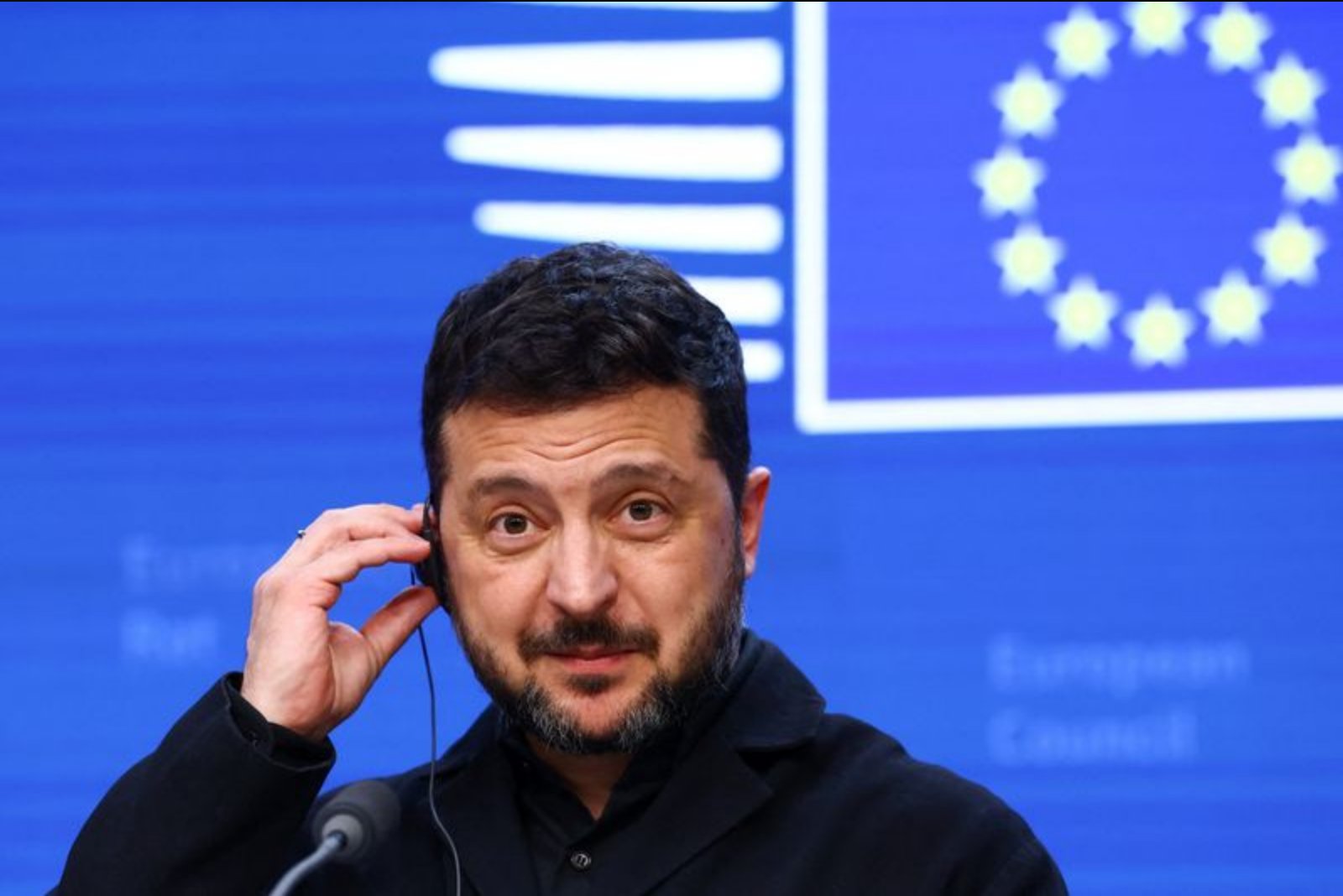
Oct 16 - Ukrainian President Volodymyr Zelenskiy used a European Union summit in Brussels to sharply criticise a U.S.-brokered diesel agreement with Russia and to argue that Russia is not sincerely pursuing peace. He welcomed the possibility that European allies could play a larger role in any negotiation process, referring to them as "real leaders."
Zelenskiy told reporters the diesel accord risked sending funds back to Moscow and weakening Ukraine's position. "And now we can see how cash will start flowing back into Russia through the diesel deal," he said. He added that while the agreement would not fully counter broader global energy pressures, it would channel money to President Vladimir Putin's government that could be used to finance the war.
The summit took place as Russian missiles and drones struck Ukrainian cities and as Kyiv faced anxiety that the United States might scale back intelligence-sharing and weapons deliveries. Zelenskiy showed little sign of softening toward Washington despite holding talks with EU leaders who rallied in support of Ukraine after recent criticisms from U.S. President Donald Trump.
Trump last weekend announced that Ukraine and Russia had agreed not to target each other's energy facilities, a declaration that blindsided Kyiv and prompted Zelenskiy to declare that his country was no longer observing the energy ceasefire. Ukrainian forces then struck an oil refinery southeast of Moscow, an attack Kyiv acknowledged in announcing the end of the U.S.-cited truce.
At the same time, Russian President Vladimir Putin addressed senior commanders while pictured in military attire during a visit to a command post. He said Moscow was creating a "security zone" inside Ukraine along the border and described that arrangement as something he would not entertain as a subject for future negotiations with Kyiv. "Our goal is to ensure the absolute security of Russia's border regions for the future, and we do not plan to make this a subject for potential peace negotiations with Ukraine," he said, according to remarks broadcast on Russian television.
Zelenskiy accused Putin of having no genuine interest in peace. "Putin does not want peace talks at the moment, in any form," he told summit attendees. He characterised Russian responses as playing with words and said they resembled a parody rather than a real intention to end hostilities.
French President Emmanuel Macron criticised the diesel agreement as well, saying it "is not good for anyone. It sends a negative signal. It is an element of division and doubt." Macron's comment reflected broader European unease about the accord, which Kyiv and its allies say will channel revenue to Russia.
The Kremlin said last week Ukraine's actions had undermined the prospects for an immediate resumption of peace talks, pointing to drone attacks on Moscow that took place during Russia's recent parliamentary election. In related developments, Kirill Dmitriev, identified as Putin's investment envoy, said discussions were underway between Russia and the United States on a range of joint projects following the diesel agreement, including proposals for nuclear-powered data centres.
Also on Friday, the Kremlin reported a conversation between Putin and Pope Leo, saying that the two had agreed to cooperate after the pontiff sought help in getting vital supplies into Oleshky, a town of humanitarian concern under Russian control in Ukraine.
Separately, the operational status of Starshield, the military-grade version of the Starlink satellite service, remained a concern. Zelenskiy said the system's functionality had improved but was not fully restored, and he warned that the disruption had endangered civilians. President Trump denied he or Elon Musk were responsible for the recent reduction in capabilities of the satellite service. Speaking to reporters in Washington, Trump said: "It wasn't me, and I don't think it was Elon, and from what I understand it's the same as it's always been." He added that he believed he had a good relationship with Zelenskiy and urged the Ukrainian leader to "settle the war."
Trump has voiced particular concern about Ukrainian strikes on Russian refineries, which he blamed for raising world oil prices and potentially harming his party's prospects in the upcoming U.S. midterm elections. "All he's doing is making the world oil price higher. Well, I think that's a disgrace," Trump said in an interview with the Newsmax outlet.
Industry sources told reporters that the Ryazan oil refinery suspended operations at one of its primary crude distillation units following Ukraine's drone attack. Russia publicly acknowledged the incident and broadcast images on state media, a departure from normal practice used to underscore the event.
Context and immediate effects
EU leaders in Brussels sought to present a united front in support of Ukraine even as divisions surfaced over the U.S.-Russia diesel deal and the broader trajectory of the conflict. Zelenskiy's comments signalled frustration with what he described as a lack of earnest Russian engagement on peace and a desire for Europe to assume a larger diplomatic role.
Putin's emphasis on security zones inside Ukraine and his statement that such measures would not be negotiable point to a hardened negotiating stance from Moscow, while public Russian discussion of joint projects with the United States after the diesel agreement indicates diplomatic and economic threads that could complicate the situation.
Key takeaways
- Zelenskiy condemned a U.S.-Russia diesel deal that he says channels funds to Russia and welcomed increased European participation in peace efforts.
- Putin announced creation of a "security zone" inside Ukraine along the border and described it as non-negotiable in future talks.
- Operational disruptions to the military-grade Starlink service and strikes on Russian refineries are feeding concerns about civilian safety and energy-market effects.
Sectors affected
- Energy markets - refinery strikes and the diesel agreement influence oil and diesel supply and pricing.
- Defence and intelligence - Starshield service disruptions affect military communications and civilian risk.
- Diplomacy and international investment - discussions of joint projects and changing negotiation dynamics may influence future economic ties.