
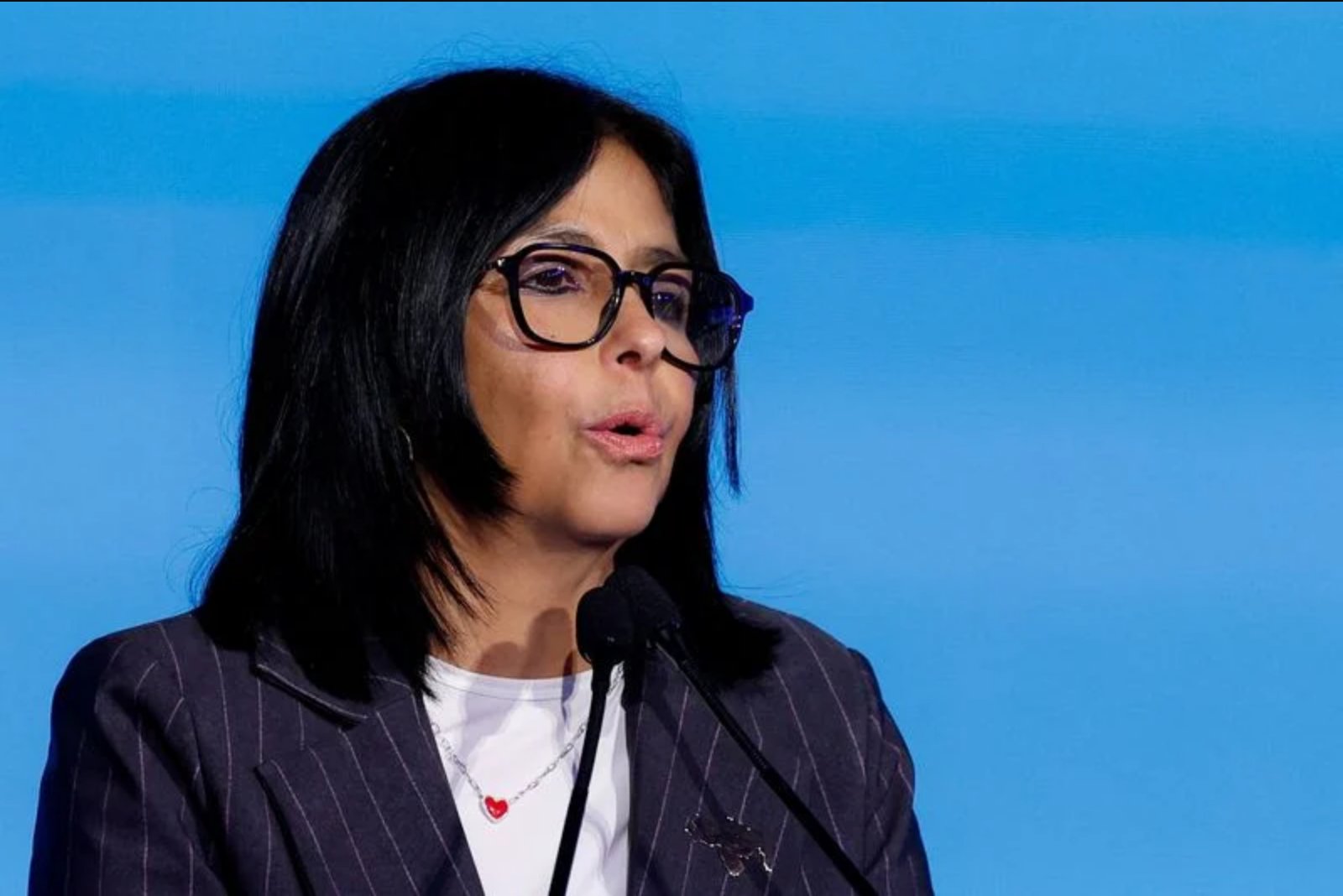
Venezuela expects almost $76 billion in new oil-sector investment over the coming five years as a result of recently signed agreements, acting President Delcy Rodriguez said on Saturday.
Rodriguez said a bilateral accord with the United States is part of the arrangements and includes plans to deploy 250 drilling rigs. She said the US bilateral agreement spans 17 oil fields and is one element of a wider set of 61 agreements reached between the parties.
Speaking on national television, Rodriguez framed the inflows as mutually beneficial. "Major investments are coming," she said. "We are talking about investment of almost $76 billion over five years. Those investments will translate into direct benefits for our country in a win-win partnership, because our partner will also benefit."
Government officials have been presenting the accords as a way to draw in foreign capital and technical capacity to reinvigorate a sector that has declined markedly. Venezuela still holds the world's largest proven crude oil reserves, but current production remains well below levels seen about a decade ago, the acting president noted.
Rodriguez also highlighted a recovery in output in western Zulia state. There, she said production rose from 70,000 barrels per day (bpd) to 370,000 bpd, and she added it was expected to reach 400,000 bpd by the end of the year. She did not specify over what period the increase occurred.
The acting president linked the investment plans to direct economic benefits for Venezuela while also recognizing returns for international partners. The agreements, as described, are intended to accelerate production gains across multiple fields and to mobilize large-scale capital expenditure.
Analysts and market participants note that Venezuela's oil output has been constrained by several structural and policy issues. The country has suffered from years of underinvestment and operational difficulties at state oil company PDVSA, and its energy sector has been subject to sanctions by the United States. Those factors have contributed to the gap between the country's sizeable reserves and current output levels.
Rodriguez presented the package as a significant step toward reversing the decline in production, but she did not provide a timeline for when the full investment program will be implemented beyond the five-year aggregate figure, nor did she detail the schedule for the planned deployment of the 250 rigs.
Contextual note: The statements summarized here reflect the announcements and figures provided by the acting president in her televised remarks.