
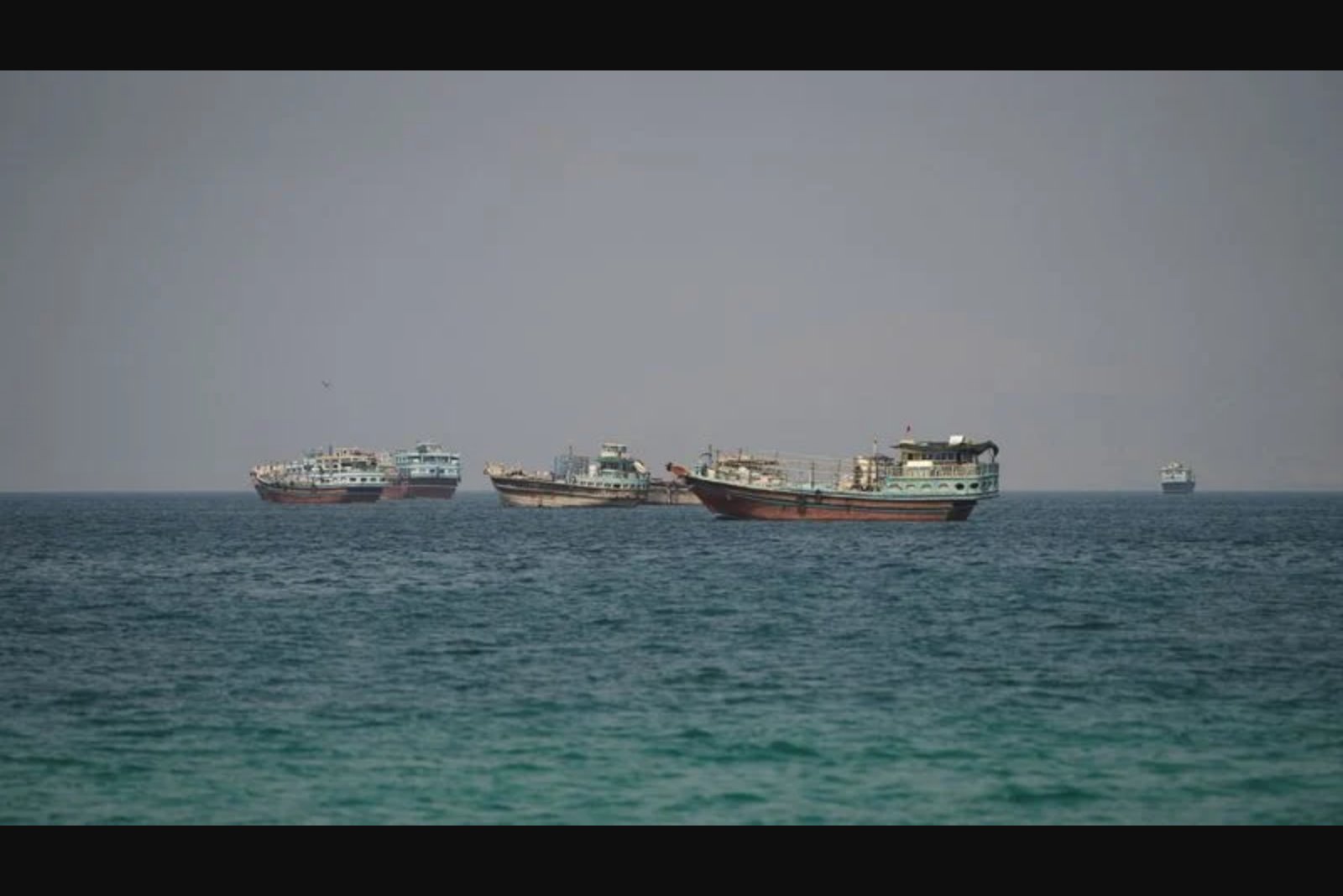
GENEVA, Sept 8 - The United Nations Conference on Trade and Development (UNCTAD) said on Tuesday that interruptions to shipping through the Strait of Hormuz could push small and medium-sized enterprises (SMEs) out of global value chains, intensifying economic concentration and weakening the overall resilience of international trade.
UNCTAD highlighted several cost pressures that fall more heavily on smaller firms than on larger counterparts. The agency pointed to rising energy bills, higher freight rates, increased insurance premiums and financing constraints stemming from the U.S.-Iran military exchanges. These combined headwinds, UNCTAD said, leave SMEs more exposed because large firms commonly have greater capacity to diversify suppliers, access alternative markets and secure different funding sources.
The agency noted the scale of the potential fallout: SMEs represent roughly 90% of businesses worldwide, contribute about 70% of employment and account for around 50% of global gross domestic product. Given that footprint, UNCTAD warned that disruptions in the Strait of Hormuz could produce ripple effects far beyond the immediate shipping routes.
Markets have been unsettled for months by conflict in the Middle East, which has interrupted maritime traffic through the strategic stretch of water between Iran and Oman that normally handles a substantial portion of global oil shipments. After a month of calm in August, exchanges of fire between Iran and the United States resumed, contributing to a rebound in crude prices to levels not seen since July. Brent crude was reported up more than 2% on Tuesday, trading above $99 a barrel.
UNCTAD also highlighted attacks by Houthi forces on southwestern Saudi Arabia as a separate vector that could deepen the economic consequences by disrupting Middle East energy supplies beyond the blockaded Strait of Hormuz.
UNCTAD's assessment and warnings
The agency warned of an "SME exclusion effect" if the shocks persist: smaller companies may be forced to scale back production, postpone planned investments or leave value chains entirely, even if aggregate trade volumes recover later. UNCTAD spokeswoman Marcelo Risi summarized the concern:
"The risk is not only that trade slows globally. It is that smaller firms can be really pushed out of the value chains, even when overall trade begins to recover."
UNCTAD said recent shocks have already manifested in higher crude prices, reduced shipping transit volumes and rising borrowing costs. These developments, the agency emphasized, are particularly burdensome for SMEs, which already contend with relatively higher operating expenses such as electricity and import compliance compared with larger firms.
Sectors and market areas affected
- Energy markets - through higher crude prices and potential supply disruptions;
- Shipping and freight - via reduced transit volumes and elevated freight rates;
- Financial and insurance services - reflected in higher borrowing costs and insurance premiums that disproportionately hit smaller firms.
UNCTAD's analysis underlines the risk that trade shocks concentrated in key maritime chokepoints can have broad economic consequences, with smaller businesses bearing the brunt due to lower access to diversified resources and higher relative operating costs.