
Commodities October 23, 2026 04:24 PM

Trump Says U.S. Will 'Take Care of Cuba' After Iran, Rubio Urges CIA Partnership

At a Florida rally, the president pledged action on Cuba; Secretary of State Marco Rubio called on opponents of Havana's government to work with U.S. intelligence

By Avery Klein
Share
Twitter Reddit Facebook LinkedIn

At a Florida rally, President Donald Trump said the United States would address Cuba after Iran and would send Marco Rubio to complete the effort. Rubio, who has overseen much of Cuba policy for the administration, urged those seeking change inside Cuba to form a "discrete partnership with the CIA," a comment he posted on X. The administration's measures include an oil blockade that has strained Cuba's fuel supplies and infrastructure, drawing criticism from UN experts and rights advocates.

Trump Says U.S. Will 'Take Care of Cuba' After Iran, Rubio Urges CIA Partnership
Summarize with
ChatGPT Perplexity Claude Grok Gemini

Key Points

  • President Trump announced at a Florida rally that Cuba will be addressed after Iran and said Marco Rubio would complete the effort; this directly involves U.S. diplomacy and potential covert engagement.
  • Marco Rubio urged Cubans seeking change to partner with the CIA through a message on X, a call he did not further detail; this highlights involvement by U.S. intelligence in Cuba-focused policy.
  • U.S.-imposed oil blockade has caused fuel shortages and blackouts in Cuba, worsening infrastructure strains; this affects energy availability on the island and has drawn international criticism.

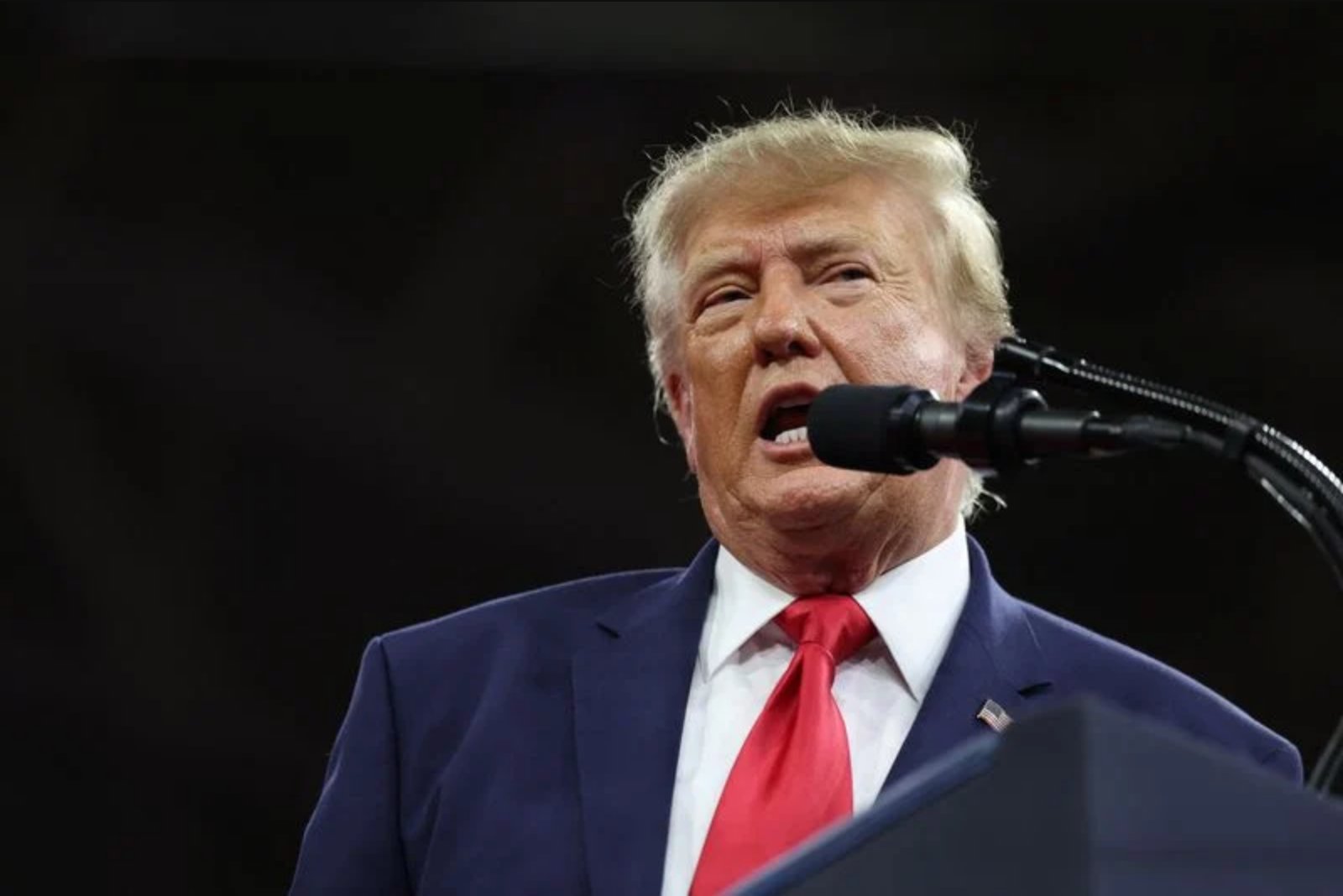
FORT MYERS, Florida, Oct 23 - President Donald Trump told supporters at a rally in Florida that the United States would handle Cuba after dealing with Iran and that he planned to dispatch Secretary of State Marco Rubio to "finish up the deal."

At the same event, Trump said:

"We’ll take care of Cuba on our way back from Iran ... then we’re going to send Marco Rubio in to finish up the deal,"

Marco Rubio, who has been managing much of the administration's Cuba-related policy, posted on X urging those inside Cuba who seek change to act now. In his post he wrote:

"To those who seek to create positive change in Cuba - now is the time,"
and he urged Cubans disappointed by their government to "seize this opportunity to create the change you desire through a discrete partnership with the CIA," without elaborating further.

The administration's stated objective remains the alteration of Cuba's communist government. Among the measures implemented earlier this year, the United States has imposed an oil blockade that the article says has placed severe strain on the island - creating fuel shortages and contributing to blackouts worsened by failing infrastructure.

Washington has sustained an embargo on Cuba for more than 60 years, and the current administration has increased pressure on Havana following an operation in January in which the U.S. military seized then-Venezuelan President Nicolas Maduro in what the source characterizes as a deadly raid. The sequence of policies and actions is presented in the context of the administration's broader strategy toward the region.

Cuba's foreign minister addressed the UN General Assembly last month and said Cuba would remain open to dialogue with the United States. At the same time, UN rights experts have criticized the oil blockade as a violation of international law. Rights advocates cited by the source argue that the administration's threats have echoed an imperialist approach.

Separately, the president predicted last month that the United States and Cuba would reach an agreement and said he did not think military action would be necessary.


This account presents the public statements and policy measures as reported at the Florida rally and on social media, along with reactions from international and Cuban officials and rights observers. Some comments from U.S. officials call for clandestine cooperation, while international observers have expressed legal and ethical concerns about the blockade.

Risks

  • UN rights experts say the oil blockade may violate international law, posing legal and diplomatic risks - relevant to international law and diplomatic relations sectors.
  • Rights advocates argue the administration's threats resemble an imperialist posture, raising reputational and geopolitical risks for U.S. foreign policy and regional relations - relevant to diplomatic and defense sectors.
  • Calls for discrete partnerships with intelligence services and prior U.S. military action in the region create uncertainty over the role of covert operations and potential escalation, affecting security and defense considerations.

More from Commodities

Gold Holds Above $4,000 Ahead of Fed Decision and PCE Data Oct 27, 2026 Gold Slides Under $4,000 as Downtrend Holds - Technical Playbook Oct 27, 2026 Diesel Refining Margins Slide 7% as Russian Processing Rises and France Readies Reserve Release Oct 27, 2026 Gold Nears $4,050 as Markets Await Fed Decision; Diplomacy Eases Iran Tensions Oct 27, 2026 UAE Commits Up to 30 Million Barrels of Oil to Indonesia Amid Regional Disruptions Oct 27, 2026