
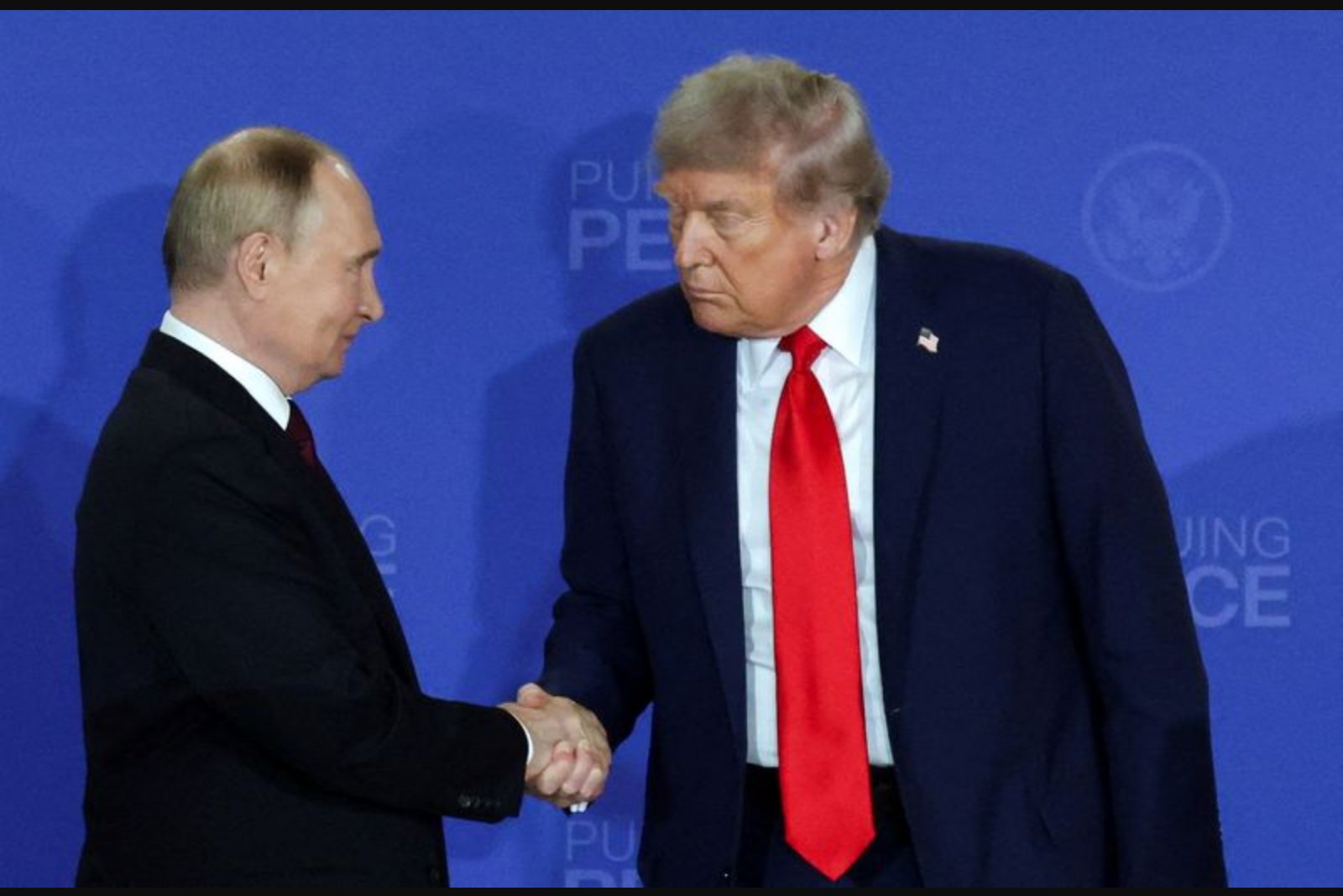
On Oct. 16, the White House announced that President Donald Trump has issued an executive order to waive a number of sanctions, restrictions and duties that would otherwise have come into force under legislation he signed into law in mid-September.
The law in question, known as the Lindsey O. Graham Sanctioning Russia and Iran Act of 2026, included a provision that would have imposed tariffs of up to 100% within 30 days on all goods imported into the United States from the five largest buyers of Russian crude oil or gas. It also targeted any country that knowingly purchased Russian oil or gas within 30 days of the law taking effect, as well as nations identified among the top five assisting Russia in evading sanctions.
The White House release accompanying the executive order quoted the president as saying he had "submitted to the Congress a certification that the issuance of such a waiver at this time is in the national interests of the United States." The action therefore delays the immediate application of the measures specified in the statute.
This decision arrives amid a noticeable shift in the president's public posture toward Russia. The administration's announcement noted that Mr. Trump has been warming toward Russia while also leveling public criticism at Ukrainian President Volodymyr Zelenskiy, including statements suggesting Ukraine may need new leadership.
Cognizant of the international implications, the administration's waiver comes after expressions of concern from countries that are significant purchasers of Russian energy. The release specifically noted that nations such as India, which ranks among the largest buyers of Russian oil, had raised objections about the sanctions bill.
The waiver postpones the practical effects of the tariffs and related restrictions the law would have enacted within its 30-day trigger window. The executive certification to Congress frames the waiver as serving United States national interests, without detailing further operational criteria or the length of the waivers in the public statement.
Context and implications
- Legislation signed in mid-September included potentially sweeping trade penalties affecting imports linked to Russian crude and gas.
- Following the president's certification, the immediate implementation of those penalties has been delayed by the administrative waivers.
- Government officials noted concerns from major energy importers, underscoring diplomatic and market sensitivity around the statute.