
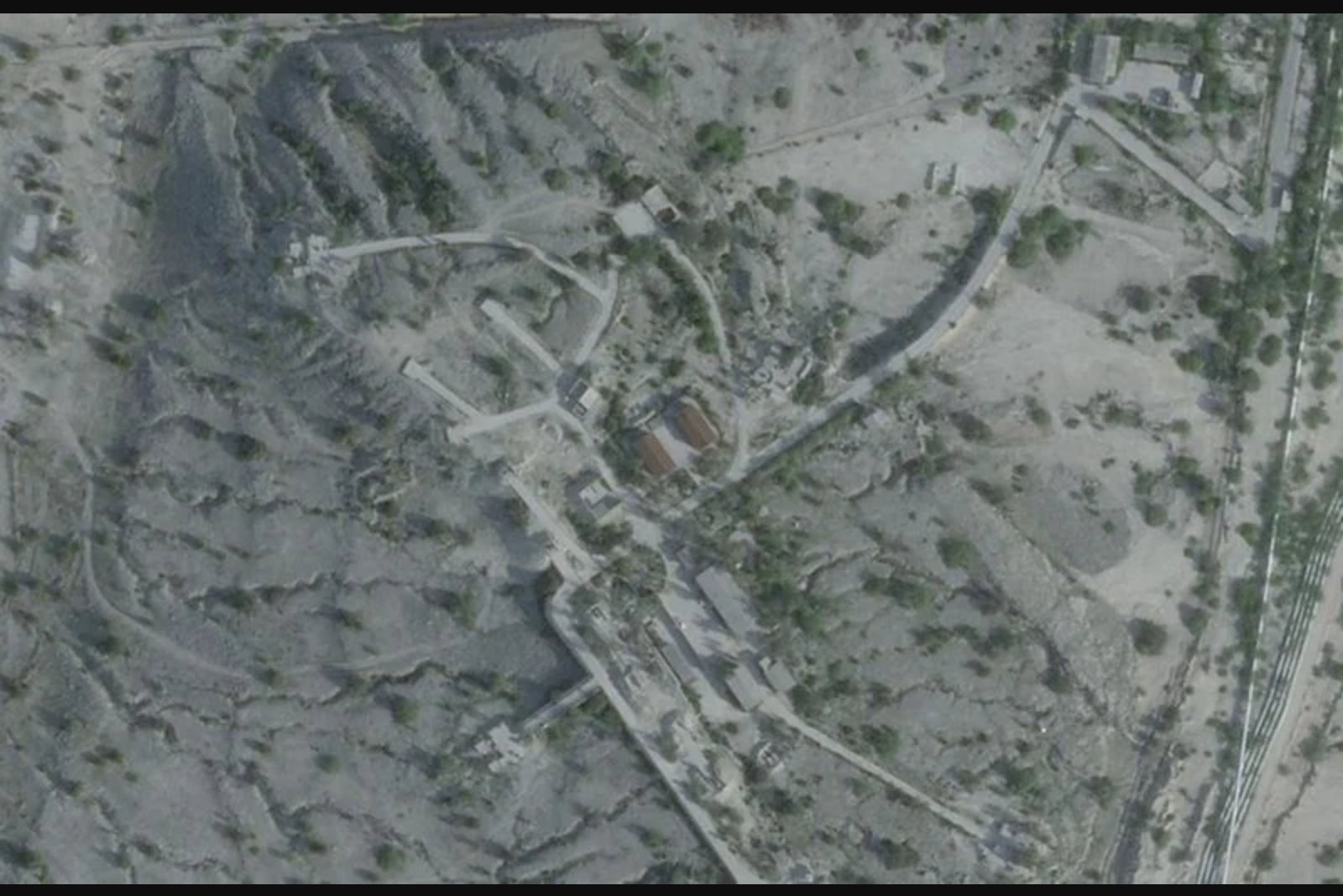
President Donald Trump stated on Thursday that he would like the United States to take control of Kharg Island, the offshore facility that has handled the bulk of Iran’s oil exports. While analysts judge that U.S. forces could mount a rapid seizure, they warn that occupying the island would carry substantial danger for American troops and could extend the hostilities rather than bringing them to a swift conclusion.
Why Kharg Island matters
Kharg Island is situated about 16 miles (26 km) off the Iranian coast at the northern end of the Gulf, roughly 300 miles (483 km) northwest of the Strait of Hormuz. The water depth around the island allows docking by very large tankers that cannot approach Iran’s shallow mainland coastal waters. Before the war began on February 28, the island handled 90% of Iran’s oil exports. Taking control of Kharg would therefore be expected to severely disrupt Iran’s energy trade and put substantial pressure on Tehran’s economy. Iran is the third largest producer in the Organization of the Petroleum Exporting Countries.
Recent military activity and current posture
U.S. forces struck targets on Kharg Island in March and April. President Trump has said that those strikes "totally obliterated" the military targets on the island and indicated that oil infrastructure could be targeted next. At the time of those strikes, U.S. officials were considering whether to deploy ground forces to the island. Kharg has not been attacked since the spring strikes, though U.S. forces have targeted oil tankers near the island while maintaining a blockade on Iranian ports.
On Thursday, the president reiterated his preference to seize the oil hub but did not set out a detailed plan. "My preference has always been - take Kharg Island ... my preference would be that. I don’t know that America has the stomach for it," he told Fox News. Analysts note, however, that seizing the island might not produce an immediate economic effect since Iran’s oil exports have already been severely curtailed by the war.
Military risks from drones and missiles
Experts caution that the operational and political benefits of occupation could be outweighed by the risks to occupying forces. "A seizure and occupation of Kharg Island is more likely to expand and extend the war than it is to deliver any sort of decisive victory," Ryan Brobst and Cameron McMillan wrote in March. They warned that troops on the island would be exposed to missile and drone attacks, including potentially camera-wielding "first-person view drones" that have been used widely in other conflicts.
"Upon any successful strikes, the Iranian regime would be expected to release videos of those attacks online, using the graphic deaths of American service members as propaganda," Brobst and McMillan wrote.
Logistical demands and force protection
A former commander of U.S. Central Command, Joseph Votel, has estimated that a relatively small force - between 800 and 1,000 troops - might be sufficient to hold the island itself. He emphasized, however, that such a garrison would require extensive logistical support, which in turn would need protection. Votel said the troops would be very vulnerable and expressed doubt that seizing Kharg would confer any particular tactical advantage, calling the action "odd" while acknowledging that the United States could do so if it deemed it necessary.
Outlook
While control of Kharg Island would strike at the heart of Iran’s pre-war export infrastructure, the combination of troop vulnerability to missile and drone attacks, the need to protect supply lines, and the potential for the occupation to be leveraged for propaganda are reasons analysts and former commanders caution against such an operation as a path to decisive victory. The decision to attempt seizure would therefore involve weighing the immediate disruption to Iran’s energy trade against the likelihood of prolonged, riskier military engagement.