
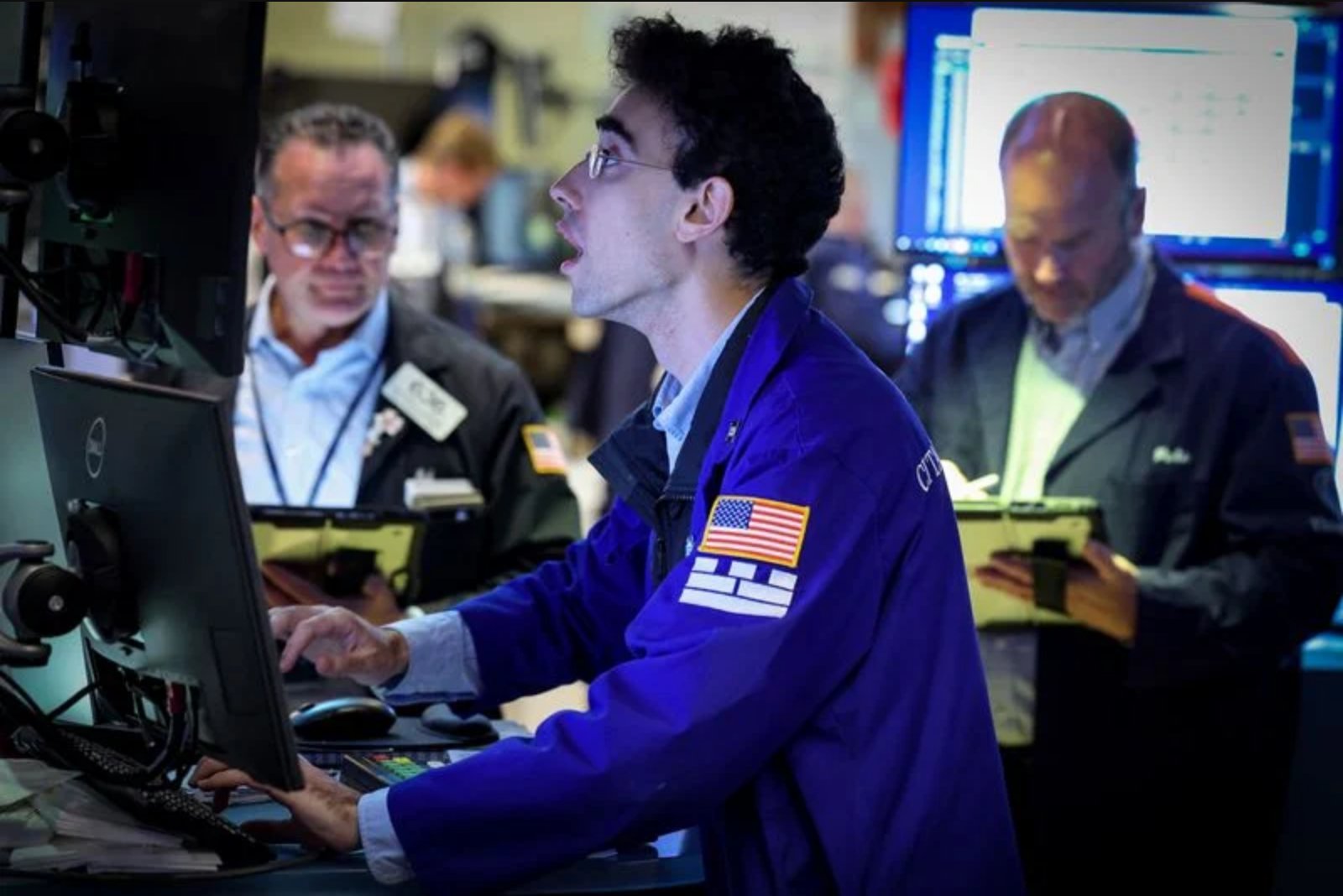
Global financial markets opened the week confronting a cluster of negative drivers - military exchanges in the Gulf, a renewed pickup in headline inflation, rising interest-rate expectations and renewed weakness across chip and broader technology shares.
Headline inflation is once again at 4.2%, even as May's core consumer price inflation reading proved slightly cooler than forecasts. That nuance has been seized on for optimism by some, but the higher overall headline figure is drawing more attention from investors and policymakers. Market participants are also waiting for the May producer price index due today, which will offer another lens on domestic price pressures.
Energy and geopolitics
Oil trimmed earlier gains on Thursday after prices initially jumped in response to another day of tit-for-tat strikes between U.S. forces and Iran. The exchange of strikes pushed tensions in the Gulf to a second consecutive day, pressuring risk sentiment even as prices later eased.
Technology and earnings volatility
The technology sector remains fragile as the market anticipates a major SpaceX initial public offering. Major U.S. equity indices ended the previous session lower after chipmakers extended recent declines. The Philadelphia Semiconductor Index (SOX) slid back by over 3% as the sector's weakness deepened.
Oracle shares plunged about 9% in overnight trading following Wednesday's earnings release, adding to recent post-earnings pressure seen earlier with Broadcom. For Oracle, concern centers on a growing debt load as the company borrows to support its AI infrastructure investments - a dynamic that highlights investor sensitivity to leverage amid rising borrowing costs.
Interest rates and central banks
Markets are braced for a European Central Bank rate rise to be announced on Thursday, a move that had been long anticipated. Commentary is expected to focus on the degree of further tightening the ECB might signal. Given the influence of higher energy costs stemming from Gulf tensions on inflation projections, it is unlikely the ECB will present this as a single, final hike. Market pricing currently allows for as many as two additional ECB moves later in the year.
Looking ahead, central bank attention shifts to next week, when markets will be monitoring an expected Bank of Japan rate move and what is widely anticipated to be a hawkish Federal Reserve meeting. These meetings are set to keep volatility elevated across rates-sensitive assets.
Fixed income and yields
Treasury yields ticked higher after tensions in the Gulf intensified, despite what appeared to be solid demand at Wednesday's 10-year Treasury auction. The rise in yields speaks to a complex interplay between safe-haven flows and concerns about future policy tightening as central banks respond to stickier price pressures.
Kevin Warsh is set to face a challenging first meeting next week - a debut that market participants expect will be difficult given the current mix of geopolitical risk and inflation dynamics.
Chart of the day
The opening of this year’s FIFA World Cup - co-hosted by the United States, Canada and Mexico - coincides with significant logistical and public debate over topics from U.S. visa arrangements to very high ticket prices. One quantifiable economic impact visible so far is elevated vacation rental bookings in host cities, showing some local economic benefit from staging the global tournament.
What to watch today
- U.S. May producer price index - 8:30 a.m. EDT
- Weekly jobless claims - 8:30 a.m. EDT
- U.S. 30-year bond auction - 1:00 p.m. EDT
- European Central Bank interest rate decision - 8:15 a.m. EDT
Before the opening bell on Thursday, futures on Wall Street were trading higher, even as the prior session closed with indexes down amid tech weakness. Investors will be parsing incoming data and central bank signals for fresh clues on the path of interest rates and inflation.
Bottom line
Markets are contending with overlapping challenges: renewed inflationary pressure measured by a 4.2% headline CPI, escalating Gulf tensions influencing energy and risk sentiment, earnings-related shocks in the technology sector, and upcoming central bank meetings likely to reinforce a higher-for-longer interest rate narrative. The May producer price release and the ECB decision are immediate data points that could further shape market direction in the hours ahead.