
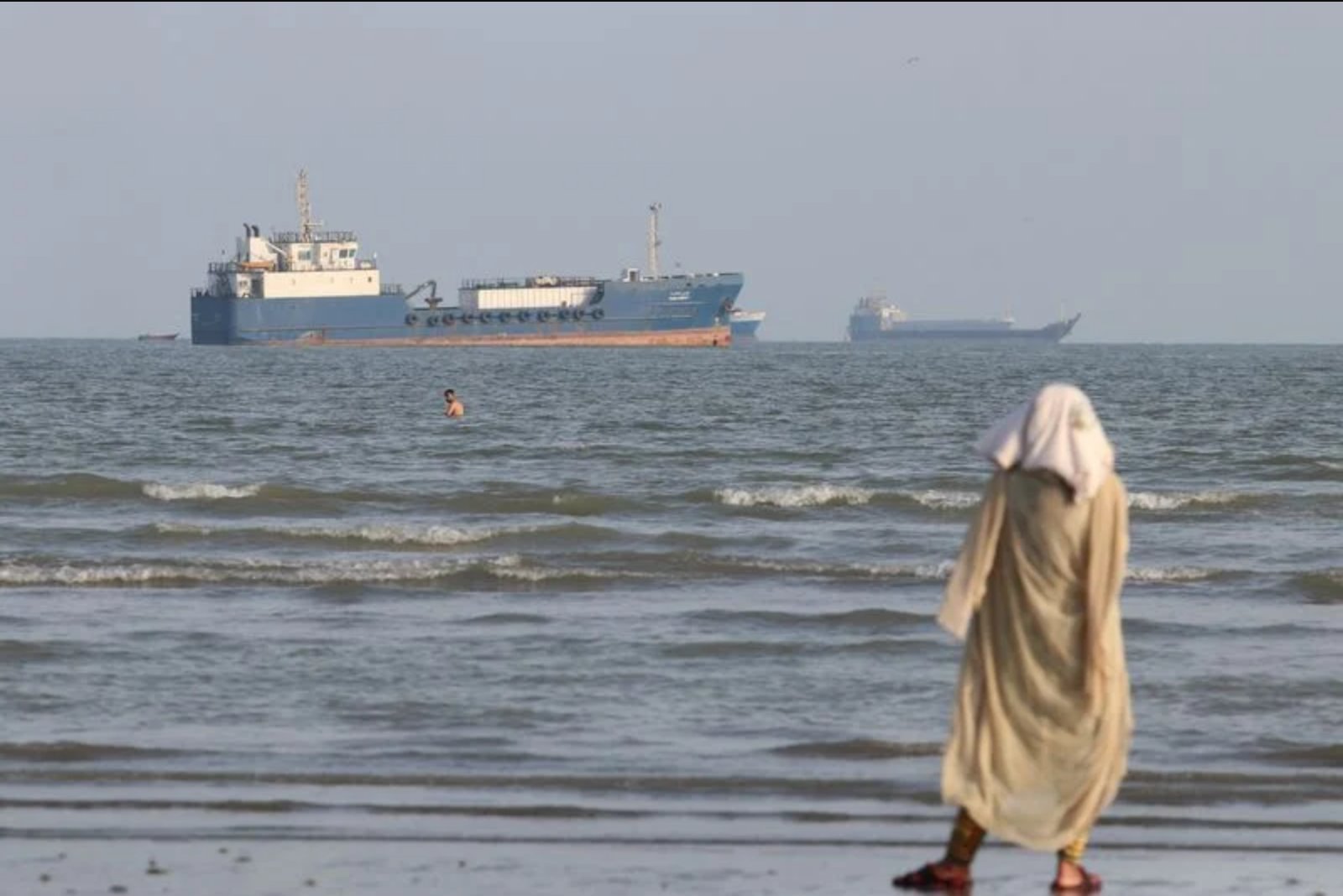
Iran has retooled how it targets shipping through the Strait of Hormuz, adopting new offensive methods and widening the geographic focus of operations as it seeks to sustain upward pressure on global oil prices and to influence the U.S. midterm elections, two senior Iranian officials told Reuters.
Since U.S. and Israeli strikes on February 28, Tehran has sought to exert control over the strait, which prior to the war carried about a fifth of global oil and liquefied natural gas trade. The officials said Iran has been enforcing restrictions on passage and attacking vessels it deems in violation, actions that have sharply curtailed traffic through the narrow waterway and contributed to higher oil prices, even as some ships continue to transit.
Details of the newly adopted approach were not provided, but one official said the change in tactics began about 10 days earlier and had coincided with an increase in attacks on vessels judged to have breached Iran’s restrictions. The official described a shift not only in the type of attacks but also in their tempo, and said a key objective of the change was to influence the outcome of the U.S. vote.
"The aim is to frustrate efforts by the United States and its allies to bring down global oil prices," one of the officials said.
Both officials emphasized that the decision to adopt the altered strategy was made at the highest levels of Iran’s leadership and was executed in a coordinated manner across the ruling system.
A U.S. military official, speaking anonymously, confirmed a specific tactical adaptation attributed to Tehran: after U.S. forces degraded much of Iran’s radar capability, the Islamic Revolutionary Guard Corps has started deploying unarmed spotters in small boats to identify potential targets, including U.S. naval vessels. In a previously unreported episode last week, U.S. forces determined spotters were operating from a dhow and relaying target information to the IRGC. U.S. forces confronted the dhow, ordered its occupants to abandon ship, and then destroyed the vessel; there were no casualties, the U.S. official said.
The U.S. official added that Iran, unwilling to risk its remaining fast boats, had been unable to stop an uptick in oil shipments through the strait, particularly after U.S. strikes inflicted heavy damage on parts of Iran’s navy.
At the same time, the war has taken on a prominent role in U.S. domestic politics. The conflict carries a reported monthly cost of $3 billion and has become a campaign issue in the lead-up to November’s midterm elections, which will determine control of Congress. U.S. President Donald Trump has said he will not launch another attack before the vote as he weighs next steps against Iran.
Washington has continued to press its own measures to constrain Tehran, maintaining a naval blockade of Iranian ports and expanding sanctions in an effort to increase economic pressure and spur a negotiated end to the conflict.
The standoff over the Strait of Hormuz has left global energy markets vulnerable to further disruption. Threats to shipping, together with elevated shipping and insurance costs, have complicated attempts to return traffic to normal levels.
Independent maritime data and reports to the British navy-affiliated United Kingdom Maritime Trade Operations indicate a recent surge in attacks on commercial vessels still using routes through the strait. There were at least five incidents in the past 48 hours involving tankers and other commercial ships in and around the Hormuz area, including drone strikes, according to maritime security sources and incident reports to UKMTO. That pace roughly mirrored the frequency of attacks observed on October 3-5 and points to an escalation, the International Maritime Organization’s reported data showed.
One maritime security source summarized the trend: there is "a tempo increase in strikes, which looks deliberate."
Officials said Iran is also broadening the geographic scope of its operations beyond the Strait of Hormuz. The new strategy, they said, extends to the Gulf of Oman and to waters further afield. Analysis by maritime security firms and UKMTO submissions supports the view that attacks in recent days have occurred outside the traditional Hormuz chokepoint, including areas off the coasts of Qatar and the United Arab Emirates.
"Just when they think they are getting close to the point where prices will fall, we will push them away from it. This is a game of chess," the second official said. "Such vessels would be safe nowhere, even outside the Strait of Hormuz."
Both Iranian officials warned that Tehran is moving toward a posture in which any vessel determined to be in violation of its restrictions would be prevented from transiting the strait. "It will be complete closure soon," one of the officials said.
U.S. and Iranian foreign ministry officials did not immediately respond to requests for comment.
In its latest assessment released on Sunday, the U.S. Navy-led Joint Maritime Information Center said the threat level to merchant shipping in the Strait of Hormuz remained "severe," the second-highest designation. JMIC reported continued IRGC activity, including attacks, attempted attacks, harassment, unmanned aerial vehicle overflights, targeted surveillance of merchant shipping, and occasional VHF hailing.
This evolving set of tactics and geographic expansion by Tehran has produced measurable effects on the shipping environment and on energy market sentiment. The officials’ assertions and the corroborating maritime incident data suggest an intentional campaign to limit the rate at which global oil supplies can normalize, sustaining price support and injecting uncertainty into regional maritime logistics.
Market participants and shipping firms face higher operational costs tied to rerouting, security measures, and insurance premiums as they weigh continued use of the affected sea lanes. Energy market volatility, insurance markets, and sectors tied to maritime transport are directly implicated by the reported uptick in incidents and the prospect of further escalation.