
The International Energy Agency cautioned on Wednesday that disruptions to supply from the Middle East and Russia have tightened global diesel markets to a degree that could persist into 2027, keeping prices elevated and adding to inflationary pressures that depress economic growth.
The agency made the assessment in its monthly report ahead of a meeting scheduled to determine the scale and timing of releases from government emergency stocks intended to calm energy markets. Those deliberations follow a string of supply shocks that have pushed diesel to record highs and stirred both political and economic concern.
Scope of the supply shortfall - The IEA said combined losses of diesel exports from the Middle East and Russia amounted to 1.3 million barrels per day in September. That decline represents roughly 4.5% of the global diesel and gas oil demand the agency expects for the year.
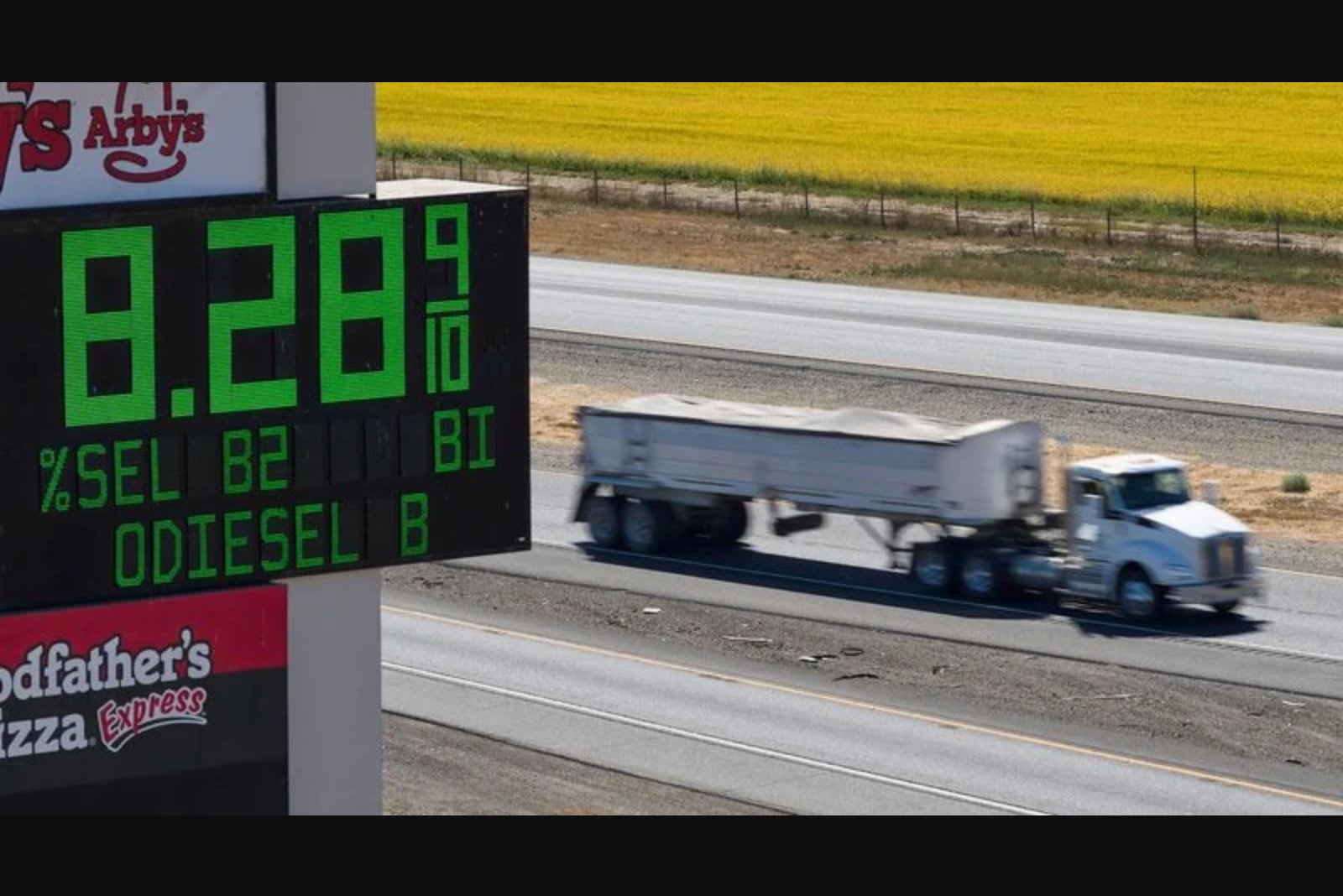
The fuel is widely used across industry, agriculture and road transport, and the agency noted that record diesel prices are already "having broad economic consequences by raising the cost of goods and impacting real incomes, economic activity, and inflation." The report highlighted how these elevated energy costs have become a source of political pressure.
In a further sign of policy strain, the report repeated that the US administration has urged European Union countries to draw down inventories or risk a possible US diesel export ban.
Inventories, refinery runs and emergency stock releases - The IEA said prolonged supply disruptions have drawn inventories down at a time of year when they normally build, eroding the system's remaining buffers. While a partial recovery in global refinery operations expected toward the end of the year should start to rebuild stocks, the agency warned that this recovery will not be sufficient to wipe out the accumulated deficit in middle distillates markets.
The IEA's supply-demand balance shows global gasoil markets remaining tight through the first half of 2027 before easing in the second half. Diesel refining margins - the premium of the fuel over underlying crude - surged to near-record levels in September, reaching almost $95 per barrel as reduced refining capacity hit production.
To counter shortages, IEA member countries had agreed in March to release 400 million barrels from emergency reserves, a pledge later increased to 426 million barrels. About 100 million barrels from that total remain to be released. By the end of September, the pace of those reserve releases had slowed substantially to around 270,000 barrels per day in September, down from an average of about 2.2 million barrels per day over March to June.
Through September, 331 million barrels of the emergency stocks under that agreement had been released. The IEA noted that Europe has yet to release 46 million barrels, the Americas 40 million, and Asia-Oceania 10 million. Of roughly 1 billion barrels held in government stocks by IEA member countries, more than 200 million barrels are diesel. The agency emphasised that drawing down these reserves reduces the buffer available against future shocks.
Market and price indicators - The IEA projected an overall decline in global oil demand of 2.6 million barrels per day in 2026, slightly larger than the 2.5 million bpd decline it forecast the previous month. Diesel is estimated to account for 25% of that reduction. The agency also expects global oil supply to fall by 5.8 million bpd this year but to rebound by 7.7 million bpd in 2027, at which point the market could move back into surplus.
At the time of the report, oil prices were little changed, with Brent futures trading near $105.80 per barrel. Diesel refining margins were reported up about 2% on the day at roughly $85.42 per barrel.
Regional flows and risks to recovery - The IEA reported a notable rise in crude exports from Gulf producers in September, with shipments increasing by 4.4 million bpd to reach about 75% of pre-war levels. Most of that increase - a 3.7 million bpd rise - came from higher shipments through the Strait of Hormuz, lifting flows to 10.9 million bpd, a move attributed to robust ship-to-ship transfer activity in the Gulf of Oman.
However, the agency flagged a renewed risk to recovery in the region. Recent escalations in attacks on regional energy infrastructure and tanker traffic threaten to derail further gains in exports and could perpetuate market disruption.
Implications for markets and policymakers - The IEA's message is that, absent a resolution to the conflicts affecting output in the Middle East, oil markets may face additional volatility in the months ahead before any surplus conditions emerge in 2027. Policymakers and market participants are expected to focus closely on the details of the remaining emergency stock releases - including their pace and any decision to add fresh volumes - as they consider the potential to ease short-term tightness.
For now, the combination of reduced export volumes from key producing regions, slower-than-expected reserve releases, and constrained refining capacity leaves middle distillates markets under sustained pressure, with implications for inflation, producer margins, and sectors dependent on diesel for operations.