
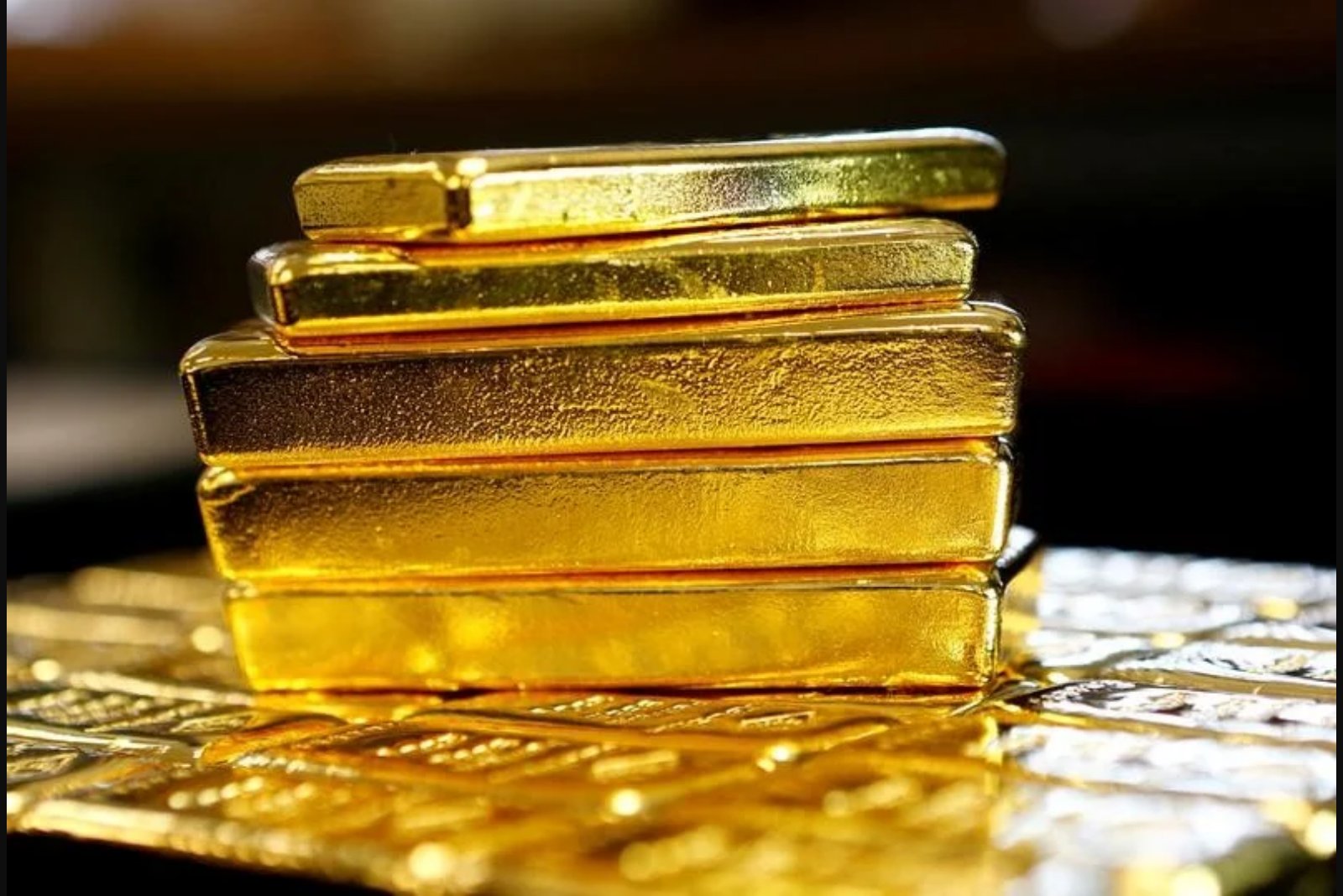
Spot gold traded lower on Thursday following the Federal Reserve's decision to keep interest rates steady, as markets digested limited forward guidance from policymakers and awaited fresh inflation data. At 00:51 ET (04:51 GMT), spot gold was down 0.7% at $4,038.49 an ounce, while U.S. gold futures slipped 0.1% to $4,049.72.
Other precious metals also retreated: silver declined 1.4% to $53.2295 an ounce and platinum dropped 1.4% to $1,520.17. Spot palladium fell 0.7% to $1,009.02, while palladium futures lost 1.1% to $1,002.25. The U.S. dollar Index edged higher to 102.20, adding additional pressure to dollar-priced bullion.
Fed decision and market interpretation
The Federal Open Market Committee voted 10-2 to leave its benchmark interest rate unchanged, a result widely expected by market participants. The statement and accompanying commentary provided only limited clarity about the committee's next steps.
In remarks accompanying the decision, Chair Kevin Warsh noted the Fed could reduce its scheduled policy decisions from eight to six annually starting next fall. That potential change to the policy calendar is among the factors market participants are parsing as they reassess the timing and likelihood of further rate moves.
Near-term catalysts
Traders remain positioned for a potential rate increase in December, in part because persistently high energy prices continue to complicate efforts to bring inflation fully under control. As a result, attention has shifted to Thursday's release of September's personal consumption expenditures (PCE) price index - the Fed's preferred inflation gauge - for fresh clues on how rates might move before year-end.
Market participants are also watching broader equity-market dynamics closely. Last week's AI-driven stock rout prompted some investors to liquidate gold positions to meet losses elsewhere, a dynamic that pushed bullion to its lowest level since July. Gold has fallen 2.5% in October and is on track for a second straight monthly decline.
Demand drivers and medium-term support
Central-bank buying continues to be cited as an important source of longer-term support for bullion. Estimates from Goldman Sachs indicate central banks purchased 79 tonnes of gold in August, nearly five times the average monthly volume recorded before 2022, with China accounting for 25 tonnes of that total.
Rick Kanda, managing director of The Gold Bullion Company, said sustained central-bank demand could help gold appreciate over time or at least create a firm price floor. He highlighted that such purchases add to demand alongside interest rates, investor confidence and geopolitical uncertainty. "However, sustained central bank demand could nevertheless help maintain prices over the long term," he said.
Market implications
Gold's immediate trajectory appears tied to two categories of inputs: incoming inflation data and the health of equity markets. The September PCE reading will be watched for signals that could either reinforce expectations of further Fed tightening or cool them, with direct implications for the dollar and for yield-sensitive assets like gold.
At the same time, spillovers from equity market volatility - in this episode linked to heavy artificial intelligence-related spending and its effects on corporate cash flows - have prompted some repositioning that has weighed on bullion. Those dynamics suggest gold remains sensitive to both macroeconomic data and cross-asset flows.
Data points in this report reflect market levels cited at 00:51 ET (04:51 GMT) and the market commentary and estimates noted in sources referenced by market participants and industry analysts.