
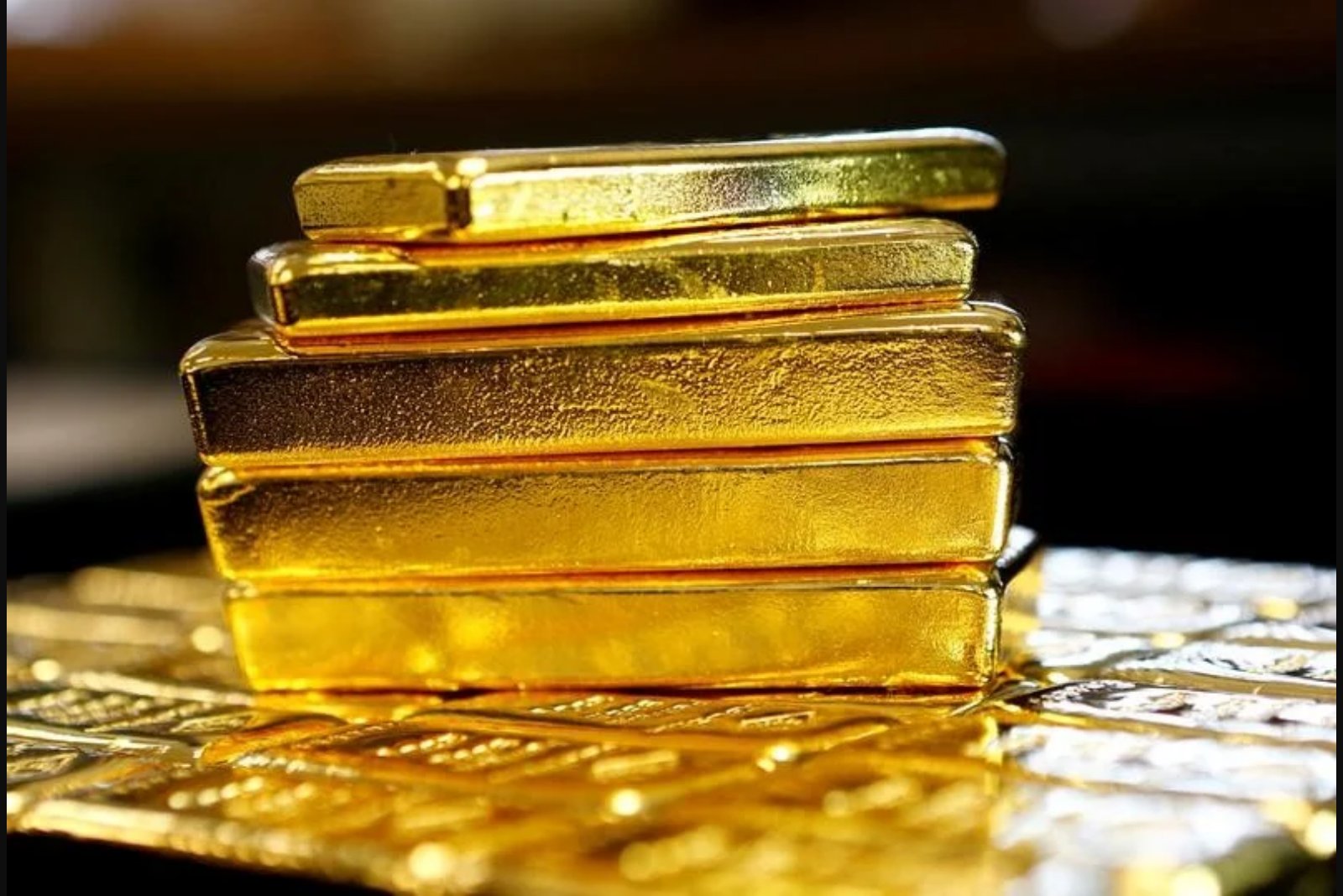
Spot gold moved lower on Tuesday, extending a short run of losses as energy markets pushed crude prices higher and investors weighed the implications for inflation and U.S. monetary policy ahead of the Federal Reserve’s gathering next week.
By 09:40 ET (13:40 GMT) spot gold was down 0.3% at $4,128.19 per ounce, while gold futures slipped 0.3% to $4,148.05 an ounce. The yellow metal had already dropped 0.6% in the previous session and recorded a weekly loss, continuing a modest downtrend into midweek.
Market commentary suggested technical support near $4,100 could be tested again. "[Gold] looks as if it may retest support around $4,100. Bear in mind that if it does, it has broken below this level twice so far this month. But in both cases, the break of support was brief and therefore relatively insignificant," said David Morrison, Senior Market Analyst at Trade Nation, in a note.
Investors are largely focused on whether higher energy costs will keep inflation elevated and force the Fed to sustain restrictive monetary settings for longer. Because gold does not pay interest, its appeal tends to diminish when interest rates rise and the opportunity cost of holding non-yielding assets increases.
Brent crude remained above $110 a barrel on Tuesday, trading around a five-month high amid concerns over possible disruptions to supplies from the Gulf following reported attacks on vessels near the Strait of Hormuz. Yemen’s Iran-aligned Houthi group said on Monday it had carried out strikes targeting Saudi energy, airport and military sites, including an Aramco facility. Those events have heightened risk premia in oil markets and contributed to the recent strength in crude prices.
Federal Reserve officials are widely expected to leave the policy rate unchanged at their October 27-28 meeting. Traders are currently pricing in an 83% probability that rates will be held next week, while the likelihood of a rate increase in December is placed at 94%, according to the CME FedWatch tool. In September, the Fed raised its benchmark rate for the first time in three years, citing the need to rein in inflationary pressures.
A key piece of inflation data, the personal consumption expenditures price index - one of the Fed’s preferred measures of price growth - is scheduled for release later this month, but it will arrive after the Fed’s upcoming policy decision. That timing means policymakers will act on the latest meeting without that fresh PCE reading.
Recent data showed consumer prices rose by more than expected in the previous month, pushed higher largely by a jump in gasoline and diesel costs. Those fuel-driven increases have reinforced concerns that elevated energy prices could complicate efforts to bring inflation back toward the Fed’s 2% target and could influence market pricing around the terminal path of rates.
Outlook: With oil trading near multi-month highs and headline inflation recently surprising to the upside, gold faces pressure from the prospect of higher-for-longer interest rates. Market attention will remain fixed on central bank messaging at the Fed meeting and on the timing of the PCE report, which will provide additional clarity on inflation trends only after policymakers have made their next policy move.