
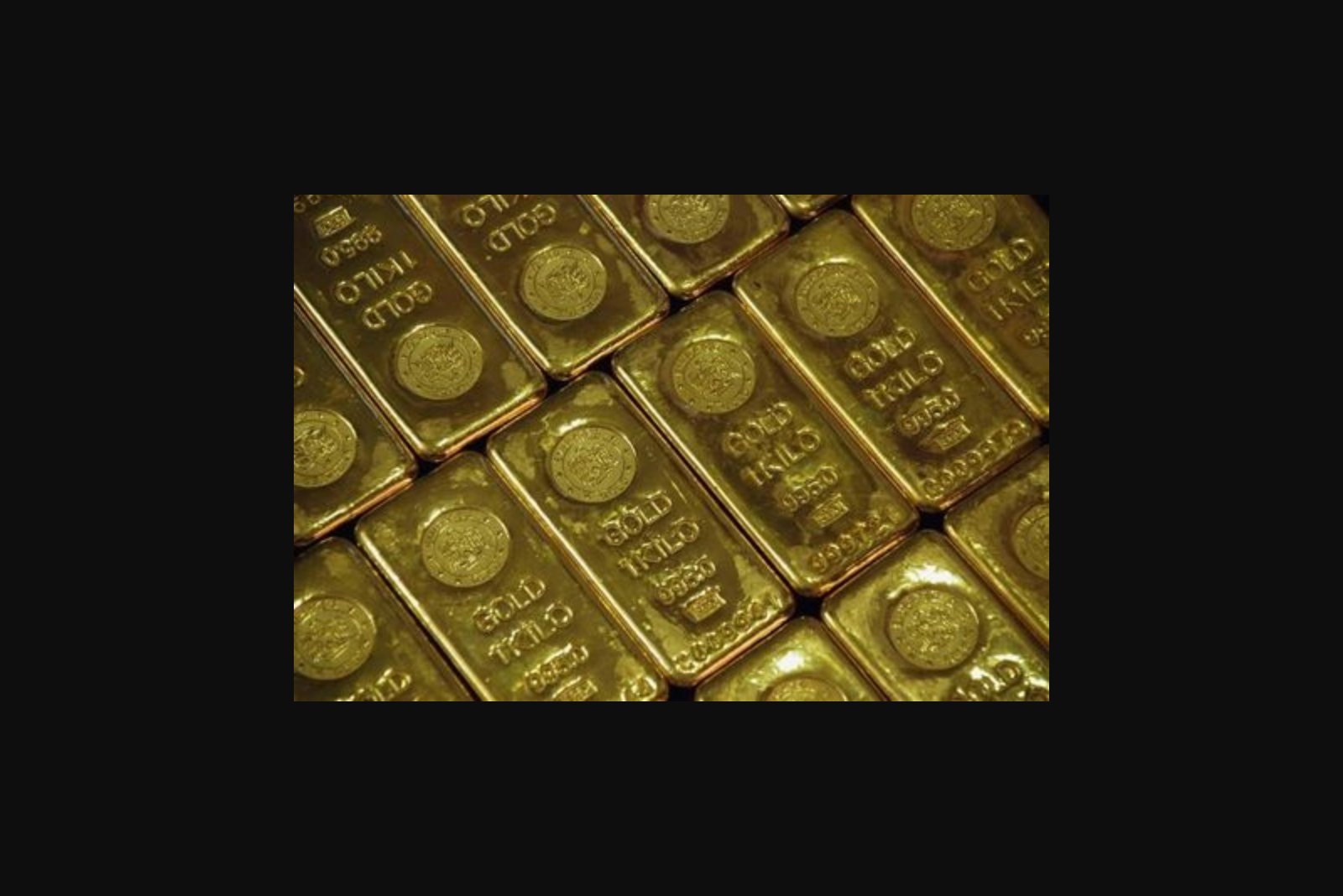
Gold prices staged a rebound on Thursday after a selloff sparked by hotter-than-expected U.S. inflation figures. The moves reflected market recalibration as investors weighed the prospect that the Federal Reserve may have to raise interest rates further to rein in inflation.
At 21:43 ET (01:43 GMT), spot gold (XAU/USD) was trading up 1% at $4,146.48 an ounce, while gold futures climbed 1.5% to $4,167.75. Silver (XAG/USD) advanced 1% to $56.1965 an ounce. Platinum (XPT/USD) increased 0.8% to $1,615.52 and palladium (XPD/USD) rose 1.3% to $1,110.52. The U.S. dollar index eased 0.5% to 102.09.
The rebound followed a sharp pullback earlier in the week that briefly pushed gold more than 1.6% lower and threatened to send prices beneath the $4,000 mark. On Wednesday, gold had traded near $4,105 an ounce. Silver experienced larger immediate losses, carrying around a 6% decline from the prior session before the recovery.
Data from the U.S. Bureau of Labor Statistics showed the consumer price index rose 0.6% month-on-month in September, the fastest monthly gain since April. The report attributed part of the uptick to elevated energy costs that lifted overall inflation.
Following the stronger reading, market participants increased the implied probability that the Federal Reserve will deliver an interest-rate hike at its October meeting to roughly 30%.
Policy reaction and commentary
Federal Reserve Bank of Chicago President Austan Goolsbee called the latest inflation figures discouraging and warned that investment tied to artificial intelligence infrastructure could be contributing to an overheating economy. He said it remains too early to tell whether current interest-rate levels are sufficient to return inflation to the Fed's 2% target.
Investors are looking for further signals from Federal Reserve Chair Kevin Warsh ahead of the central bank's media blackout, which begins on Saturday ahead of the October 27-28 policy meeting. Warsh was scheduled to speak late Thursday New York time at the International Monetary Fund meetings in Bangkok.
Market context
Gold has declined by more than 20% since energy supply disruptions linked to the U.S.-Iran war began exerting upward pressure on global inflation and contributing to tighter monetary policy. That loss in value tracks wider market concerns about how geopolitical-driven energy price volatility and policy responses interact.
Rick Kanda, managing director of The Gold Bullion Company, noted that gold's trajectory in 2027 will hinge on several factors: whether central-bank buying persists, the path of interest rates and the dollar, and whether investors continue to seek safe-haven assets. Kanda also emphasized that any projections should be seen as estimates rather than guarantees.
Implications
- Inflation data and central-bank communications are driving short-term volatility in precious metals markets.
- Movements in the U.S. dollar and shifts in interest-rate expectations are key variables for bullion prices.
- Geopolitical supply disruptions remain an underlying factor that has affected precious metal valuations.