
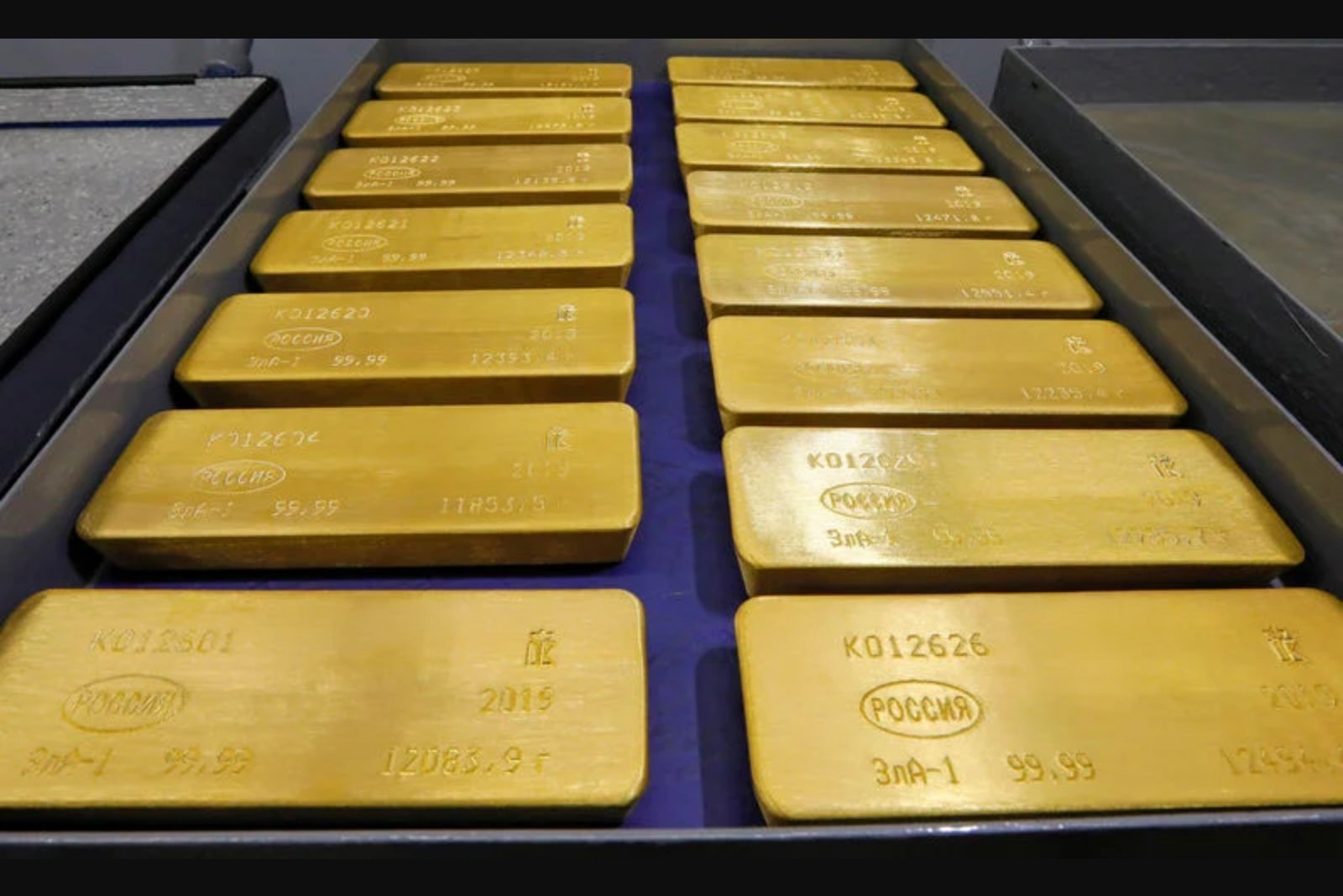
Spot gold closed the session down 0.1% at $4,165.40 per ounce, while nearby gold futures rose 0.4% to $4,186.70/oz. Despite the futures uptick on the day, both contracts finished the week about 0.7% lower.
Market backdrop
Traders in precious metals spent the week assessing the likely direction of U.S. monetary policy after several key inflation releases. The headline U.S. consumer price index rose 3.7% year-on-year in September, while the core CPI - which excludes food and energy - increased 2.6% year-on-year. The headline reading was heavily influenced by a 20.4% year-on-year surge in the energy component of the index.
The Federal Reserve prefers to follow the personal consumption expenditures price index as its primary inflation gauge, but market participants often react strongly to CPI prints when gauging near-term Fed moves. At the producer level, the U.S. producer price index climbed 6.3% year-on-year in September, marking the largest annual increase since December 2022.
Rates, Fed guidance and market reaction
The CPI and PPI reports initially pushed up the odds that the Federal Open Market Committee would deliver a quarter-point rate increase later this month. Those odds eased after comments from Fed Chair Warsh at an IMF and World Bank annual meetings forum in Bangkok. Warsh acknowledged that persistent inflation continues to pose challenges for policymakers globally, while also saying the global economy has been more resilient than he had anticipated. He noted the Fed removed some accommodation at its September meeting but did not provide a clear signal on the next policy step.
José Torres, a senior economist at Interactive Brokers, summarized the tone from voting Fed officials by noting that although the central bank remains focused on quelling inflation, the messaging suggested an increasingly patient and gradual approach rather than an aggressive hiking cycle. That view was reflected in the market-implied odds: the CME FedWatch tool placed the probability of an FOMC rate increase later this month at roughly 17%, down from about 28% the day before.
Lower expected policy rates typically strengthen non-yielding assets such as gold by reducing the opportunity cost of holding bullion. A weaker dollar that often accompanies prospects of lower rates also tends to make gold cheaper for overseas buyers.
Bond market rally supports bullion
Another force limiting gold's losses was a sizable rally in the U.S. Treasury market on Thursday, which sent yields lower. The rebound in government debt came as investors reassessed risk appetites and sought safe-haven exposure. Concerns over extensive corporate borrowing to finance artificial intelligence infrastructure buildouts were cited as one reason government debt regained appeal after a period of underperformance.
Oil, geopolitics and energy policy
Oil prices rose over the week, which capped gold’s declines. Brent crude futures gained 4.8% for the week, while U.S. West Texas Intermediate crude futures jumped 10.9% over the same period.
Supply fears persisted despite reports that most Middle East crude flows have broadly returned to pre-war levels. Elevated tensions included an uptick in Iranian attacks on ships transiting the Strait of Hormuz and intense clashes between Iran-backed Houthi forces and the Saudi Arabia-backed government in Yemen. Those conflicts heightened worries about potential disruptions to flows through the Bab el-Mandeb Strait.
On the policy front, President Donald Trump announced a substantial diesel supply agreement with Russian President Vladimir Putin, a move that drew attention in Washington as diesel supply concerns were highlighted by statements that Ukraine planned to resume attacks on Russia’s energy infrastructure. The diesel pact prompted bipartisan pushback: a group of 18 U.S. Representatives - 17 Democrats and one Republican - introduced legislation seeking to block the deal.
Implications for markets and close
In sum, gold found support from a softer dollar and a significant Treasury bond rally even as higher oil prices restrained its upside. Market participants are continuing to weigh inflation prints and central bank messaging for cues on the near-term path of rates, while geopolitical events and energy policy developments added further complexity to the outlook for both energy and safe-haven assets.
With the probability of an imminent Fed rate increase reduced and U.S. government bonds back in demand, non-yielding metals such as gold may remain sensitive to moves in real yields and to shifts in geopolitical risk that reverberate through energy markets.