
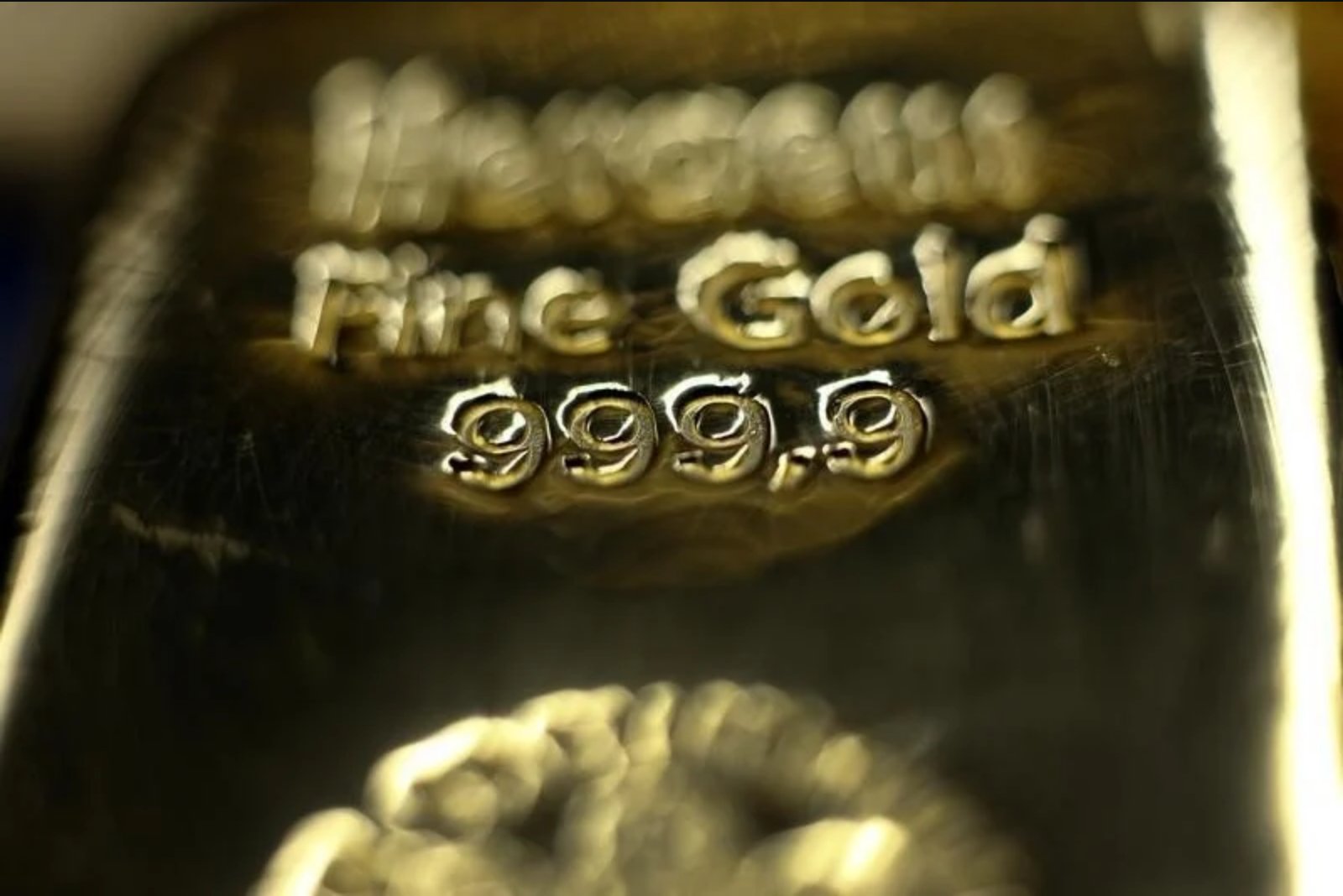
Gold strengthened on Monday as market participants dialed back the probability of an interest-rate rise by the Federal Reserve this month after remarks from Chair Kevin Warsh. At 00:51 ET (04:51 GMT), spot gold was trading up 0.4% at $4,180.29 an ounce, and U.S. gold futures were 0.5% higher at $4,200.92.
Other precious metals also moved higher. Silver increased 1.3% to $57.7300 an ounce, platinum rose 1.3% to $1,655.53, and spot palladium climbed 1.5% to $1,132.74. The U.S. Dollar Index was essentially flat, slipping 0.04% to 101.80.
Bullion had closed the prior week down 0.7%. Traders interpreted Chair Warsh's comments as leaning toward a pause in policy when the Fed meets next week, cutting the implied odds of a quarter-point hike to below 20%.
Last week’s stronger-than-expected U.S. inflation reading had briefly renewed expectations for additional tightening and had supported a firmer dollar. Warsh’s subsequent remarks interrupted that momentum and prompted market participants to reassess the near-term path for rates and currency strength.
Higher borrowing costs typically act as a headwind for gold because the metal does not yield interest. Nonetheless, the market has found support above the $4,000-an-ounce level since August, with safe-haven demand providing a floor after prices entered bear-market territory earlier in the year following a war-driven slump. Gold remains about one-fifth below its level from before the U.S.-Iran conflict that erupted in late February.
Analysts at ANZ highlighted that concerns about fiscal positions and debt sustainability are changing how elevated yields are interpreted - making them appear less like a signal of stronger growth and more like a rationale for holding gold as a hedge. That view underpins a constructive long-term outlook for the metal even as high yields and a robust dollar could impose selling pressure ahead of any sustained rally.
ANZ also noted continued demand for gold from Chinese investors amid weakness in equity and property markets, and cited central-bank activity aimed at diversifying reserves away from dependence on single assets. The bank expects upside for gold to be limited in the short term but projects that prices could move above $5,000 an ounce by 2027, a forecast that hinges on ongoing investment interest and central-bank buying while markets weigh U.S. interest-rate trajectories and dollar direction.
Market takeaway - Comments from a Fed chair that reduce the odds of imminent tightening can lift gold by lowering expectations for higher rates, while macro risks and reserve-diversification trends support longer-term demand.