
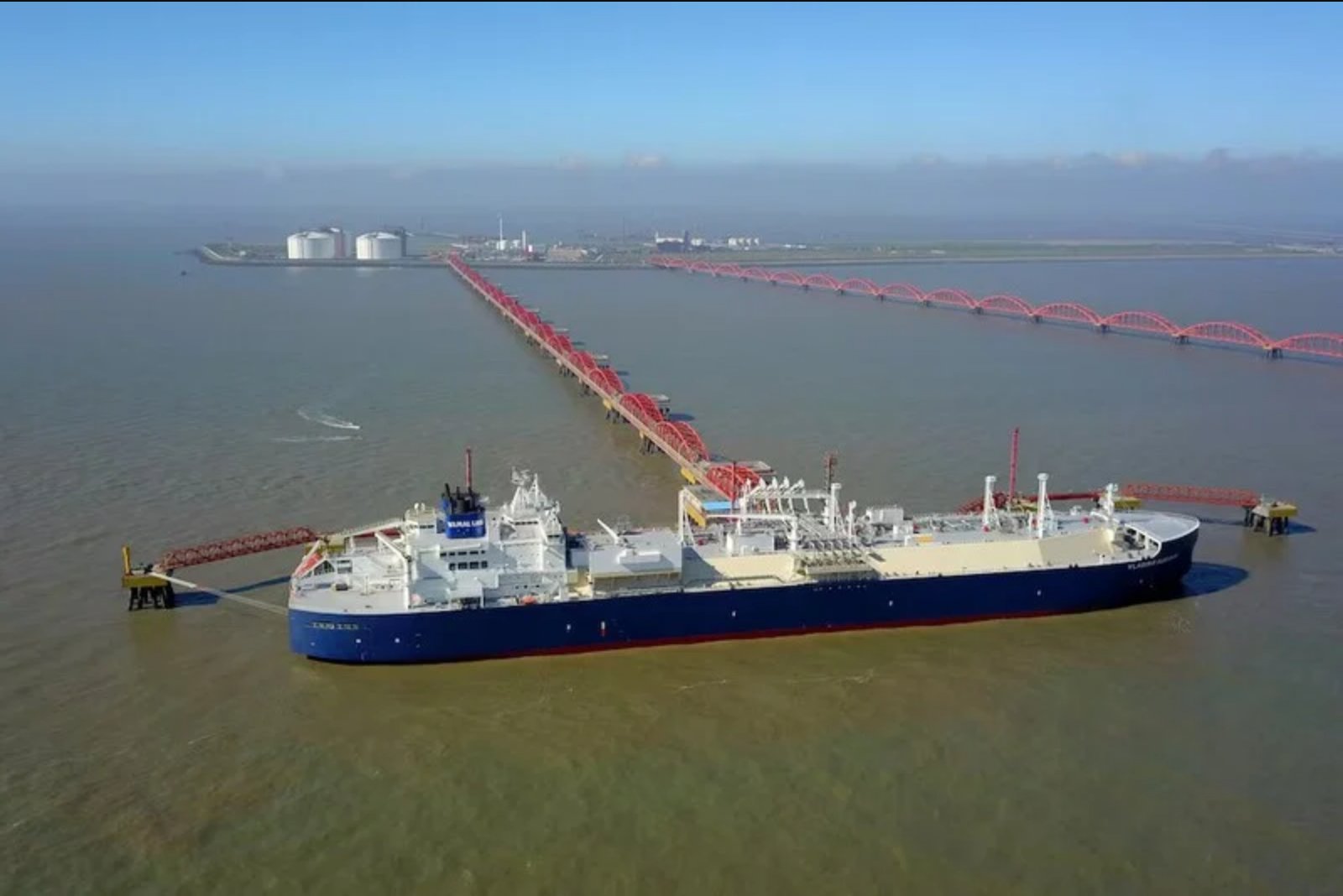
European natural gas benchmarks eased to one-month lows on Tuesday after U.S. President Donald Trump said a preliminary agreement to end the war had been signed by Washington and Tehran. The diplomatic development removed a sizeable geopolitical premium that had pushed prices higher during the conflict.
The Dutch front-month contract fell to 44.23 per megawatt hour, while the British natural gas contract slipped to 100.20 pence per therm. Both contracts were trading near the one-month troughs recorded on Monday.
Markets interpreted the preliminary U.S.-Iran peace accord as easing the immediate risk of supply interruptions tied to the conflict. The three-month hostilities had revived concerns about potential supply-chain blockades and revealed vulnerabilities in European energy infrastructure and logistics.
While the diplomatic breakthrough has offered prompt relief to wholesale gas markets, market participants and analysts warn that the structural weaknesses highlighted by the wartime price spike are not resolved. They say the route to a sustained, orderly market normalization is likely to be long and marked by volatility.
For European consumers and large industrial energy users, the fall in wholesale gas prices provides a welcome respite but does not signal an instant return to low-cost energy. With the continent still in its storage injection season, the extent to which end-user bills and industrial energy costs fall will depend on subsequent developments in global liquefied natural gas traffic and the post-conflict logistics picture.
Market observers note two key factors that will determine whether the recent price relief translates into lasting consumer benefit: how rapidly LNG flows stabilize and whether unusually high demand or lingering logistical disruptions after the conflict create a secondary supply squeeze during the storage refill period.
Market context and near-term drivers
- The initial price reaction reflects a reduced geopolitical risk premium following the announcement of a preliminary U.S.-Iran peace accord.
- European storage is still being refilled, meaning wholesale price moves will feed through to the end-user only gradually and conditionally.
- Global LNG traffic patterns and post-war logistics are key uncertainties that could reintroduce supply pressure.
Overall, the market relief is immediate but fragile; the combination of storage dynamics and external shipping and demand conditions will shape whether the easing persists.