
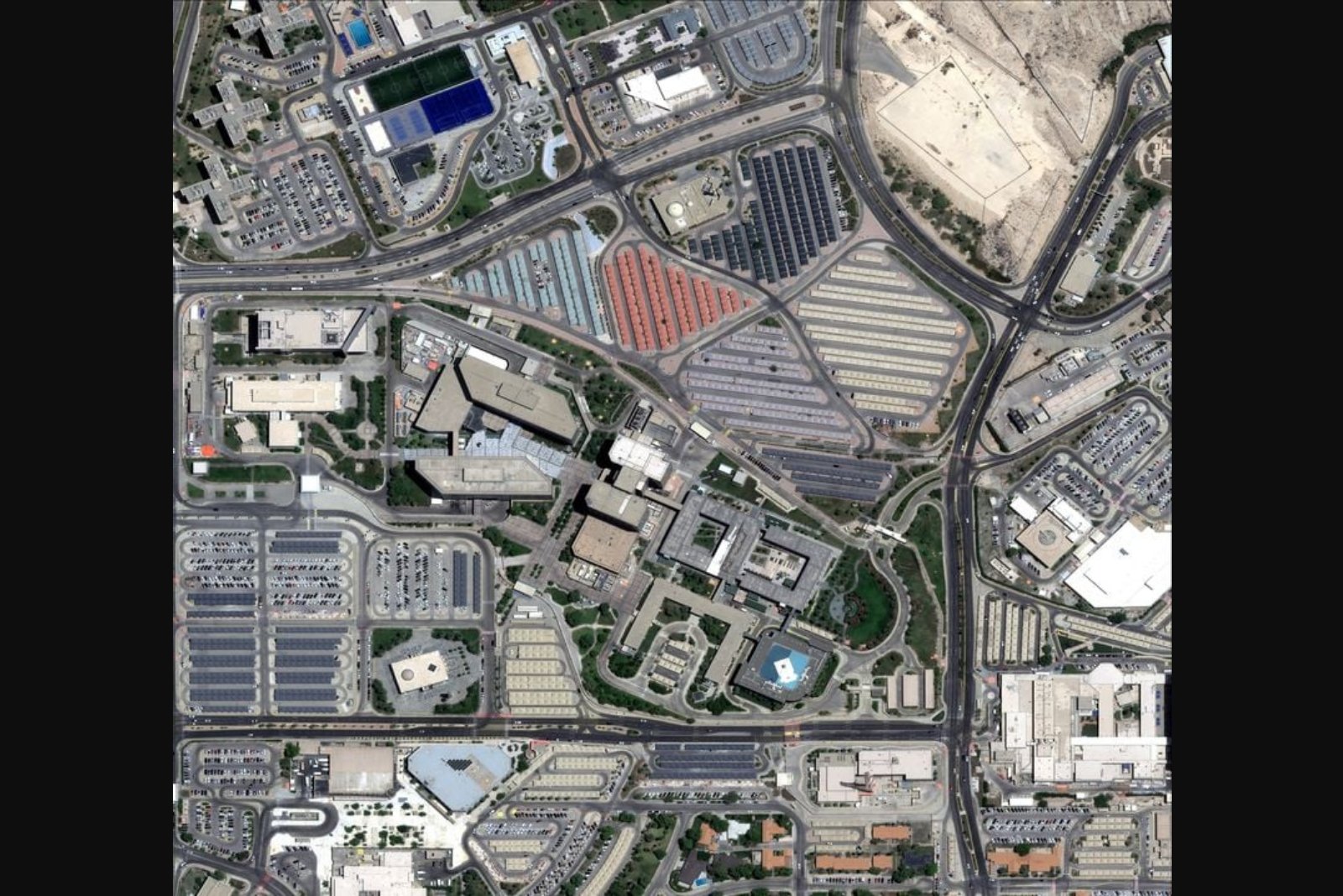
Saudi state energy company Aramco has directed staff to leave its headquarters in Dhahran on the Gulf and carry out work remotely, according to six people with knowledge of the situation. The instruction comes as hostilities between Saudi forces and Yemen’s Iran-aligned Houthi militias have escalated, widening a conflict that has placed strategic maritime routes and energy infrastructure under strain.
Fighting between the Houthis and a Saudi-led coalition supporting Yemen’s internationally recognised government has intensified after the group advanced toward Bab el-Mandeb, the narrow strait that forms a shipping chokepoint at the mouth of the Red Sea. The evacuation notice to Dhahran employees followed a recent series of Houthi attacks on targets inside Saudi Arabia, including strikes aimed at the company and at several airports.
The company did not immediately respond to requests for comment. It was unclear what specific event prompted the evacuation, which would be the first evacuation since the start of the Iran war.
Markets reacted to the news: the kingdom’s benchmark index, TASI, fell 2.5% on Thursday following the Aramco announcement, according to LSEG data. Oil prices rose amid concern that the broader regional escalation could disrupt crude flows from a key exporting region. By 1104 GMT on Thursday, Brent crude futures had climbed $3.06, or 2.81%, to $111.88 a barrel, having reached $112.55 a barrel earlier in the session - the highest level since May 18.
Houthi military spokesperson Yahya Saree said in a televised statement that the group had targeted Aramco facilities in the Red Sea city of Yanbu and the Saudi defense ministry in Riyadh. Saudi authorities did not confirm those specific claims.
Separately, the Saudi-led coalition reported intercepting drones over Riyadh and the holy city of Medina, the latter being geographically close to Yanbu on the kingdom’s western coast. The recent flare-up marks the end of a 2022 UN-brokered truce that had significantly reduced cross-border attacks, and, according to observers quoted in reporting, has opened another front in the US-Israeli war on Iran.
Earlier this month the Houthis struck Aramco’s Dhahran headquarters, causing extensive damage and igniting fires that spread across several floors. Saudi forces have responded with air strikes on missile launcher sites in Yemen and say they have intercepted many ballistic missiles fired by the Houthis.
Saree claimed that Saudi strikes on Yemen have resulted in 562 people killed or wounded since mid-July, the period when the Houthis imposed a naval blockade on the kingdom. That blockade had prompted a warning from the Saudi-led coalition that it would respond "firmly". Saree additionally said the group was assisting a boat carrying 14 Indian nationals that was attacked off Jabal Zuqar island near the strait; he attributed responsibility for that attack to Saudi forces. Saudi authorities did not respond to requests for comment on those assertions.
The conflict has inflicted casualties on the Saudi side as well. A Houthi attack on King Fahd International Airport in Dammam, near Dhahran, on Wednesday evening killed two people - a Saudi citizen and an Indian national - and wounded eight others. Saudi Arabia’s General Authority of Civil Aviation later announced that operations at the airport had resumed and air traffic had returned to normal.
The Houthis have repeatedly warned airlines this month against using Saudi airspace, reflecting a sustained campaign that has included strikes on Riyadh’s international airport and the southern airport of Abha. The pattern of attacks on transport infrastructure, energy assets and key facilities has fed into trader and market concerns about supply interruptions and elevated geopolitical risk premiums on crude prices.
Aramco’s evacuation order and the accompanying market moves underline how local security developments can quickly reverberate through financial markets and global energy benchmarks. The combination of direct strikes on energy infrastructure, attacks on airports that affect personnel and logistics, and threats to maritime chokepoints such as Bab el-Mandeb have together produced the recent spike in oil futures and the drop in Saudi equities.
Context limitations - Some specifics remain unclear in public accounts: the company did not provide a statement explaining the immediate cause of the Dhahran evacuation, and Saudi authorities did not confirm certain Houthi claims regarding attacks on Aramco facilities and inland defense ministry targets.