
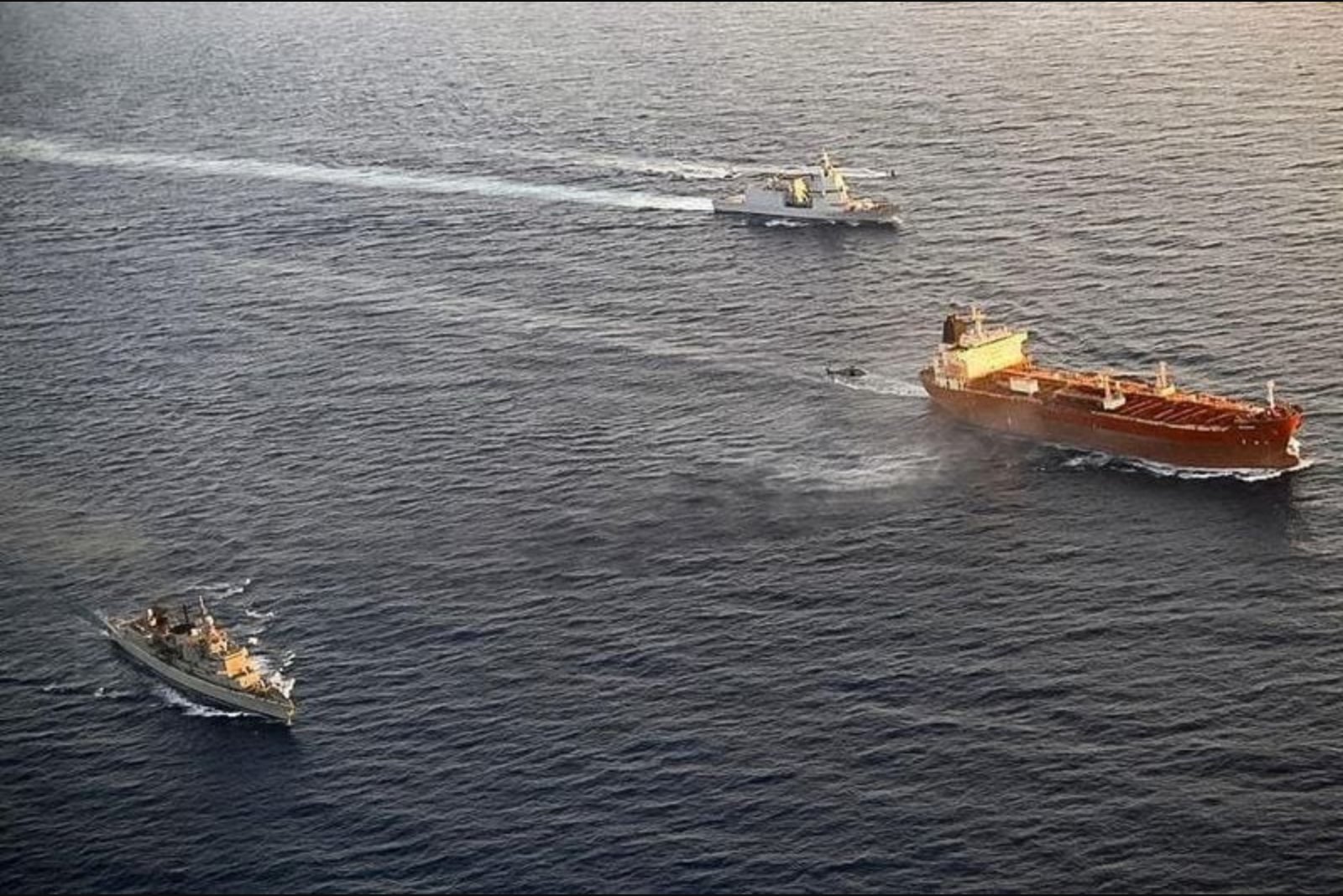
A possible U.S. plan to loosen sanctions on vessels that have moved sanctioned oil would probably do little to meaningfully increase the number of commercially available tankers, industry analysts and traders said on Thursday. While talks in Washington have explored ways to bring shadow fleet ships back into legitimate trade, multiple practical obstacles would prevent a swift or large-scale reintegration.
Ship-tracking firm Kpler warned the measure would be unlikely to alleviate the current tanker capacity squeeze. "Kpler expects the measure to have virtually no impact on the current tanker crisis. The proposal assumes that removing sanctions will translate into additional commercially available capacity. In practice, the relationship is far more complicated," the company said.
Recent jumps in tanker charter rates have been driven by attacks at sea, rising war-risk insurance premiums and more complicated routes to move oil around the Strait of Hormuz, all of which have reduced the pool of ships readily available for hire. Even if some sanctions were lifted, Kpler and other market participants say the shadow fleet faces hurdles that would limit its appeal to mainstream charterers.
Kpler tracks about 160 supertankers currently under U.S. sanctions, representing roughly 22% of the commercial supertanker fleet. Of those vessels, around 46 - or 27% - are more than 20 years old. When older tonnage and vessels owned by Iran's National Tanker Company are excluded, Kpler estimates only about 24 ships could realistically rejoin global trade.
Age and questions about seaworthiness are not the only constraints. Many shadow fleet vessels lack a class certificate - an independent inspection attesting that a ship and its systems meet technical, safety and environmental standards. Insurers typically require such certificates before providing coverage. Without credible global insurance, or if insured only by entities created to serve shadow fleet operators, the ships remain commercially problematic.
"Companies are unlikely to charter tankers that were recently under sanctions as significant risks remain in dealing with vessels," said David Tannenbaum, director of sanctions consultancy Blackstone Compliance Services and a former U.S. Treasury sanctions specialist. "For tankers engaged in Russian trade, EU sanctions still exist while for those engaged in Iranian trade, there is still a lot of liability as the ships were sanctioned for supporting a terrorist organization."
Tannenbaum added that vessels sanctioned for trading with Venezuela have often also been involved in Iranian voyages, further complicating their eligibility to rejoin standard commercial operations.
A U.S. official familiar with the discussions, speaking on condition of anonymity, described options under consideration, saying: "There have been discussions regarding lifting sanctions on dark fleet tankers on an individual basis to allow them to transfer ownership to legitimate operators and move more non-sanctioned oil. This would lower shipping rates and increase flows."
Even with political will, however, the logistics of returning a shadow fleet tanker to mainstream use are lengthy. Tannenbaum noted that securing the necessary licenses to repossess or sell such ships can take months or even years, limiting how quickly any policy change could ease supply pressures.
The U.S. Department of Energy indicated that any action to relax restrictions on these vessels would not assist Russia in moving oil or oil products.
Insurance, maintenance and operational barriers
Traders emphasize that insurance costs for shadow fleet vessels tend to be significantly higher because many of the vessels are poorly maintained and operate through conflict-prone waters. Shadow fleet coverage is often arranged through organizations tailored to those operators rather than through mainstream global insurers, raising further questions about coverage breadth and claims handling.
Those structural insurance and maintenance weaknesses mean many charterers would remain reluctant to employ former shadow fleet vessels even if U.S. sanctions were eased.
Market reaction
News that the U.S. was considering sanctions relief for dark fleet ships triggered moves in freight markets. Forward freight agreements - contracts that allow traders to take positions on future freight rates - fell on the reports. Rates to hire an Aframax vessel, capable of carrying up to 750,000 barrels of oil, from the U.S. Gulf Coast to Europe dropped 30 points, said Scott Shelton, an energy specialist at TP ICAP.
Freight cost changes also affected crude pricing spreads. The narrowing of shipping expenses reduced the discount of U.S. West Texas Intermediate crude to global benchmark Brent to about $10.42. Earlier in the week high shipping costs had widened the discount to $14.17, the largest in over five months, and had weighed on U.S. export competitiveness.
Conclusion
While Washington's discussions aim to find ways to increase shipping capacity and ease fuel price pressures, analysts and traders caution that lifting U.S. sanctions on a subset of previously sanctioned tankers would face material practical and legal limits. Age, lack of certification, unresolved insurance and crewing arrangements, and remaining sanctions from other jurisdictions mean that only a small fraction of vessels could rapidly re-enter mainstream trade even if the United States removed its restrictions.