
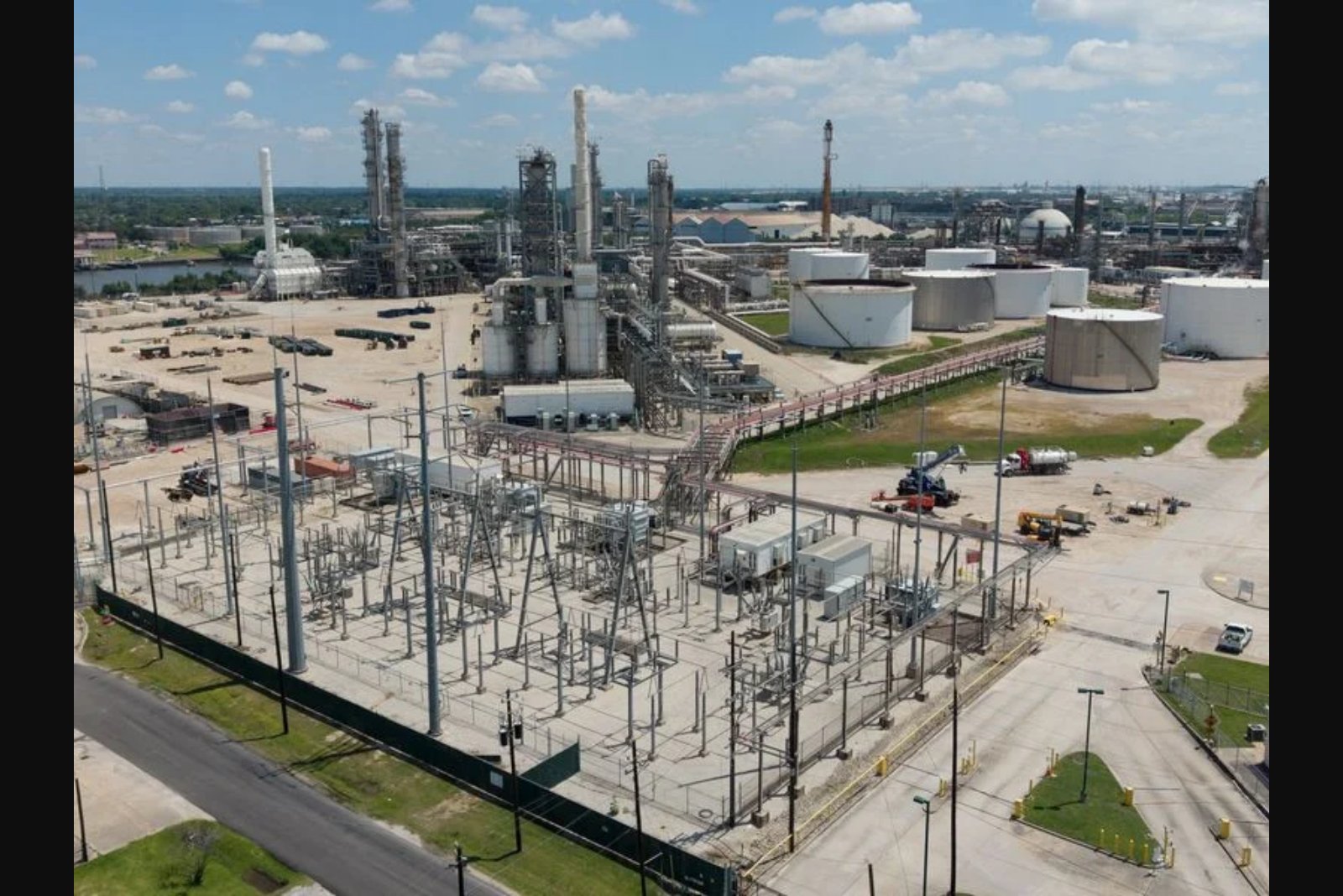
President Donald Trump has issued a presidential memorandum formalizing a determination that petroleum production, refining and allied activities are essential to national defense. The memo invokes a portion of the Defense Production Act - a statute dating to the Cold War - to permit the provision of financial incentives for oil-related operations, pipelines and storage of liquid fuels.
The text of the memo states that absent those actions the United States is not able to supply a sufficient level of those energy services in a timely manner because of constrained financing, long lead times, permitting and infrastructure bottlenecks, and supply chain limitations. The memorandum does not name any specific projects that could receive funding under the declaration.
Energy markets have experienced a sharp rise in crude oil and diesel prices since the joint US and Israeli strike on Iran at the end of February, according to the information in the memo. Those price increases have been compounded by reductions in available fuel shipments globally, with Ukrainian attacks on Russian refineries cited as an additional factor limiting fuel availability.
The administration has framed the action as a response to logistical and capital constraints that can delay capacity additions or upgrades. By designating petroleum operations as critical to national defense, the administration opens a path to deploy DPA authorities - including financial incentives - aimed at accelerating projects related to production, refining and downstream storage and transport.
Last week Vice President JD Vance publicly stated the administration would use the Defense Production Act to expand the capacity of a Texas refinery owned by Delek US Holdings. The memo itself does not reference that project specifically.
The timing of the presidential determination coincides with political sensitivities around rising fuel costs. An opinion poll that closed Monday showed just 36% of Americans approve of the president's handling of the economy. The surge in fuel prices is noted in the memo as a political and economic risk as the administration and its congressional allies approach the November 3 elections.
The memo also highlights a recent baseline for US crude production: the country averaged roughly 13.6 million barrels per day of crude in 2025, making it the world's largest crude producer. Even with that production level, the administration asserts additional measures are needed to ensure timely delivery of energy services in the face of financing, permitting and supply chain challenges.
Separately, legislation signed last year included $1 billion in Defense Production Act funding intended for energy-related projects judged critical to national security. The current memorandum positions the administration to make use of DPA authorities where officials determine them warranted.
Analytical note - The memorandum is administrative rather than project-specific. It identifies financing, permitting and supply chain constraints as the key impediments to timely expansion of energy-related capacity and enables the executive branch to apply DPA financial tools to address those constraints where chosen.