
A federal jury in Virginia on Wednesday found an Afghan national guilty of conspiring to provide material support to a terrorist group in connection with the 2021 suicide bombing at Kabul airport that claimed the lives of 13 U.S. service members and about 160 Afghan civilians.
The defendant, Mohammad Sharifullah, was convicted on the material-support charge, but jurors could not reach agreement on whether his actions directly caused the deaths in the attack. That deadlock removed the possibility of a life sentence for Sharifullah, though he continues to face up to 20 years behind bars under the conviction.
U.S. District Judge Anthony Trenga did not set a date for sentencing immediately following the verdict.
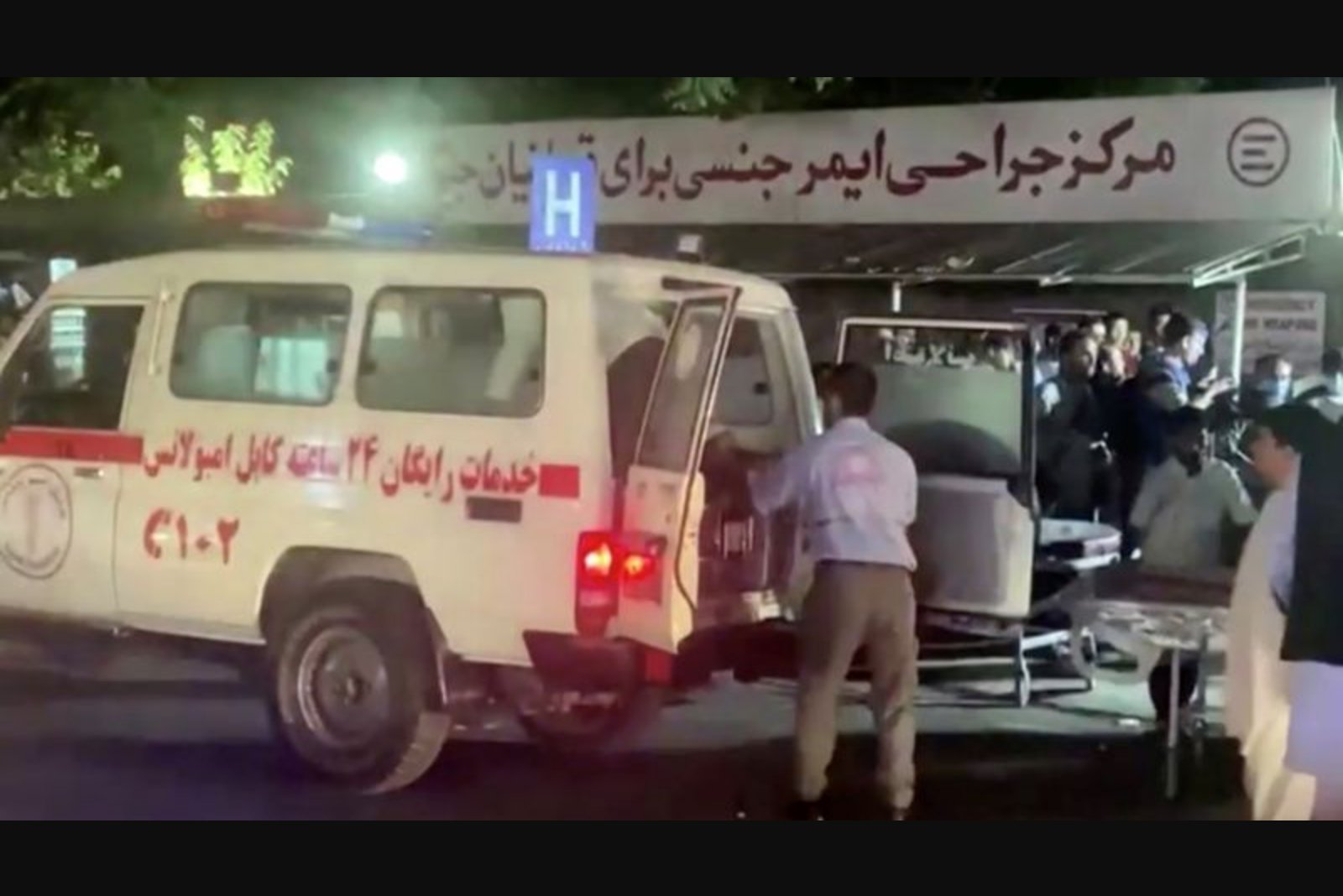
The bombing occurred on August 26, 2021, during large-scale evacuations as U.S. forces were withdrawing from Afghanistan. At Abbey Gate, a suicide attacker detonated an explosive vest, killing 11 Marines, one Navy corpsman and one Army soldier, as well as an estimated 160 Afghan civilians.
Federal prosecutors told the jury that Sharifullah assisted the Islamic State group’s Afghanistan affiliate, known as ISIS-K, by performing reconnaissance and helping to facilitate communications in the lead-up to the attack. In contrast, defense attorneys argued the government’s case rested too heavily on statements their client made during FBI interrogations and contended that authorities failed to independently establish his involvement in the bombing.
The trial represents the first U.S. criminal prosecution tied to the Abbey Gate attack. The episode has remained politically charged and continues to influence debate over the manner in which the Biden administration carried out the withdrawal from Afghanistan.
Authorities said Sharifullah was arrested in Pakistan, near the Afghan border, early in President Donald Trump’s second term, in an operation conducted by Pakistani security forces in coordination with the FBI and CIA.
Case status and next steps
With the jury's split on causation, Sharifullah has been spared exposure to a life sentence but faces a statutory maximum of 20 years for the conviction on material support. The court has not announced when sentencing will occur.
Stakes and context
The prosecution and defense presented sharply differing narratives at trial: prosecutors asserted operational support to ISIS-K, while defense counsel challenged the evidentiary reliance on the defendant’s interrogation statements and pressed that independent proof was lacking.