
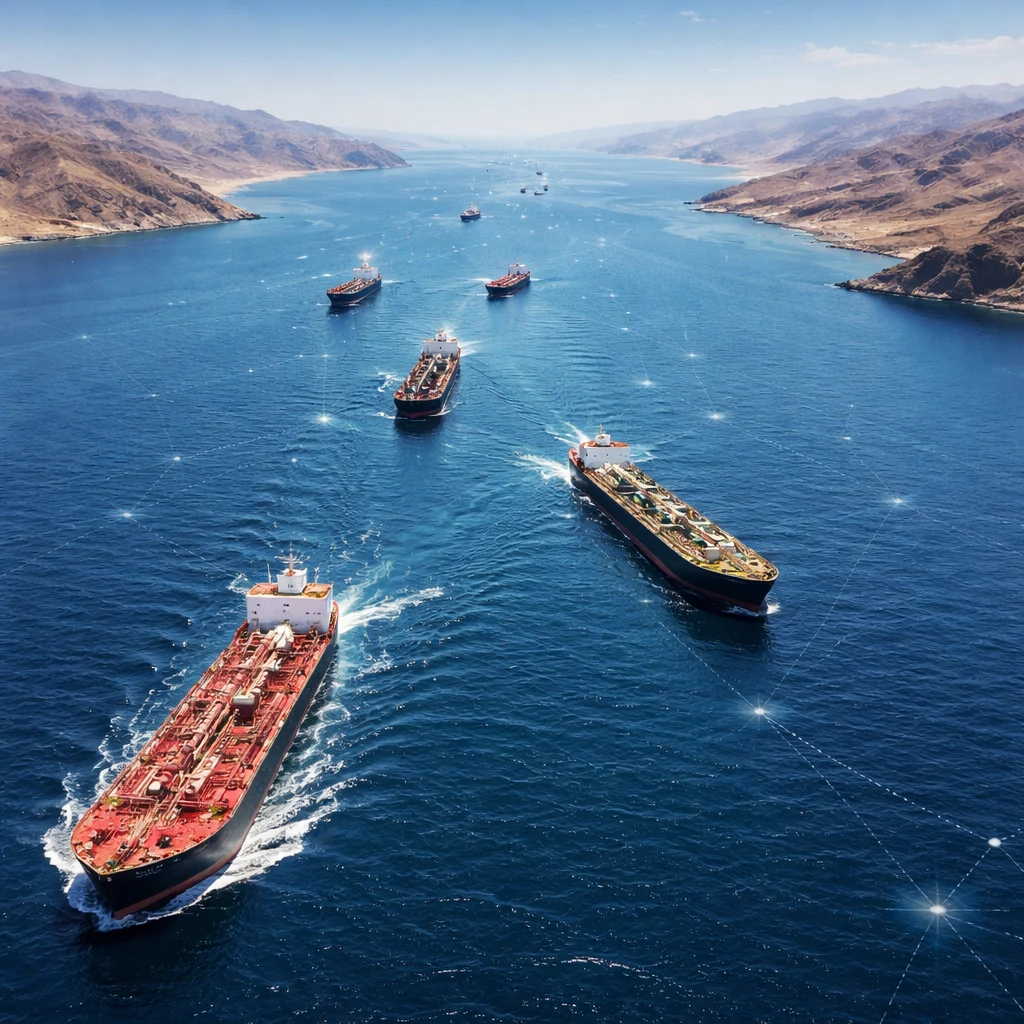
At least six ships navigated the Strait of Hormuz in the most recent 24-hour period, shipping databases and satellite analysis showed on Wednesday, leaving passage volumes well below historical norms as diplomatic talks between the United States and Iran have failed to reach a resolution to restore normal traffic.
Data compiled by Kpler and corroborated with satellite imagery from SynMax indicate the vessels moved primarily through Iranian territorial waters. Among the transits was the chemical tanker Vast Plus, which is listed under US sanctions. The majority of the identified vessels were dry bulk carriers.
Recent daily traffic has averaged roughly seven vessels, a marked decline from the 125 to 140 daily passages recorded before the onset of the Iran war on February 28. That contrast illustrates the scale of disruption to maritime movement in the narrow waterway at the entrance to the Gulf.
On the diplomatic front, President Donald Trump urged Iran on Wednesday to sign a deal, following several days of stalemate in efforts aimed at ending the conflict. Separately, a media report indicated that the United States would extend a blockade of Iran's ports, a development that would affect the dynamics of shipping in the Strait.
The Strait of Hormuz serves as a critical maritime channel at the Gulf's entrance. The reduced number of transits in recent days reflects the ongoing uncertainty surrounding access and the fragile status of negotiations between the two countries. Publicly available ship-tracking and satellite sources provided the transit counts and vessel identification referenced above.
Limited by the available reporting, the record shows the small number of crossings and the involvement of at least one sanctioned vessel, while official statements about operational details and future arrangements have not been reported in the sources cited here.