
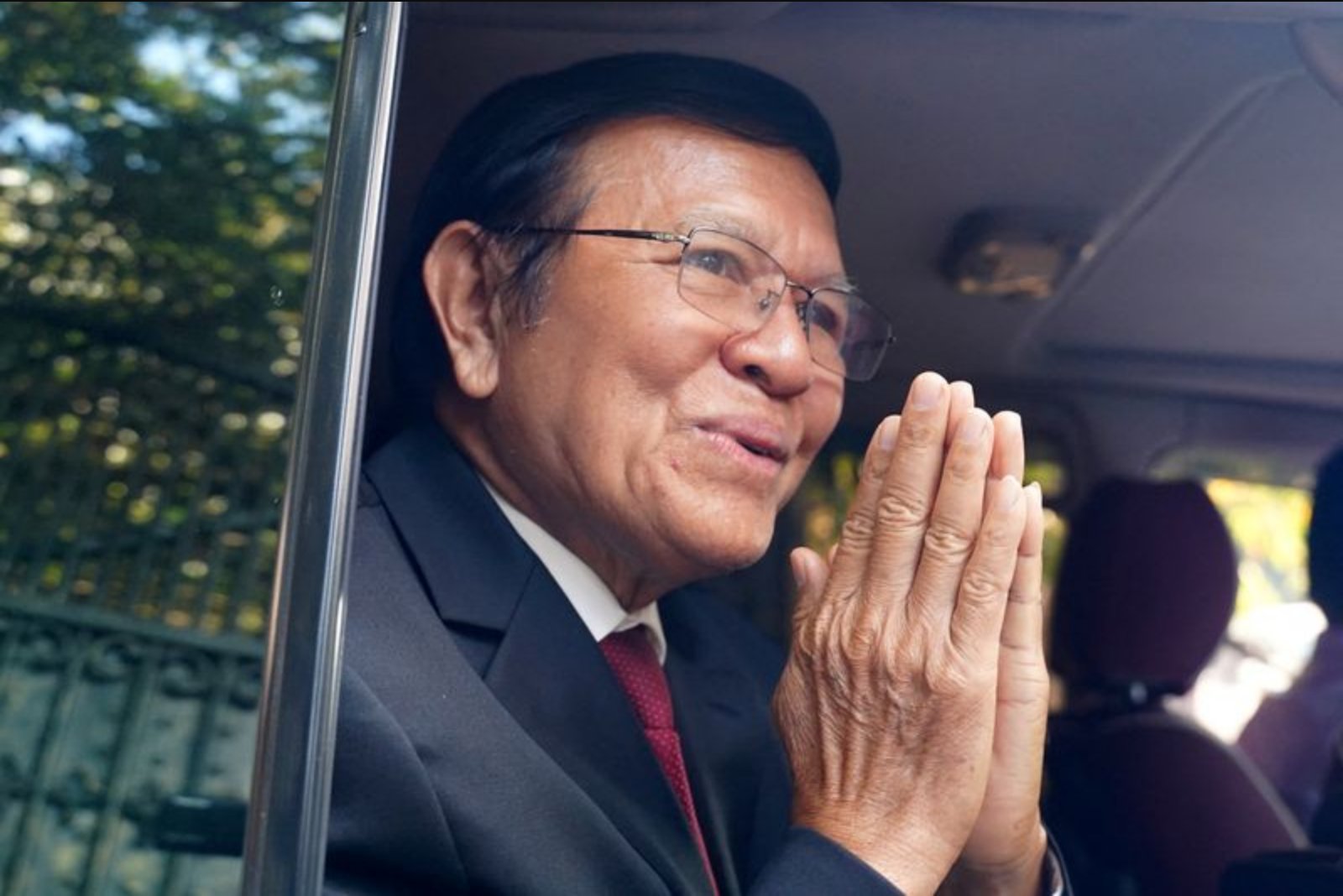
Summary: The U.S. government said it was "troubled" by a Cambodian appeals court decision that sustained a 27-year prison sentence for Kem Sokha, a central figure in a dismantled opposition movement. The ruling arrives amid an extended government campaign against political opponents that has included mass trials and numerous convictions.
Decision and context
On Thursday, an appeals court in Cambodia upheld the 27-year sentence imposed on Kem Sokha for treason. The State Department publicly described the decision as troubling, reiterating earlier criticisms about the basis for the conviction.
Kem Sokha, now 72, is a co-founder of the defunct Cambodia National Rescue Party. He has been confined to house arrest since his March 2023 conviction on treason charges. Authorities accused him of conspiring with a foreign power to overthrow then-premier Hun Sen; that allegation was central to the verdict against him.
U.S. response
In its statement, the State Department said: "The United States is troubled by the decision to uphold activist and opposition leader Kem Sokha’s conviction of treason." The statement also declared that "claims of U.S. involvement are patently false and irresponsible."
The department further warned that "limiting the exercise of freedom of expression and association hinders Cambodia’s international standing," linking the legal developments to broader concerns about civil liberties.
Broader crackdown and international reaction
Observers and Western governments have condemned a series of mass trials in Cambodia that have implicated more than 100 opposition figures. Many of those cases resulted in convictions in absentia on charges including treason and incitement, part of what critics describe as a sustained campaign against the main opposition party.
Kem Sokha’s prosecution has been among the most visible elements of this campaign, and his treatment has drawn repeated international scrutiny. Activists have highlighted the scale of prosecutions and the number of opposition members affected.
Additional notes on criticism of Washington
The statement and the broader discourse around freedoms in Cambodia were presented alongside a mention that Washington itself has faced criticism from human rights experts and advocates. Those critics point to concerns about due process and free speech in the context of policies under President Donald Trump related to universities, immigration and actions toward political opponents. The same critics have characterized aspects of that administration’s foreign policy approach as imperialist and abusive.
Reporting in this piece is limited to the information contained in official statements and widely reported developments concerning the court decision, the status of Kem Sokha, and related international responses.