
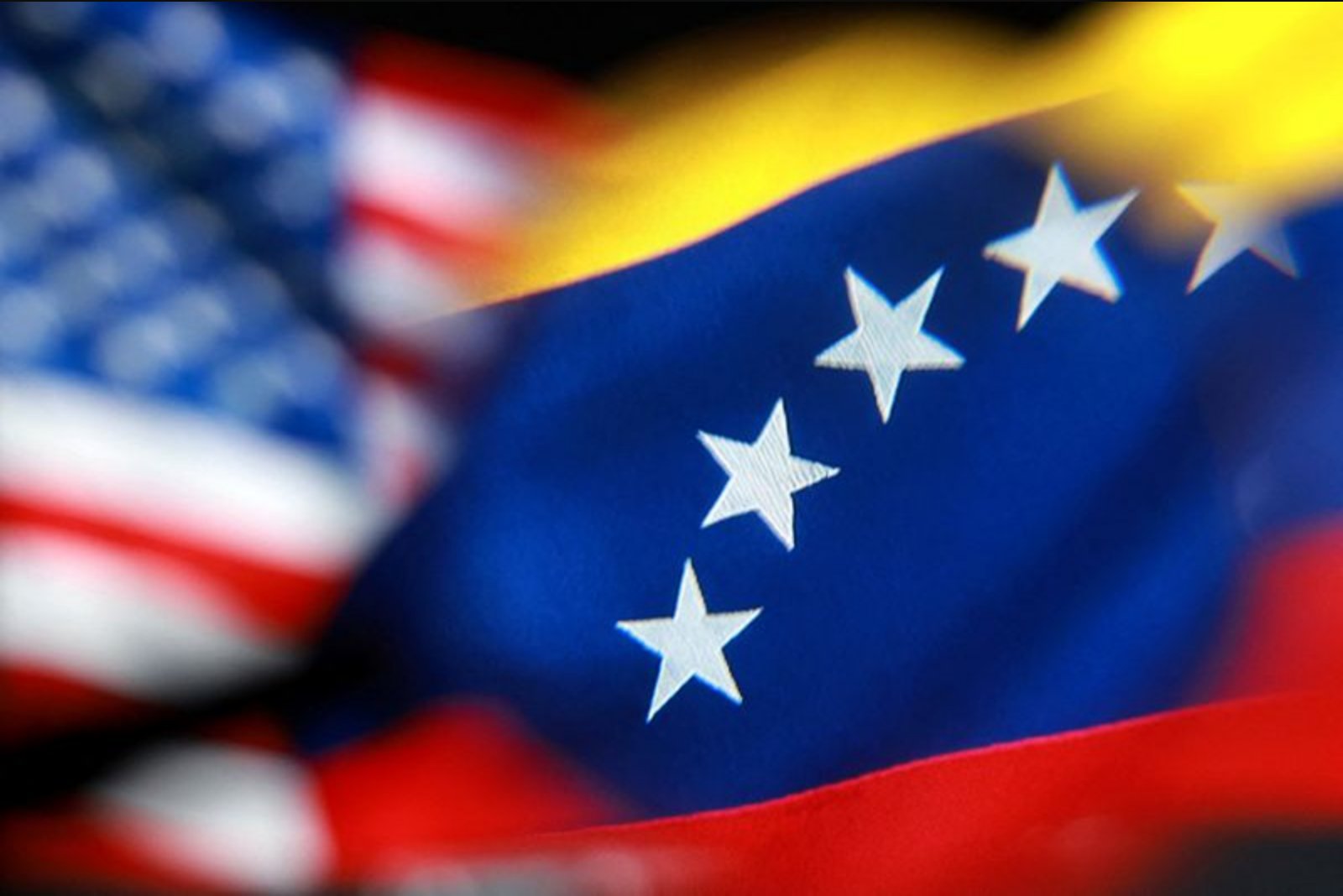
The United States and interim authorities in Venezuela have agreed to re-establish diplomatic and consular relations, the U.S. State Department said in a statement on Thursday. The department said the renewed relationship is oriented toward creating the conditions for a peaceful transition to a democratically elected government.
State Department statement
In its announcement the State Department said, "This step will facilitate our joint efforts to promote stability, support economic recovery, and advance political reconciliation in Venezuela." The department added, "Our engagement is focused on helping the Venezuelan people move forward through a phased process that creates the conditions for a peaceful transition to a democratically elected government."
Recent developments
The statement comes after a period of elevated tensions between the two countries. According to the account provided in the State Department statement, the U.S. captured Venezuela’s President Nicolas Maduro in January. That event was followed by a series of changes in Venezuela, including the swearing-in of interim President Delcy Rodriguez. Since those events, the United States and the interim Venezuelan authorities have been gradually resuming bilateral relations.
Policy focus and stated goals
The State Department framed the restoration of diplomatic and consular links as a pragmatic step to support broader objectives named in its statement: promoting stability, supporting economic recovery, and advancing political reconciliation. The department emphasized the phased nature of its engagement, describing efforts as aimed at creating the specific conditions for a peaceful transition to a democratically elected government.
Implications and outlook
While the statement outlines the U.S. goals, it also reflects an incremental approach to bilateral engagement. The re-establishment of formal relations is presented as a tool to enable joint work on stability, economic recovery and reconciliation, with the stated end point of facilitating a phased, peaceful handover to a democratically elected government. The pace and durability of these arrangements were not detailed beyond the description of gradual resumption of relations.
Key takeaways
- The U.S. and interim Venezuelan authorities have agreed to re-establish diplomatic and consular relations, according to the U.S. State Department.
- The State Department said the move is intended to promote stability, support economic recovery and advance political reconciliation through a phased process aimed at creating the conditions for a peaceful transition to a democratically elected government.
- These developments follow months of heightened tensions, including the U.S. capture of President Nicolas Maduro in January and the swearing-in of interim President Delcy Rodriguez; bilateral relations have been gradually resuming since then.
Risks and uncertainties
- The statement describes a phased process but provides limited detail on the timeline or concrete steps, leaving the pace and outcome of the transition uncertain.
- The recent history of heightened tensions and the events in January indicate potential for further political volatility as relations are rebuilt.