
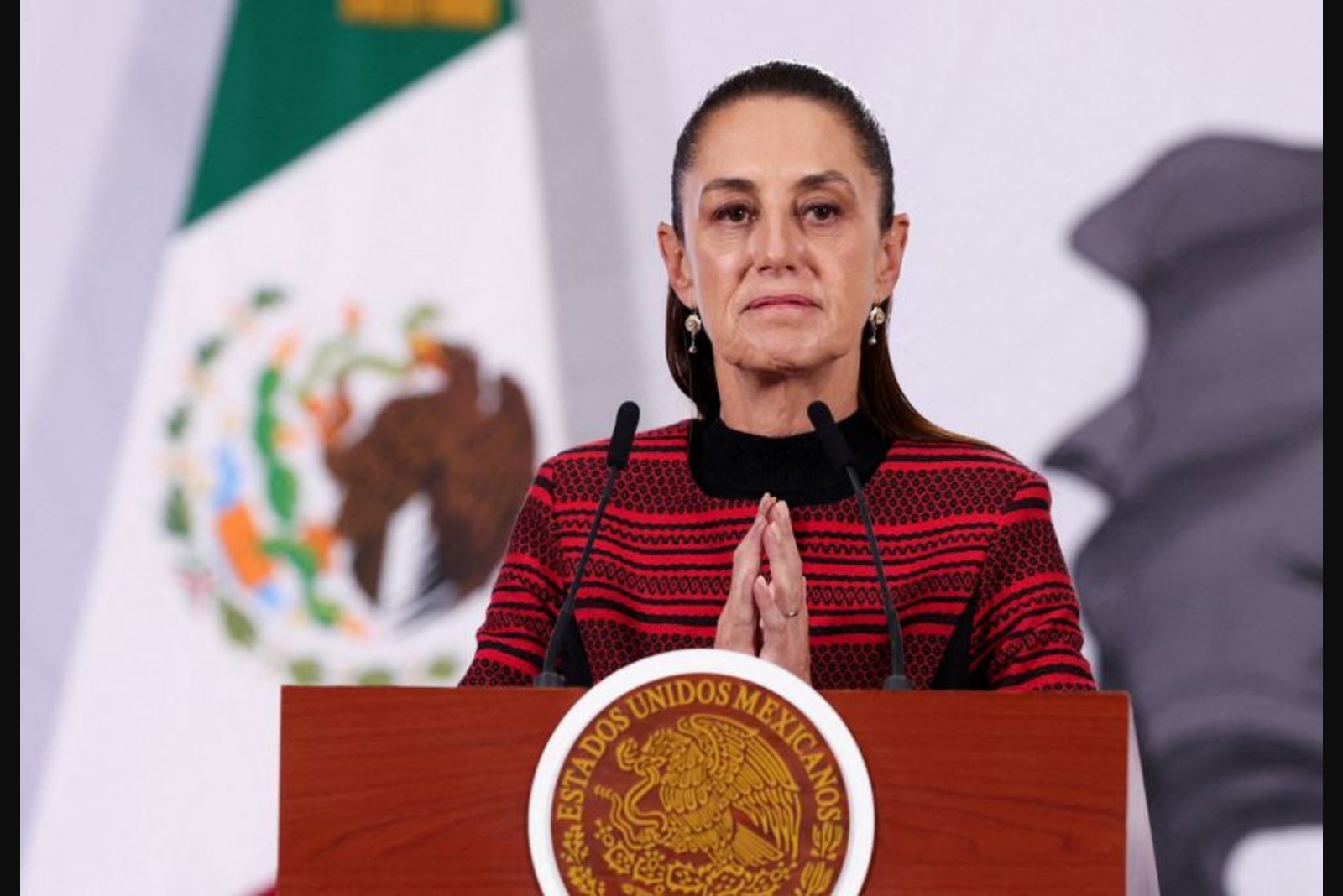
A U.S. indictment announced last week naming several Mexican politicians - including the sitting governor of Sinaloa - as allegedly linked to the Sinaloa Cartel has exposed a growing schism inside Morena, the party currently in power in Mexico. Publicly, President Claudia Sheinbaum has rejected what she terms U.S. interference and stated that the evidence Mexico has reviewed so far is insufficient to justify arrests or extraditions of the 10 current and former Mexican officials accused by the U.S. Department of Justice of colluding with the cartel to traffic drugs into the United States.
Privately, the case has set off a fierce debate within Morena along familiar internal fault lines, according to three senior party officials. Central to the disagreement is the political fate of Sinaloa Governor Rubén Rocha, who last Friday announced he would step aside temporarily while a local inquiry is under way. Rocha rejects the accusations.
Rocha represents the first high-profile, sitting Mexican politician to be accused by U.S. prosecutors of ties to drug trafficking - a departure from past cases in which allegations typically surfaced only after officials had left office. That distinction has amplified the stakes inside Morena and intensified disagreements over process, sovereignty and political survival.
One influential bloc in the party - closely tied to former President Andrés Manuel López Obrador, who founded the movement and remains a major influence - opposes any measure that could be read as yielding to U.S. pressure. That grouping is led, party figures say, by Supreme Court Justice Lenia Batres and her brother Martí, who oversees Mexico’s public-sector social security agency ISSSTE, and includes congressional leaders Ignacio Mier and Ricardo Monreal. Members of this faction argued against Rocha temporarily relinquishing his post, maintaining that he should remain in office until Mexico itself verifies the allegations - a process that officials acknowledge could be lengthy and uncertain.
Those opposed to quick action also view discussions of extradition as a breach of Mexican sovereignty. Rocha is identified within the party as a close, long-time ally of López Obrador, a factor that has strengthened resistance among that faction to moves perceived as capitulation to external judicial demands.
In opposition to that stance, a rising group of younger Morena leaders has coalesced around the party’s new national chief, Ariadna Montiel. This cohort, which often aligns more naturally with President Sheinbaum, sees the indictment as a moment to act against corruption inside Morena’s ranks. They argue the episode presents an opportunity to demonstrate a serious commitment to cleaning up governance even when investigations originate abroad.
Neither Morena as an institution nor the presidential office provided on-the-record comment when asked, party officials say. But the internal confrontation is viewed by both senior party figures and outside analysts as a potential turning point for Morena. Observers note that the outcome could affect the party’s cohesion and electoral strength.
"Behind closed doors, the fractures within the party are evident," said a senior Morena leader aligned with López Obrador, warning that the handling of the Rocha case will reverberate across the movement.
Morena’s current strength and the risks to it
Over roughly the past eight years, Morena has transformed into Mexico’s dominant political force. Combined with allied partners, the party now governs an estimated 75% of the country’s states, holds a commanding majority in both chambers of Congress, and administers nearly half of Mexico’s roughly 2,400 municipalities.
Despite that dominance, critics and opponents have long accused López Obrador’s administration of maintaining a conciliatory, even cozy, relationship with criminal networks. That context complicates Sheinbaum’s decision-making. She faces competing pressures: one side accuses her of betraying López Obrador if she appears to act on U.S. demands, while growing domestic frustration over corruption and alleged collusion with organized crime - particularly in regions battered by cartel violence like Sinaloa - means inaction or perceived cover-ups could damage her credibility and the party’s standing.
Political consultant Antonio Ocaranza, a former presidential spokesman, framed the dilemma bluntly: the situation places Sheinbaum in an uneasy spot where any move could carry considerable political cost. He warned that even if Mexico resists extradition, the president will likely face pressure to show tangible action against corruption within her administration. Ocaranza also noted that the number of officials potentially exposed to U.S. investigations appears substantial.
The internal debate over Rocha and the wider set of indictments has broader implications for Morena’s coalition-based supermajority in Congress, assembled with the Labor Party and the Green Party. Party unity is a linchpin of that legislative dominance; visible infighting or defections could weaken Morena’s hold on power and make the party more vulnerable at the ballot box.
For now, the standoff continues without a clear resolution. The competing factions remain entrenched: one prioritizes defending national sovereignty and loyalty to López Obrador’s political legacy, while the other pushes for accountability and institutional renewal, even at the risk of internal friction. How the party reconciles those positions will shape Morena’s immediate political trajectory and test Sheinbaum’s capacity to balance internal loyalties with public demands for transparency and the rule of law.