
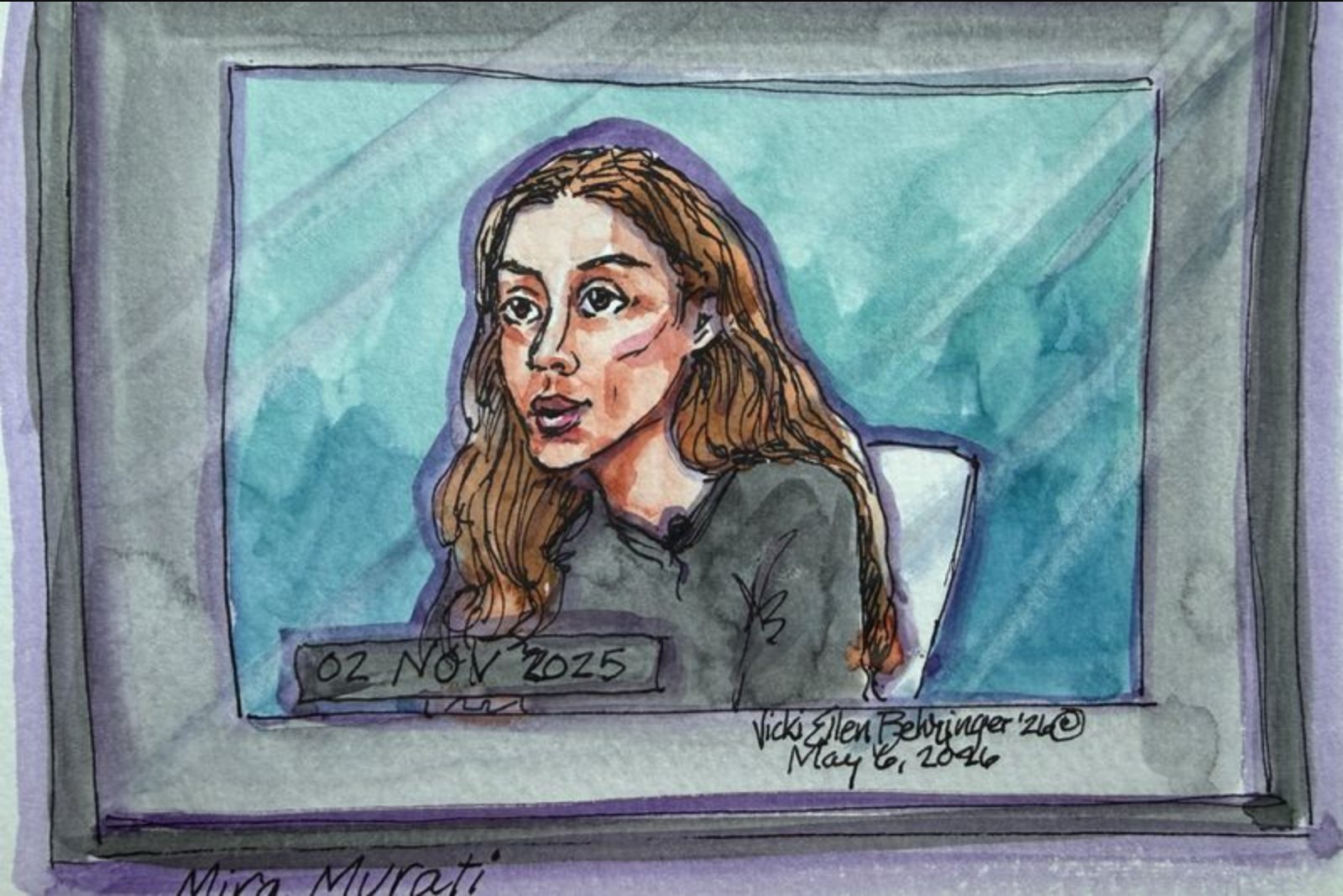
Mira Murati, who briefly served as OpenAI's chief executive after the board temporarily removed Sam Altman in November 2023, told a federal courtroom via recorded testimony that Altman fostered distrust at the top of the company and contributed to ongoing internal disorder as the organization pushed forward with the development and wide deployment of its AI systems.
In the testimony given in Oakland, California, Murati said she observed Altman telling different people different things, stating: "My concern was about Sam saying one thing to one person and completely the opposite to another person." She added that Altman's behavior amounted to "creating chaos" and that, on occasion, he was deceptive with her and other executives.
Murati testified that Altman had driven wedges between senior staff and undermined her role as technology chief. Even so, she said she wanted Altman to remain as CEO and sought a fuller explanation from board members about why they had removed him from the position. Murati said she believed OpenAI was at a severe risk of disintegration during the episode, telling the court, "OpenAI was at catastrophic risk of falling apart." She has since left OpenAI and co-founded a separate AI startup.
The testimony is part of a broader trial initiated by billionaire Elon Musk in 2024. Musk alleges OpenAI improperly shifted toward a for-profit structure, abandoned its charitable objectives, and should revert to operating as a nonprofit entity. As part of that suit, Musk is seeking $150 billion in damages to be paid by OpenAI and Microsoft, which is identified in court filings as an investor that could be liable.
Prosecuting counsel and witnesses over nearly two weeks have outlined a series of disputes among founders and senior executives over how to scale and sustain the company that developed ChatGPT. Witnesses called to the stand, including Musk and OpenAI President Greg Brockman, have detailed tensions over direction and leadership, and whether Musk, whose early funding was key to launching the group, ought to assume the chief executive role.
The court record has also revealed other unexpected details about pre-trial negotiations and personal sentiments. Among those disclosures were accounts that Musk attempted to reach a settlement with Brockman days before the trial began, and that Musk expressed at one point feeling "like a fool" for continuing to fund the organization.
The case has significance beyond the courtroom. Testimony and evidence could affect not only the corporate structure of OpenAI but also its capacity to commercialize advanced AI models and manage their deployment into public institutions, educational settings and corporate environments. The trial has, therefore, attracted attention for what it could mean for the company’s future governance and market role.
Murati's testimony underscored concerns about internal governance and the fragility of executive cohesion during a period of rapid technological development and commercialization. Several witnesses have painted a picture of discord and competing visions for the company, while legal filings press the question of whether the organization's mission and ownership structure were altered in ways that warrant judicial remedy.
Key takeaways
- Senior executive testimony describes internal conflict at OpenAI and accusations that the CEO conveyed contradictory messages to different leaders, creating mistrust and instability.
- Elon Musk's lawsuit alleges OpenAI abandoned its nonprofit mission and seeks $150 billion in damages from OpenAI and investor Microsoft, a claim that could materially affect the company’s commercial path.
- The trial has revealed contested leadership decisions and pre-trial settlement attempts, highlighting governance questions at the core of the dispute.
Sectors impacted - Technology, enterprise software, education, government procurement.
Risks and uncertainties
- Legal risk from the lawsuit - a successful claim could impose substantial financial liability on OpenAI and its investor Microsoft, affecting corporate finances and strategic plans (technology and investor sectors).
- Operational disruption from leadership and governance disputes - internal discord could impair product development and deployment timelines (AI and enterprise software sectors).
- Uncertainty over long-term organizational structure - questions about whether OpenAI remains aligned with its original charitable objectives could change its regulatory and partnership environment (public sector and educational adoption of AI).