
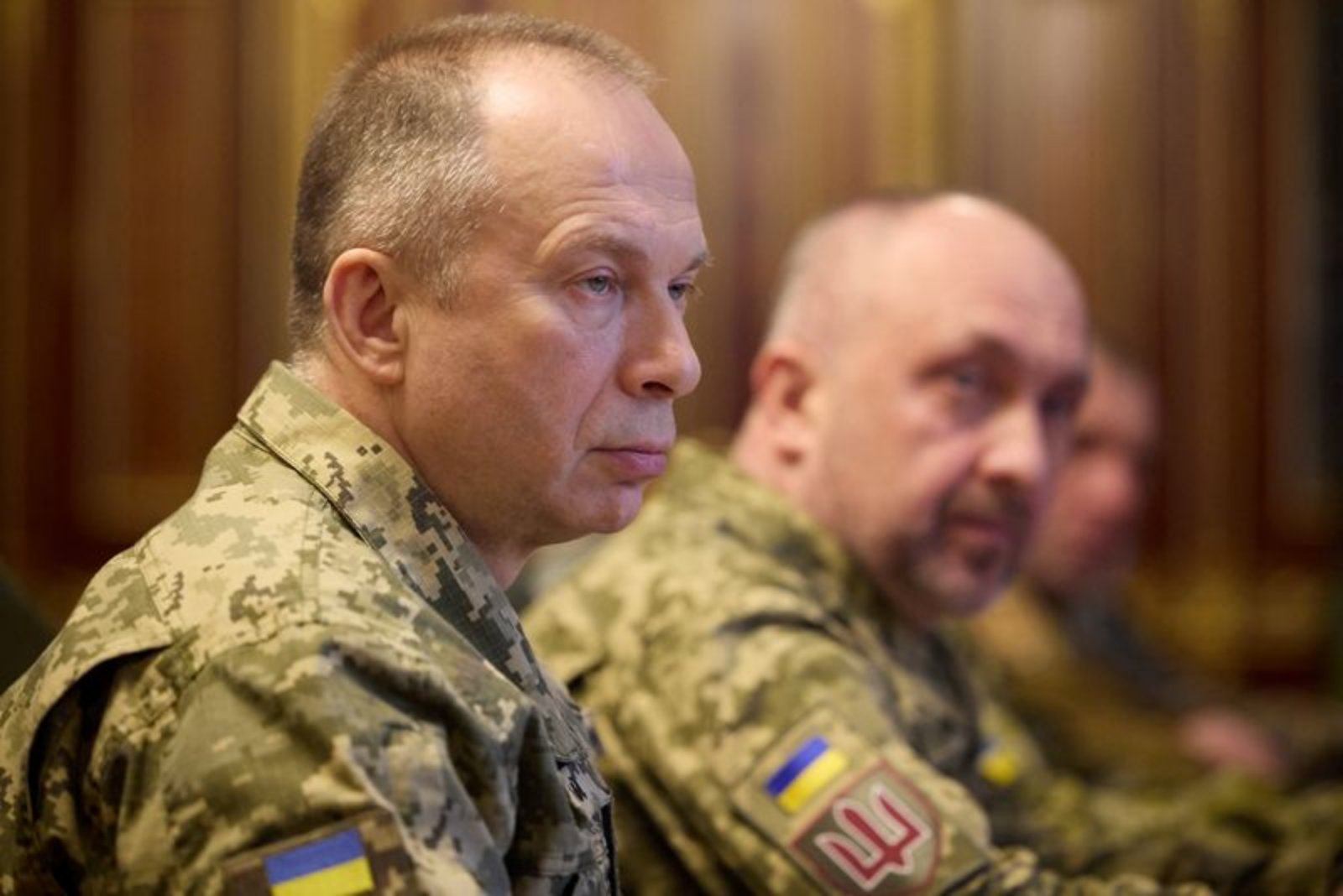
Ukraine's top military commander has enacted a directive that limits the time soldiers spend in forward positions to two months, followed by compulsory rotation within a month, a measure designed to address the strain on Kyiv's outmanned forces in the fifth year of the conflict with Russia.
In a formal statement, Oleksandr Syrskyi said that the growing role of uncrewed aerial systems has complicated supply and movement on the battlefield and "significantly transformed" how combat is conducted. He noted that the prevalence of drones - which experts say has created an extensive so-called "kill zone" - has made logistics more difficult and changed the nature of operations.
"Commanders must ensure that conditions are in place for service personnel to remain at their posts for up to two months, followed by a mandatory rotation, which must take place within one month," Syrskyi said. He framed timely rotation as both an organizational necessity and as critical to preserving the lives of soldiers and the stability of defensive positions.
The order also mandates routine medical evaluations for frontline personnel and requires prompt provision of food and ammunition to those serving in forward areas.
The announcement arrives days after relatives circulated images of severely underweight soldiers from Ukraine's 14th Separate Mechanized Brigade, pictures that generated widespread public anger. These images have added to longstanding concerns about the country's military manpower and the conditions faced by those who serve.
Ukraine has confronted a shortage of personnel for much of the conflict, with enthusiasm for enlistment waning amid reports of inadequate training and support, and allegations of heavy-handed conduct by draft officers. Commanders will now be required to factor the two-month limit and supporting logistical and medical measures into their planning, even as the military continues to hold ground against slow but steady Russian advances.
Clear summary
Ukraine's chief of staff has ordered that frontline troops serve no more than two months in forward positions, with rotations required within one month, along with mandatory medical checks and guaranteed delivery of food and ammunition. The policy responds to challenges from drone-dominated battlefields and public outrage over images of emaciated soldiers.
Key points
- The two-month deployment cap and one-month rotation window aim to reduce prolonged exposure of troops to combat.
- The directive responds to operational complications from the dominance of drones and to images showing poor troop condition, highlighting pressures on military logistics and personnel management.
- Sectors likely affected include defense and military logistics, as well as medical support and supply chains for frontline provisioning.
Risks and uncertainties
- Implementing mandatory rotations may prove difficult given Ukraine's persistent manpower shortage, creating uncertainty for force planning - impact on defense sector and recruitment.
- The difficulty of resupplying forward positions in environments shaped by drone threats raises risks to logistics and ammunition supply lines - impact on military logistics and defense procurement.
- Publicized cases of malnutrition and poor support could further depress enlistment and morale, complicating personnel retention and training efforts - impact on human resources and long-term force readiness.