
World April 30, 2026 09:59 AM

Trump Rebukes German Chancellor Merz, Urges Focus on Russia-Ukraine and Domestic Issues

President tells Merz to spend less time on Iran matter and more on ending the Ukraine conflict and addressing Germany's internal problems

By Jordan Park
Trump Rebukes German Chancellor Merz, Urges Focus on Russia-Ukraine and Domestic Issues

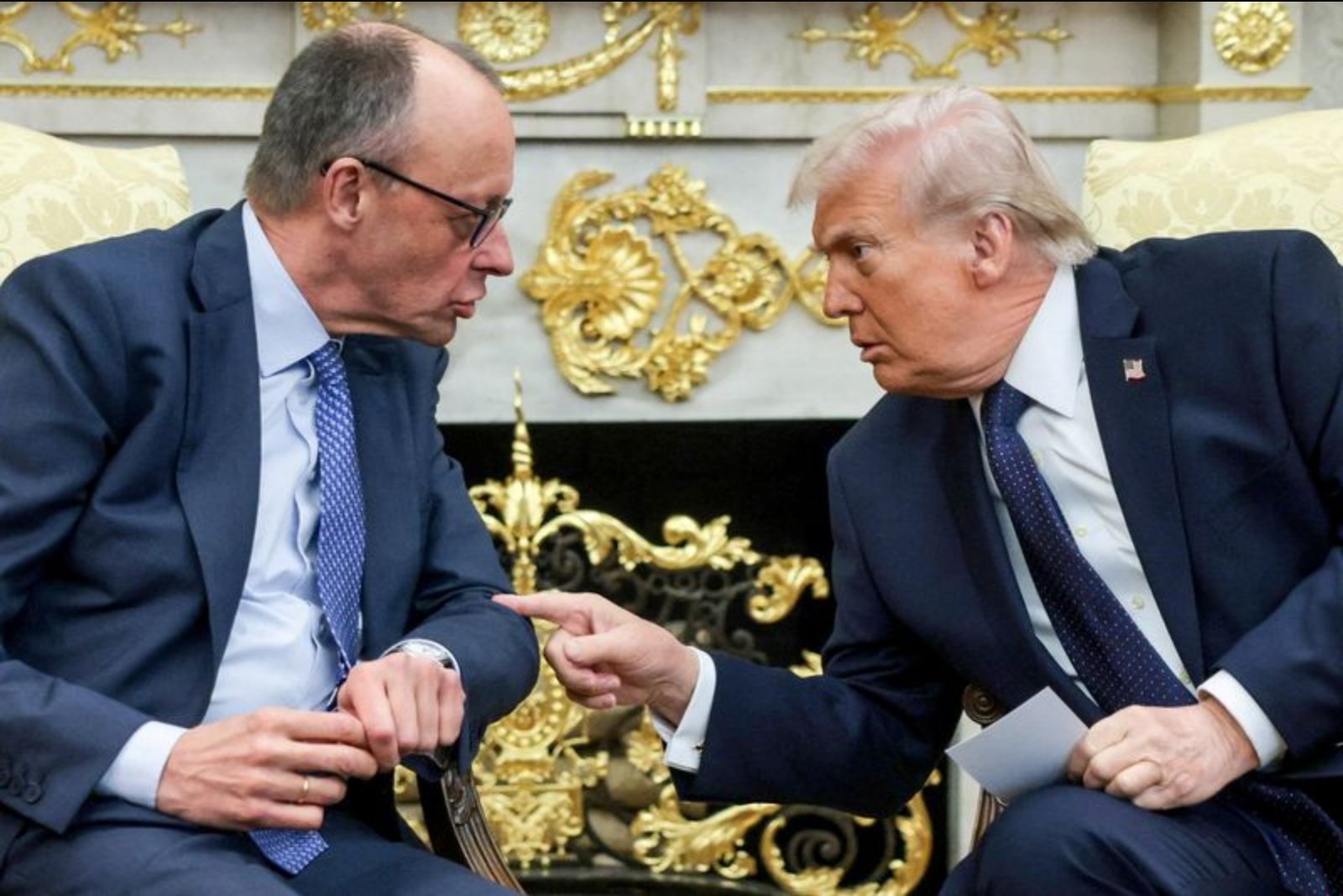
On April 30, President Donald Trump publicly criticized German Chancellor Friedrich Merz, saying Merz should concentrate on trying to end the Russia-Ukraine war and address domestic challenges rather than intervening in efforts to confront the Iran nuclear threat. The comments followed a recent exchange in which Trump said Merz did not know what he was talking about after the German leader accused Iran of humiliating the United States in talks linked to a two-month-old war.

Key Points

  • President Trump publicly criticized German Chancellor Friedrich Merz and urged him to prioritize ending the Russia-Ukraine war and addressing Germany's domestic issues such as immigration and energy.
  • Trump posted his comments on Truth Social, explicitly telling Merz to spend less time intervening in efforts tied to the Iran nuclear threat.
  • The remarks followed an earlier exchange in which Trump said Merz did not know what he was talking about after Merz said Iranians were humiliating the U.S. in talks to end the two-month-old war; sectors impacted could include defense, energy, and diplomacy-related markets.

April 30 - U.S. President Donald Trump criticized German Chancellor Friedrich Merz on Thursday, urging the German leader to focus his efforts on ending the Russia-Ukraine war and on domestic policy challenges rather than intervening in matters related to Iran.

Trump's remarks appeared amid a brief public spat between the two leaders over how to handle developments linked to Iran. The president referenced a pattern of recent exchanges and directed particular attention to what he described as Merz's limited effectiveness on the Russia-Ukraine conflict.

In a post on Truth Social, Trump wrote directly to the German chancellor, listing areas where he said Merz should concentrate his energy and criticizing what he framed as interference on the Iran issue. His post said:

"The Chancellor of Germany should spend more time on ending the war with Russia/Ukraine (Where he has been totally ineffective!), and fixing his broken Country, especially Immigration and Energy, and less time on interfering with those that are getting rid of the Iran Nuclear threat, thereby making the World, including Germany, a safer place!"

The exchange followed comments earlier in the week in which Trump said Merz did not know what he was talking about. That remark was made after Merz had said the Iranians were humiliating the U.S. in talks tied to ending the two-month-old war.


Observers will note the dispute centers on divergent public statements about diplomatic engagement with Iran and differing assessments of the German chancellor's role on the Russia-Ukraine front. The public nature of the criticism underscores ongoing tensions in transatlantic communication on these security issues.

Beyond the direct criticisms, Trump highlighted what he described as internal problems in Germany, urging Merz to address immigration and energy concerns as part of the priorities he recommended the chancellor pursue.

The situation remains confined to the recent public statements exchanged by the two leaders, with the president using a social media post to convey his position and to call for a reorientation of Merz's focus toward Ukraine and domestic affairs.

Risks

  • Escalation of public tensions between U.S. and German leaders could complicate diplomatic coordination on security matters - potential impact on defense and geopolitical risk-sensitive markets.
  • Continued public disagreement over handling of Iran may inject uncertainty into international negotiations tied to the Iran nuclear issue - potential impact on energy markets and regional security assessments.
  • Persistent criticism of Germany's domestic policy handling could draw political attention away from cooperative foreign policy efforts - potential effect on investor sentiment toward European energy and immigration-linked policy areas.

More from World

Met Gala Draws High-Profile Arrivals as Protesters Target Bezos Sponsorship May 4, 2026 Three Die After Small Plane Crashes Into Residential Building in Belo Horizonte May 4, 2026 Quarantine at Sea: Passengers Stranded as Suspected Hantavirus Claims Three Lives aboard M/V Hondius May 4, 2026 U.S. Intelligence Sees No Material Change in Iran’s Nuclear Timeline Despite Recent Campaign May 4, 2026 Judge Criticizes Jail Conditions for Man Accused in Trump Gala Shooting Attempt May 4, 2026