
President Donald Trump on Wednesday pushed Iran to "get smart soon" and agree to a deal, using a post on his social platform to underscore his demand that Tehran refrain from developing nuclear weapons. The message came after days of stalled negotiations to end the conflict and following a media report that said U.S. officials were preparing for a prolonged blockade of Iran's ports.
In his post, the president accused Iran of failing to coordinate a response and warned it to move quickly, writing that "They don’t know how to sign a nonnuclear deal. They’d better get smart soon!" He did not provide details of what a nonnuclear deal would require.
The media report cited U.S. officials as saying the president had instructed aides to ready an extended blockade of Iranian ports as part of an effort to force Tehran to capitulate. According to those accounts, the president chose to keep tightening economic and oil-export pressure through the blockade because other options - resuming bombing or abandoning efforts to force a settlement - were judged to carry greater risks.
Iran, for its part, has consistently sought some form of U.S. acknowledgement of its right to enrich uranium for what it says are peaceful, civilian uses. The country currently holds roughly 440 kilograms (970 pounds) of uranium enriched to 60% purity, a quantity that, if further enriched, could be used for several nuclear weapons.
Iranian officials said on Tuesday that the country could withstand the blockade because it is employing alternative trade routes, and they asserted that the Islamic Republic did not consider the war to be over. The conflict has already resulted in thousands of deaths, significant disruption to global energy markets, and interruptions to shipping lanes.
Negotiation impasse and the sequencing of demands
The most recent Iranian offer to resolve the two-month war, which has been on hold since April 8 under a ceasefire arrangement, proposed postponing discussion of Tehran’s nuclear programme until the conflict was formally ended and shipping problems were resolved. That approach conflicted with the president’s insistence that the nuclear issue be addressed from the outset, leaving the parties at an impasse.
U.S. intelligence agencies, at the request of senior administration officials, are analysing how Iran might react should the president declare a unilateral victory in the conflict, two U.S. officials and a person familiar with the matter said. Those internal assessments reflect concern in Washington about potential Iranian responses to a sudden political move.
Maritime chokepoint and the evolving blockade
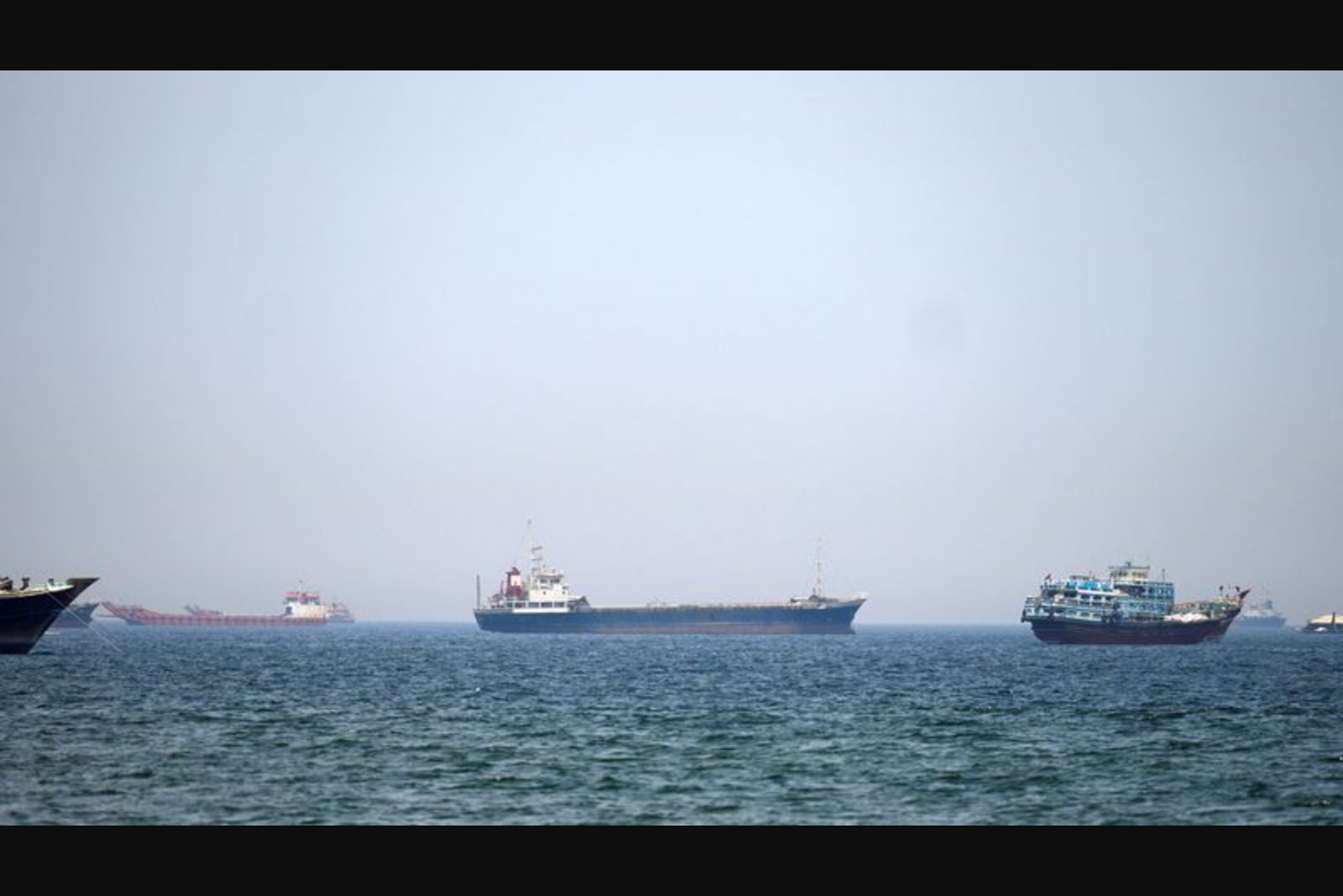
Since the war began on February 28, Tehran has largely prevented all shipping except its own from passing through the Gulf via the Strait of Hormuz, a key chokepoint for global energy flows. This month, U.S. forces began blockading Iranian ships, tightening control over maritime movement in the area.
The potential extension of a blockade raises the prospect of prolonged disruption to oil and shipping markets and has already affected market sentiment. Oil prices rose nearly 3% on Wednesday as traders reacted to the possibility of longer-term supply constraints, with Brent crude reaching a one-month high.
Economic forecasters have signalled the scale of possible energy market impacts. One multilateral financial institution projected a steep rise in energy prices next year if the most acute disruptions caused by the Iran war end in May, estimating a 24% increase in 2026 to levels not seen since the significant energy market shock several years earlier. That projection depends on the duration and severity of disruptions tied to the conflict.
Political shifts in Tehran and regional dynamics
Analysts and Iranian officials report that the deaths of several senior Iranian political and military figures in recent strikes have fragmented Tehran’s traditional hierarchy. The killing of Ayatollah Ali Khamenei on the first day of the war and the elevation of his wounded son, Mojtaba, to the position of supreme leader reportedly shifted influence toward hardline commanders of the Islamic Revolutionary Guard Corps. Those developments may be hardening Iran’s negotiating posture, officials and analysts say.
Hopes for a swift resolution diminished further after the administration cancelled a planned diplomatic visit by its special envoy and a principal adviser to a proposed mediator. In the meantime, Iran’s foreign minister made two visits to the mediator country over the weekend, indicating continued back-channel engagement despite public stalemate.
Domestic political pressures and public opinion
The president faces mounting domestic pressure to bring the war to a close. A recent national poll showed his approval rating at 34%, down from 36% in a prior survey, reflecting public unease over the economic consequences of the conflict and dissatisfaction with the handling of the war and the rising cost of living.
In his social post, the president also shared a stylised image of himself wearing dark glasses and holding a machine gun, captioned "No more Mr. Nice Guy." The post underscored the use of public messaging to project resolve as diplomatic avenues remain uncertain.
Economic and market consequences
Traders and market participants are monitoring the blockade and diplomatic developments closely. Sustained constraints on Iran’s oil exports and continued interference with shipping through the Strait of Hormuz could maintain upward pressure on energy prices and heighten volatility in global trade flows. Sectors most directly affected include energy producers and refiners, shipping and logistics firms, and downstream industries sensitive to fuel costs.
At the same time, Iran’s ability to redirect trade through alternative routes, as officials claim, is a variable in how deeply markets will feel the effects of a prolonged blockade. The evolving balance between economic pressure, military risk and diplomatic channels will shape outcomes in the weeks ahead.