
WASHINGTON/DUBAI, April 29 - President Donald Trump held discussions with executives from U.S. oil companies about strategies to limit the economic fallout of a naval blockade of Iran’s ports if it were sustained for months, a White House official said on Wednesday. The meeting followed an impasse in efforts to end the conflict that has pushed the United States toward tightening its control over Iranian oil exports in hopes of forcing Tehran to restore shipping access through the Strait of Hormuz.
In a social media post on Truth Social prior to details of the meeting being released, Mr. Trump urged Iran to "get smart soon" and said Tehran "couldn’t get its act together," while characterizing the need for a deal on nuclear issues. The post included a composed image of the president wearing dark glasses and holding a machinegun with the caption "No more Mr. Nice Guy."
According to the White House official, the president and the oil executives reviewed "the steps President Trump has taken to alleviate global oil markets and steps we could take to continue the current blockade for months if needed and minimize impact on American consumers." That phrasing indicates an explicit objective to blunt consumer-facing consequences domestically even as policymakers contemplate an extended squeeze on Iran’s export capabilities.
Markets reacted swiftly to the prospect of a prolonged blockade. Oil prices climbed more than 6% on Wednesday, with the Brent benchmark reaching a one-month high on concern that extended restrictions on Iran-linked shipping would further tighten global supplies.
The conflict has already imposed a financial burden on the U.S. military. A senior Pentagon official provided the first official estimate of the cost of the war to date, saying it has reached $25 billion. At the same time, Iran has warned it will continue to disrupt traffic through the Strait of Hormuz as long as it perceives threats, a posture that raises the risk of further interruptions to Middle East oil shipments.
Tehran’s response and internal messaging
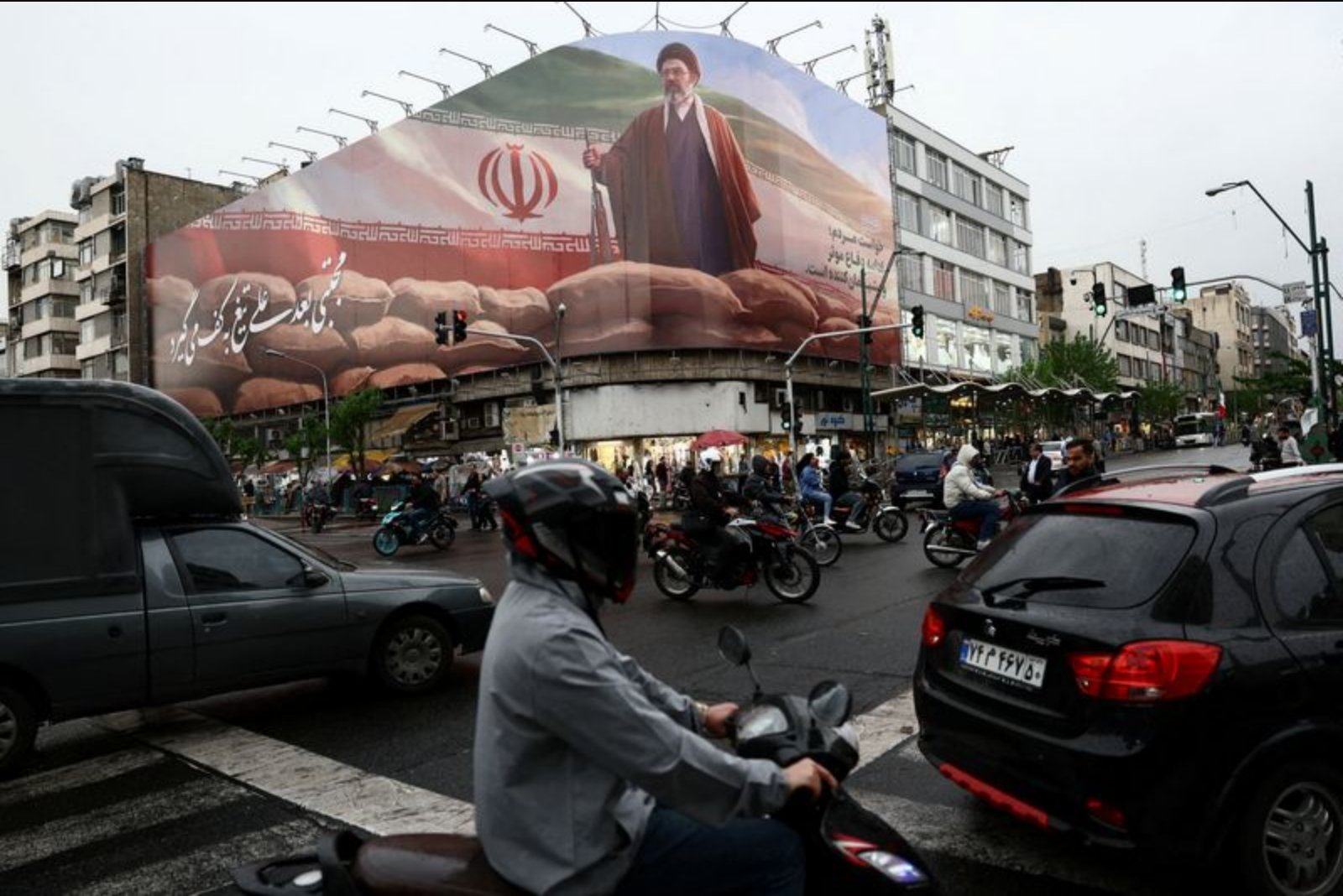
Iran signaled a hardening stance on Wednesday, warning of "unprecedented military action" if U.S. blockading of Iran-linked vessels continued. Tehran also has framed the economic pressure as intended to force political concession. Mohammad Baqer Qalibaf, Iran’s parliament speaker and lead negotiator, accused the U.S. of attempting to divide Iranians and compel surrender through the blockade, urging unity as the only remedy.
Domestically, Iran’s economy is showing signs of severe stress. The rial slid to a record low of 1,810,000 to the U.S. dollar on Wednesday, according to the Iranian Students’ News Agency, as demand for foreign currency built up during six weeks of fighting and moved into the open market. ISNA reported that the rial fell nearly 15% over the prior two days. The central bank said inflation for the month from March 20 to April 20 was 65.8%, a rate that is likely to be worsened by the currency’s rapid depreciation.
Stalled negotiations over sequencing of issues
Iran has proposed pausing discussion of its nuclear program until the conflict is formally ended and shipping concerns are resolved; that offer, suspended since April 8 under a ceasefire agreement, seeks to separate the two topics. The U.S. position, as reflected in the meeting and Mr. Trump’s public remarks, remains that the nuclear issue should be addressed at the outset, and the two sides are at odds over sequencing.
Mr. Trump has stated publicly that Iran cannot be allowed to obtain a nuclear weapon, while Tehran maintains that its nuclear activities are peaceful. The White House meeting and the president’s social media messaging highlighted the administration’s resolve to press Iran on the nuclear question.
Separately, U.S. intelligence agencies are studying potential Iranian responses if President Trump were to declare a unilateral victory, at the request of senior administration officials, according to U.S. officials cited by those familiar with the matter. Those analyses are part of broader contingency planning as tensions persist.
Operational posture and leadership shifts in Iran
Since the U.S. and Israel began airstrikes on Iran on February 28, Tehran has largely halted all traffic through the Strait of Hormuz except its own. The U.S. began a blockade of Iranian ships this month in response. The strait remains a strategic chokepoint for global energy supplies, and the restricted movement through it has direct implications for oil flows.
Iran’s political leadership has also been altered by recent strikes that removed several senior clerical, political and military figures, including Supreme Leader Ayatollah Ali Khamenei, from positions of undisputed authority. The elevation of Khamenei’s wounded son, Mojtaba, to a higher leadership role has, according to Iranian officials and analysts cited in reporting, shifted influence toward hardline commanders within the Islamic Revolutionary Guard Corps.
Domestic U.S. political pressure and public sentiment
At home, President Trump faces mounting political pressure to conclude the conflict, which he has offered varying rationales for to a U.S. public contending with rising gasoline costs. A Reuters/Ipsos poll showed his approval rating fell to 34%, down from 36% in an earlier survey, the lowest level of his current term. The decline reflects public unease with the conflict and its economic consequences.
Defense Secretary Pete Hegseth defended the U.S. campaign in forceful testimony to Congress, arguing that the engagement is not a quagmire and criticizing Democratic lawmakers for their critiques, calling them "feckless."
What the administration is weighing
The meeting with oil industry leaders underscores the administration’s balancing act: pressing Iran economically and militarily while attempting to shield American consumers from the brunt of rising energy costs. The White House official’s description of the discussions emphasized both continued pressure on Iran through naval blockade options and steps to "minimize impact on American consumers," language that recognizes the domestic political risks of rising fuel prices.
At the same time, Tehran’s threats to escalate and its actions to restrict international shipping reinforce the precariousness of global energy supplies. Market reactions have already reflected that tension, and the reported military expenditure adds to the tally of economic costs associated with prolonged hostilities.
Note: This article synthesizes official statements, market moves and public remarks to outline the evolving policy debate and economic effects tied to a potential months-long blockade of Iranian ports.