
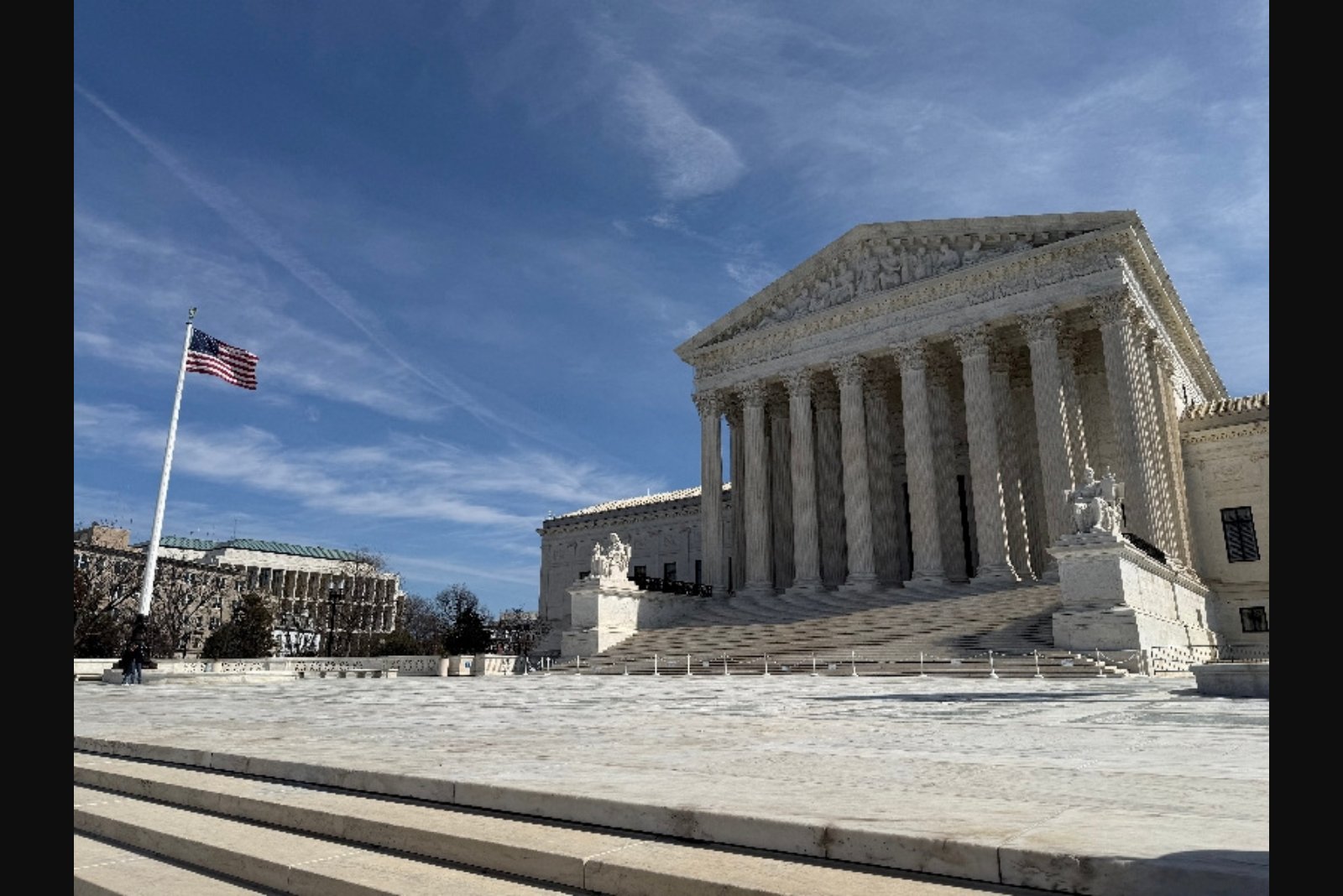
WASHINGTON, April 29 - The U.S. Supreme Court on Wednesday handed a procedural victory to First Choice Women’s Resource Centers, a network of Christian faith-based anti-abortion facilities, by reviving the group's federal lawsuit that seeks to block a New Jersey attorney general's subpoena.
The unanimous decision returns to life a challenge to a 2023 subpoena issued by New Jersey Attorney General Matthew Platkin. The subpoena requests internal records from First Choice, including the names of doctors associated with the centers and lists of donors, as part of a state consumer-protection investigation into whether the facilities engaged in deceptive practices by leading donors or potential clients to believe they provided abortions or other reproductive healthcare services.
First Choice, which operates five locations in New Jersey and aims to discourage women from obtaining abortions, had sought to prevent enforcement of the subpoena by filing a federal lawsuit arguing that the request chilled its First Amendment rights to freedom of speech and association. The organization also said some donors reconsidered contributions after the subpoena was issued.
The Supreme Court's action did not address the underlying question of whether the pregnancy centers actually acted deceptively. Instead, the high court considered whether First Choice had the legal standing to raise constitutional objections to the subpoena in federal court now, or whether the group must continue litigating the matter in state court before pursuing federal constitutional claims.
Federal litigation over the subpoena began days before First Choice was due to produce the requested records in 2023, when the group sued Platkin in New Jersey federal court. U.S. District Judge Michael Shipp dismissed the complaint, concluding the federal claims were premature because First Choice could pursue its constitutional arguments in the state-court proceedings and faced no immediate threat of contempt for failing to comply with the subpoena.
The Philadelphia-based 3rd U.S. Circuit Court of Appeals affirmed Judge Shipp's dismissal in a 2-1 ruling in 2024. That appellate decision prompted First Choice to appeal to the Supreme Court, which heard oral arguments in December.
In state court, officials moved to enforce the subpoena after the federal lawsuit was filed. A state judge in 2024 declined to quash the subpoena at that time, instead ordering both sides to negotiate a narrower scope for the records request and leaving open the prospect that constitutional issues could be litigated later.
The subpoena is part of a state inquiry into whether First Choice misled donors and potential clients about the services it provides, which, according to the state's consumer-protection theory, may have included creating a false impression that abortions and other reproductive services were available. New Jersey's investigation followed public guidance from Platkin's office advising consumers that crisis pregnancy centers do not provide abortions and that such centers "may also provide false or misleading information about abortion."
The Supreme Court, which in 2022 overturned the Roe v. Wade decision that had legalized abortion nationwide, issued its unanimous procedural ruling while leaving the factual and legal merits of New Jersey's consumer-protection inquiry to be decided elsewhere. The high court's decision restores First Choice's ability to press its constitutional claims in federal court, rather than being confined to the state-court forum.
First Choice was represented before the courts by the Alliance Defending Freedom, a conservative legal organization that has taken on other cases on behalf of anti-abortion entities. The Trump administration backed First Choice in its legal effort.
The constitutional issues raised by the subpoena and by First Choice's challenge remain to be resolved. The Supreme Court's order does not determine whether the centers engaged in deceptive conduct under New Jersey law, nor does it address any potential penalties or enforcement outcomes. Instead, the ruling determines where and when the centers may proceed with constitutional claims about the subpoena's reach.
Context and next steps
With the federal suit revived, the procedural posture of the litigation has shifted, allowing First Choice to pursue its First Amendment arguments in federal court. State-court judges previously signaled that constitutional questions about the subpoena could be addressed in the future, and the parties were directed to negotiate a narrower subpoena in 2024. How those negotiations and any subsequent litigation unfold will shape whether the records sought are narrowed, produced, or blocked by constitutional protections.