
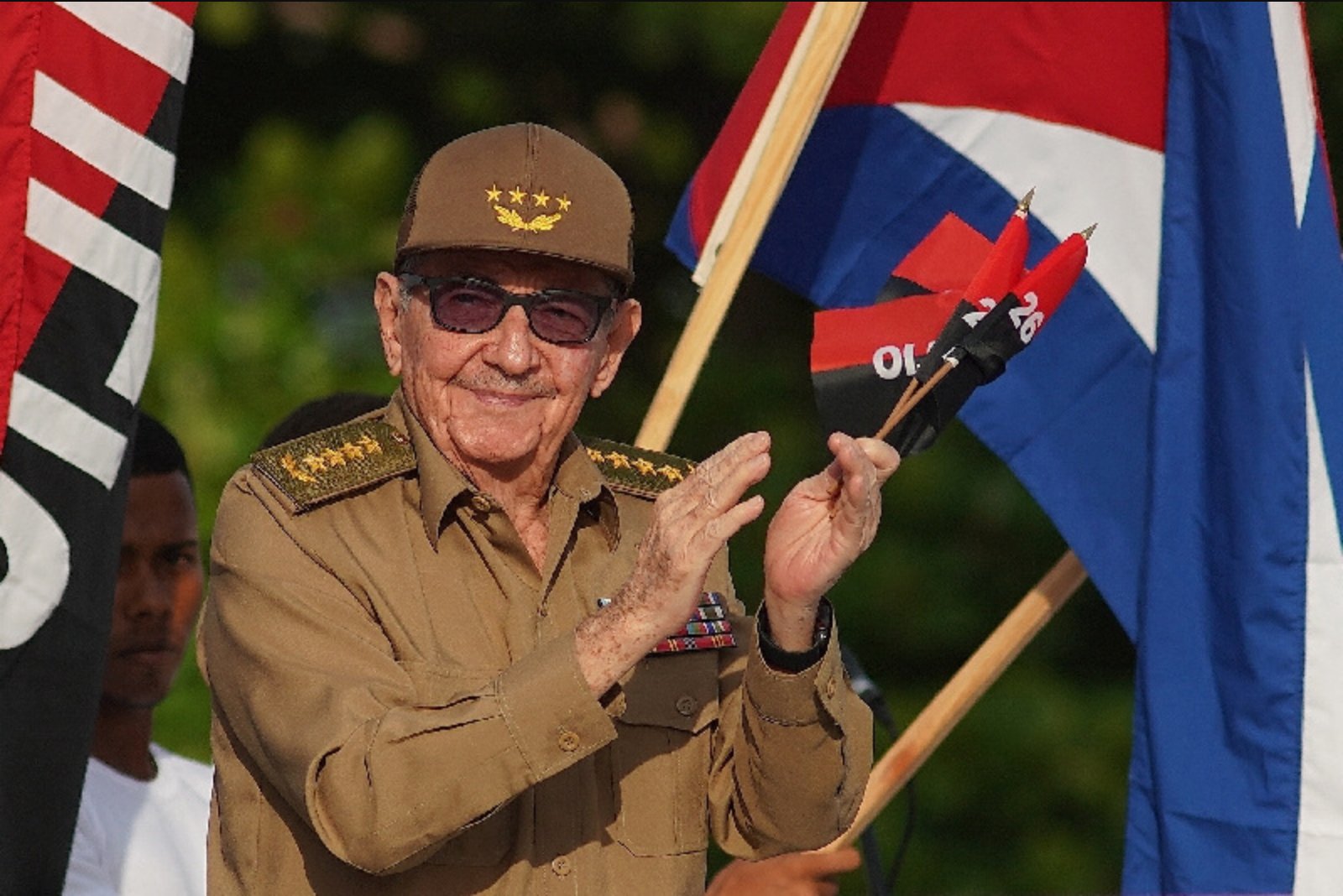
May 15 - Raul Castro, aged 94 and the brother of revolutionary leader Fidel Castro, has been identified as a potential target of a United States indictment tied to the 1996 shootdown of aircraft flown by the humanitarian organization Brothers to the Rescue.
Castro is widely regarded as one of the foundational figures in Cuba’s communist government. Born in 1931, he was a central participant alongside his elder brother Fidel in the 1959 guerrilla campaign that overthrew the U.S.-backed regime of Fulgencio Batista and set the island on a communist trajectory.
Over decades, Raul Castro held key military and defense responsibilities. He served as defense minister under Fidel for many years, consolidating a strong power base within the armed forces and across state institutions. His military record as described includes helping to repel the U.S.-organized Bay of Pigs invasion in 1961 and managing Cuba’s overseas military interventions, with Africa noted as a particular focus of those operations.
The path to national leadership for Raul Castro accelerated when Fidel fell ill in 2006. Castro took on the role of acting president before being formally named president in 2008. After Fidel’s death in 2016, Raul Castro continued to be the dominant political figure in Cuba, contrary to expectations that Fidel’s absence might destabilize the communist government.
Raul Castro remained president until 2018. Upon stepping down from the presidency, he kept the honorific rank of "army general" and has maintained significant influence across the Communist Party, the armed forces and the state apparatus. Observers note that President Miguel Diaz-Canel frequently consults Castro on major decisions, underscoring Castro’s continued role as a senior power broker within the system.
In December 2025, Castro publicly proposed postponing the Communist Party congress that was expected to select Diaz-Canel’s successor, attributing the delay to what he described as a deep economic crisis facing the country. The party’s Central Committee voted unanimously to approve the postponement.
Castro’s public appearances have grown rarer. His most recent noted appearance was on May 1, during International Workers’ Day events. Dressed in military uniform, he marched with President Diaz-Canel and other officials but appeared fatigued and at one point had to sit down abruptly during the ceremony.
The combination of a possible U.S. indictment related to the 1996 shootdown, an advanced age that is increasingly visible in public settings, and his continued role as an influential figure within Cuba’s leadership frame the current profile of Raul Castro. He remains a central unifying presence for those loyal to the 1959 revolution and a continuing influence on the island’s political course.