
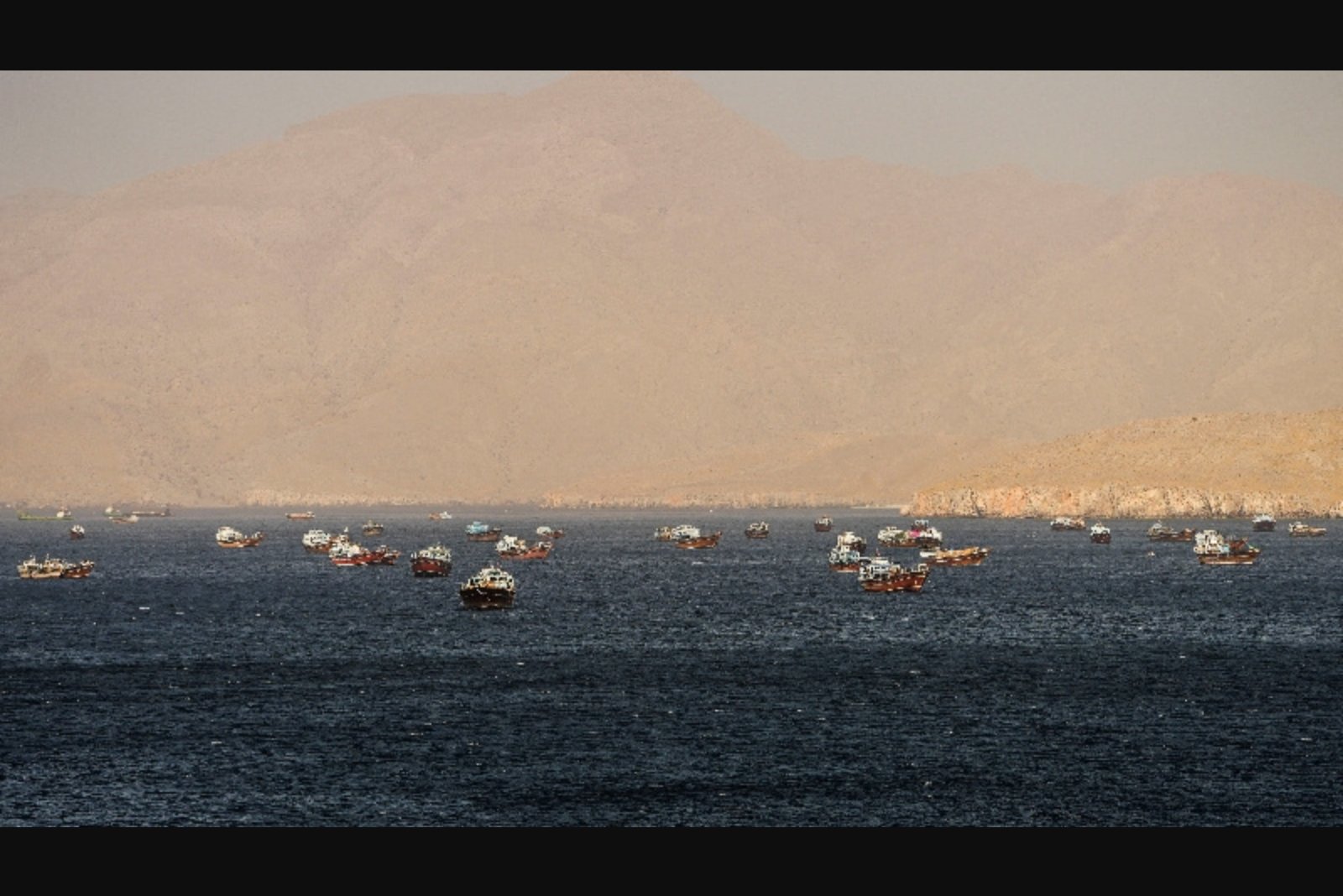
May 15 - China’s permanent representative to the United Nations voiced firm opposition on Friday to a proposed resolution co-sponsored by the United States and Bahrain concerning incidents in the Strait of Hormuz. The draft seeks to require Iran to cease attacks and the laying of mines in the waterway, but the Chinese envoy said both the content and the timing of the proposal were inappropriate and that adopting it now would not be productive.
In an impromptu interview shared by the Pass Blue portal, China’s U.N. ambassador Fu Gong was asked about the resolution and replied: "We don’t think the content is right, and the timing is not right. What we need is to urge both sides to engage in serious and good-faith negotiations that can resolve the issue. So passing a resolution at this stage, we don’t think is going to be helpful."
Fu added that, as the current president of the 15-member Security Council, China would not put the measure to a vote if the decision were left to Beijing. Diplomats have indicated the draft is likely to face vetoes from both Russia and China should it reach a formal vote. Both Moscow and Beijing used their veto power last month to block a similar U.S.-backed resolution, arguing at the time that it was biased against Iran.
China’s mission to the U.N. clarified that while the council president has the administrative responsibility to arrange a vote if the drafters of a resolution request one, no such formal request had been made so far. The U.S. mission to the United Nations did not immediately provide a response to requests for comment on the developments.
Fu’s comments came after a two-day summit between U.S. President Donald Trump and Chinese leader Xi Jinping concluded on Friday. According to a White House account of the summit, the two leaders agreed that the Strait of Hormuz must remain open and that Xi made clear China opposed any militarization of the waterway or attempts to impose a toll for its use. Xi himself did not make a public comment on the specific resolution, but China’s foreign ministry has expressed frustration with the broader conflict involving Iran, stating: "This conflict, which should never have happened, has no reason to continue."
The draft resolution’s focus on stopping attacks and mining in the strait, combined with China’s stated position against moving the measure forward at this stage, leaves its prospects uncertain. With previous U.N. action last month blocked by vetoes, the path to any binding Security Council action appears constrained unless supporters of the measure can secure broader agreement among council members.
Context and next steps
The debate over the draft resolution underscores a division among Security Council members about how to respond to security incidents in the Strait of Hormuz. China’s call for negotiations and its role as council president mean procedural decisions about advancing the text will hinge on whether its drafters formally request a vote and whether the council can close ranks.