
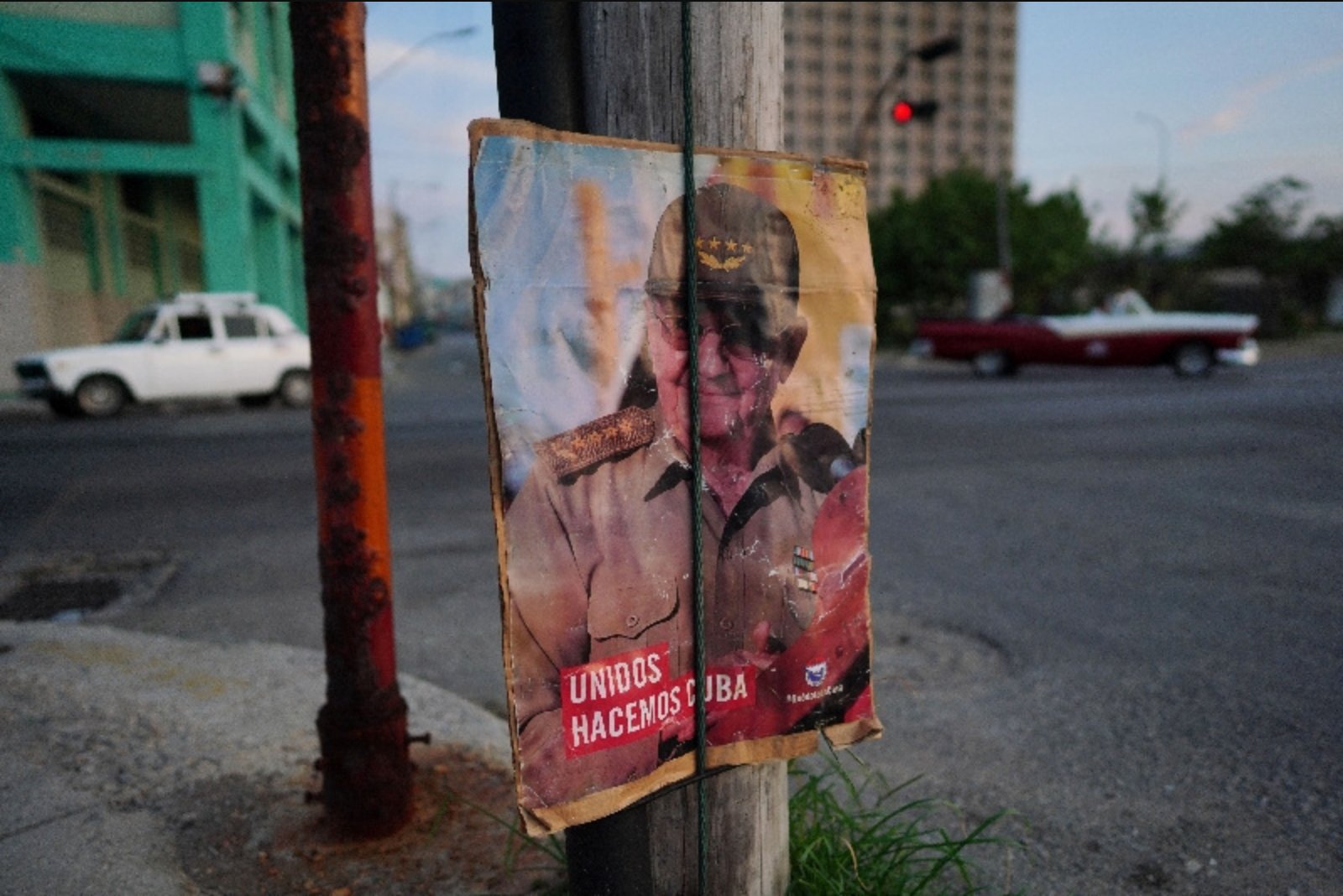
On May 15, a U.S. Justice Department official speaking on condition of anonymity said the Trump administration plans to announce criminal charges related to a 1996 episode in which Cuban military jets shot down two small aircraft. The attack, which resulted in four fatalities, has long been a point of contention between Havana and Washington.
Below are the established facts about the event and the immediate aftermath, as presented by U.S. officials and Cuban authorities, along with the documented responses that followed.
The incident
On February 24, 1996, two small planes operated by Brothers to the Rescue were shot down by Cuban military jets. All four people aboard the two aircraft were killed. Cuba maintained that the planes had entered Cuban airspace. U.S. authorities contended the shootdown took place over international waters. The International Civil Aviation Organization later supported the U.S. interpretation, concluding the attack occurred over international waters.
About Brothers to the Rescue
The Miami-based group described its purpose as searching the Florida Straits for rafters fleeing Cuba. Members of the group regularly flew missions close to the Cuban coast. In early 1996 Cuban officials accused Brothers to the Rescue of dropping tens of thousands of leaflets over Havana. The group’s leader, Jose Basulto, said the leaflets were released while the planes were over international airspace and were carried into Cuba by the wind. Records show, however, that members of the group had flown over Havana in recent months to distribute literature.
Cuba’s public stance and internal claims
At the time, Fidel Castro said he had issued general orders to halt the flights but insisted he did not specifically instruct the military to fire on the aircraft. He said the military acted under "standing orders." Fidel Castro also said Raul Castro, who then ran the country’s security apparatus as defense minister, did not issue a specific command to shoot the planes.
A former Brothers to the Rescue member, Juan Pablo Roque, later appeared on Cuban television claiming the group had flown into Cuban airspace to collect intelligence in preparation for a possible attack and that it intended to smuggle weapons into Cuba. U.S. officials dismissed Roque’s assertions as propaganda and said he was likely acting as a Cuban agent.
U.S. government response at the time
President Bill Clinton responded by ordering a set of sanctions. Measures included suspending charter flights to Cuba, restricting the movement of Cuban diplomats in the United States, and seeking Congressional cooperation on tightening the U.S. embargo. The Clinton administration did not pursue criminal charges against Fidel or Raul Castro. In 2003, the U.S. Department of Justice filed charges against three Cuban military officers in connection with the shootdown, but those individuals were never extradited to the United States.
Summary
The planned charges flagged by U.S. officials relate directly to the February 24, 1996 shooting down of two small planes flown by Brothers to the Rescue. The incident killed four people and has been disputed by Cuba and the United States, with an international aviation body siding with the U.S. conclusion that the attack occurred over international waters. The episode prompted U.S. sanctions, official denials of specific orders to shoot, disputed testimony from a former group member, and criminal filings in 2003 that did not result in extradition.
Key points
- U.S. officials say the Trump administration intends to announce criminal charges tied to the 1996 shootdown, based on information from a Justice Department source speaking anonymously.
- The shootdown of the two small planes on February 24, 1996, resulted in four deaths; jurisdiction over the location of the incident is contested between Cuba and the United States, with the International Civil Aviation Organization backing the U.S. position that it occurred over international waters.
- The U.S. response in 1996 included sanctions that affected charter flights and diplomatic movement and sought tighter enforcement of the embargo; criminal charges filed in 2003 against military officers were not resolved through extradition.
Risks and uncertainties
- Disputed facts about the incident’s location - Cuba claims Cuban airspace while the U.S. and the International Civil Aviation Organization say it occurred over international waters - create legal and diplomatic ambiguity. Sectors affected: aviation and diplomatic relations.
- Conflicting accounts over whether specific orders were given - Cuban leaders said only general orders existed and that no specific shootdown order was issued, while a former group member alleged hostile intent by the pilots - leave unresolved questions that complicate legal proceedings. Sectors affected: defense and legal systems.
- Past attempts to prosecute associated military officers failed to secure extradition, illustrating a risk that new charges may not lead to custody or trial if extradition is not achieved. Sectors affected: international law and diplomatic negotiations.